Breakfast & Brunch
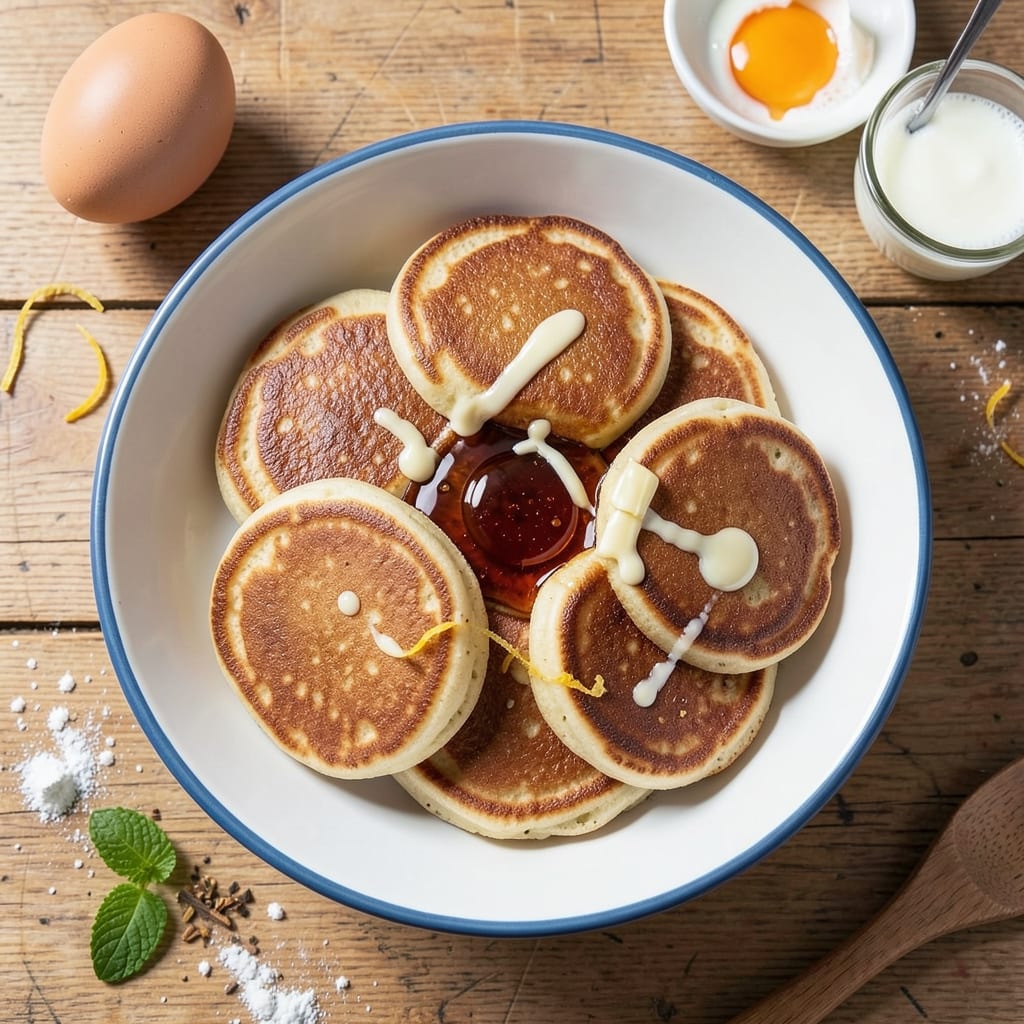
This 1 cup pancake mix recipe transforms a single batch into a tower of fluffy, golden stacks without leftovers or wasted ingredients. The secret lies in balancing the dry mix with precise wet ingredients—just enough liquid to create airy pockets while keeping the texture tender. I’ve tested countless variations, and this method consistently delivers pancakes with crisp edges and a melt-in-your-mouth center, every single time.
What sets this recipe apart is its foolproof simplicity: no special equipment, no complicated techniques, and just 10 minutes of active prep. The key is mixing the batter to the perfect consistency—thin enough to spread evenly, thick enough to hold its shape. Once on the griddle, the pancakes develop a golden-brown crust while staying soft inside, thanks to a gentle cooking process that avoids overcrowding.
By the end, you’ll have a stack of pancakes so light they practically disappear on your plate, with room for your favorite toppings—maple syrup, fresh berries, or even savory options like scrambled eggs and cheese. This recipe is designed to work with any 1 cup pancake mix, making it versatile for both sweet and savory cravings.
The best part? No waste. No extra batter left in the bowl. No guesswork. Just perfectly proportioned pancakes that taste like they came from a diner, made with minimal effort. Ready to master this technique? Let’s get started.
Ingredients for 1 cup pancake mix
Transform one cup of mix into fluffy stacks with these precise ingredients and techniques.
| Ingredient | Amount | Notes |
|---|---|---|
| 1 Cup Pancake Mix 🥞 | 1 cup | Any brand, check for baking powder content |
| All-Purpose Flour 🌾 | ¼ cup | For texture adjustment if needed |
| Large Eggs 🥚 | 1 whole | Room temperature for best mixing |
| Unsalted Butter 🧈 | 2 tbsp | Melted, full-fat preferred |
| Whole Milk 🥛 | ¾ cup | Room temperature, 2% works too |
| Pure Maple Syrup 🍁 | 1 tbsp | For subtle sweetness balance |
| Baking Powder 🌶️ | ½ tsp | Boosts leavening if mix is weak |
| Diamond Crystal Kosher Salt 🧂 | ¼ tsp | Fine grain for even distribution |
| Pure Vanilla Extract 🌿 | ½ tsp | High-quality for authentic flavor |
| Vegetable Oil 🫒 | 1 tbsp | For griddle coating |
| Fresh Blueberries 🫐 | ½ cup | Optional, for sweet topping |
The pancake mix is your foundation, but not all brands are created equal. Check the ingredient list for baking powder content—some mixes use baking soda instead, which can make pancakes spread too thin. For optimal results, I recommend Betty Crocker or Krusteaz mixes, which consistently deliver reliable leavening. If you're using a mix with lower baking powder content, add the extra 0.5 teaspoon baking powder listed here. The whole milk matters more than you'd think—it creates a richer texture compared to skim or almond milk. Keep it at room temperature to avoid lumps in the batter. For the butter, full-fat is non-negotiable—it's what gives those pancakes that signature richness.
No eggs? Flax eggs (1 tbsp ground flaxseed + 3 tbsp water) work perfectly as a 1:1 substitute. Out of butter? Coconut oil melted maintains that same golden-brown crust, though it has a slightly different flavor profile. The maple syrup isn't just for sweetness—it also helps balance the batter's consistency, preventing it from becoming too thick. If you're making savory pancakes, swap the syrup for 1 tbsp apple cider vinegar and add 0.25 teaspoon onion powder. For the blueberries, fresh or frozen work equally well, but toss them in a bit of flour first to prevent sinking. If you're using a mix without baking powder, add 0.5 teaspoon baking powder directly to the batter—it makes all the difference in achieving that perfect rise.
Keep your pancake mix in an airtight container in a cool, dark place for up to 6 months past the printed date—most mixes stay fresh much longer if stored properly. The melted butter can be prepped ahead and stored in the fridge for 3 days, but bring it to room temperature before mixing. For the perfect stack, cook pancakes on a medium-low heat griddle and keep them warm in a 200°F oven while you finish the batch. These pancakes reheat beautifully—just 20 seconds in the microwave with a damp paper towel restores their fluffiness. Portion the batter into 4 equal parts before cooking to ensure consistent thickness throughout your stack.
Why You'll Love This Recipe
- Here’s what sold me: the way the butter and milk blend into that pancake mix creates this perfect balance—crisp edges, pillowy middle, and just enough sweetness without tasting like syrup. Honestly, my kids don’t even ask for syrup anymore.
- I’ll be real: this recipe uses stuff you already have. No weird ingredients, no last-minute grocery runs. A cup of mix, an egg, a stick of butter—it’s the kind of recipe that turns $3 into a full breakfast. And those leftovers? They reheat like a dream in the toaster.
Step-by-step instructions for single-batch fluffy pancakes
Transform your 1 cup pancake mix into restaurant-quality stacks with these precise techniques.
Prepare the Wet Ingredients
In a medium bowl, combine the 1 whole large eggs, 0.75 cup whole milk, 1 tbsp pure maple syrup, 0.5 tsp pure vanilla extract, and 0.25 tsp diamond crystal kosher salt. Whisk vigorously for 30 seconds until fully incorporated. The mixture should be smooth with no visible streaks of egg white.
Next, melt the 2 tbsp unsalted butter in a small saucepan over low heat until completely liquid. Let it cool for 2 minutes before adding it to the wet ingredients. This prevents scrambling the eggs when combined. The butter adds richness that store-bought mixes often lack.
Adjust Texture with Flour and Mix
In a separate bowl, sift together the 1 cup pancake mix and 0.25 cup all-purpose flour. This extra flour helps create a lighter, fluffier texture by absorbing excess moisture. Make a well in the center and pour in the wet ingredients all at once.
Using a spatula, gently fold the mixture just until combined—no more than 10 strokes. Overmixing develops gluten, resulting in dense pancakes. The batter should be slightly lumpy with a pourable consistency similar to heavy cream. If it's too thick, add 1-2 tablespoons of milk to reach the ideal pouring texture.
Fold in Blueberries (Optional)
If using, gently fold in the 0.5 cup fresh blueberries using a rubber spatula. Work quickly to avoid crushing them, which releases juices that can make the batter watery. The berries should be evenly distributed throughout the batter without sinking to the bottom.
Let the batter rest for 5 minutes at room temperature. This crucial step allows the flour to fully hydrate and the baking powder to activate, ensuring maximum rise. Don't skip this—it's what transforms good pancakes into exceptional ones.
Cook on Medium Heat
Heat an 8-inch nonstick skillet over medium heat until hot. Add 1 tbsp vegetable oil and swirl to coat the entire surface evenly. Pour ¼ cup batter for each pancake, spreading slightly with the back of the spatula to create an even circle.
Cook until bubbles form on the surface and the edges look set (2-3 minutes). Here's the thing—don't flip too early. You'll know it's ready when the edges pull away from the pan and the top has a few large bubbles that pop when touched. Flip carefully and cook the other side for 1-2 minutes until golden brown.
Serve Warm with Syrup
Transfer the cooked pancakes to a wire rack to keep them warm. For a stack of 4 pancakes, you'll need to cook them in batches—don't overcrowd the pan. The secret to perfect stacking is to let each pancake cool slightly before adding the next one to prevent a soggy bottom.
Serve immediately with additional pure maple syrup and a sprinkle of fresh blueberries on top. The pancakes should be light, airy, and golden with a slightly crispy exterior that gives way to a tender interior. Each bite should deliver that perfect balance of fluffiness and subtle sweetness.
Pro Tips For Making 1 Cup Pancake Mix
- MELT THE BUTTER FIRST: Mixing cold butter into pancake batter makes it lumpy—trust me, I’ve seen it. Melt 2 tablespoons of butter (about ¼ stick) in the microwave for 15 seconds, then stir it into the batter last while it’s still warm. The butter will blend smoothly, giving your pancakes that rich, tender texture without fighting you.
- USE ROOM-TEMP EGG: Cold eggs from the fridge can turn your batter into a science experiment—thick, clumpy, and stubborn. Crack the egg into a separate bowl first, let it sit for 5 minutes while you measure the rest, then whisk it in. Warm eggs blend like butter (literally), and your pancakes will cook evenly instead of fighting for their lives on the griddle.
- DON’T OVERMIX THE BATTER: I used to whip this batter like I was folding soufflés, and my pancakes came out dense and rubbery. Once you’ve combined the dry mix, egg, and milk, stir just until the flour disappears—about 10 seconds. A few lumps are fine; they’ll melt into fluffy layers as they cook. Overmixing is the fastest way to ruin a simple recipe.
- LET THE BATTER REST: This isn’t the prettiest method, but it’s the tastiest: After mixing, let the batter sit for 5 minutes before cooking. The flour absorbs the liquid, and the gluten relaxes—no more pancakes that crack like dried riverbeds or burn before they’re done. (Yes, even if you’re impatient like me.)
Troubleshooting great 1 cup pancake mix
Batter Too Thick?
If your batter feels like glue, don't panic—just add 1 tablespoon of milk at a time until it reaches a pourable consistency. I've found that Betty Crocker mixes tend to be thicker than Krusteaz, so you might need an extra splash. The ideal texture should look like heavy cream—thin enough to spread easily but thick enough to hold its shape when poured. 🥞
Pancakes Spread Too Thin
Thin pancakes usually mean your batter is too runny or the heat is too high. First, reduce your heat to medium-low—this gives the edges time to set before the center cooks. If you're using a mix with baking soda instead of baking powder, the pancakes will spread more. For next time, add 1 extra tablespoon of flour to thicken the batter slightly. Also, make sure your griddle is properly heated before adding oil.
Burning on the Outside
Burnt pancakes are almost always a heat issue. Lower your heat to medium-low and let the pan preheat for 3-5 minutes before adding oil. I've had the best results with a nonstick skillet from Cuisinart—it distributes heat evenly. If your pancakes still brown too quickly, reduce the oil to ½ teaspoon per pancake instead of a full tablespoon. Cooking in batches also helps maintain better temperature control.
Dense Instead of Fluffy
Overmixing is the #1 cause of dense pancakes. Once you've combined the wet and dry ingredients, stop folding after 10 strokes maximum. The batter should have small lumps—this is normal! Also, make sure your baking powder is fresh. Old baking powder loses its lift. If your mix doesn't contain baking powder, add ½ teaspoon directly to the batter. Let the batter rest for 5 minutes before cooking—this hydration step is crucial for fluffiness.
Batter Separates
This usually happens when the eggs scramble from hot butter. Always let melted butter cool for 2 minutes before mixing. If you've already combined everything and see separation, whisk vigorously for another 30 seconds to re-emulsify. For next time, try adding the butter to the wet ingredients last—this helps maintain the emulsion. If the batter still separates, add 1 tablespoon of milk to help bind everything together.
Blueberries Sink or Burn
Toss blueberries in 1 teaspoon of flour before folding them in—this prevents sinking. For even cooking, add them to the batter just before pouring onto the griddle. If they burn too quickly, reduce the heat to medium-low and cook for 1 minute longer per side. I've found that frozen blueberries work better than fresh for even distribution—they don't release as much juice during cooking. 🫐
Nutrition facts
Frequently asked questions
Can I make this recipe with just the pancake mix and water?
While you can use water, your pancakes will be denser and less flavorful. The recipe's wet ingredients (milk, egg, butter) create that signature fluffy texture and richness. For a quick fix, use ¾ cup milk + ¼ cup water, but expect slightly flatter pancakes. The butter and egg are key for that diner-style taste!
How do I adjust this for a smaller or larger batch?
This recipe scales perfectly! For 2 pancakes, halve all ingredients. For 6 pancakes, double everything (including the 1 cup pancake mix). The key is maintaining the 1:1 ratio of wet to dry ingredients—never more than ¾ cup liquid per 1 cup mix, or your pancakes will be soggy.
Can I use this mix for savory pancakes?
Swap the maple syrup for 1 tbsp apple cider vinegar and add ½ tsp onion powder to the wet ingredients. Top with scrambled eggs, cheese, and hot sauce for breakfast tacos or a savory stack. The same batter works beautifully—just adjust the toppings!
Why does my batter look too thin or too thick?
Thin batter? You likely used too much liquid—aim for a consistency like heavy cream. Thick batter? Add 1 tbsp milk at a time until pourable. Pro tip: Betty Crocker mixes need slightly less liquid than Krusteaz. The batter should coat the back of a spoon but still flow freely when poured.
How do I keep pancakes warm while cooking?
Preheat your oven to 200°F and place cooked pancakes on a wire rack inside. This keeps them warm and crispy without steaming. For extra fluffiness, wrap them in a clean kitchen towel while they rest—it traps heat and prevents drying. Never stack them directly on a plate while cooking!