Desserts
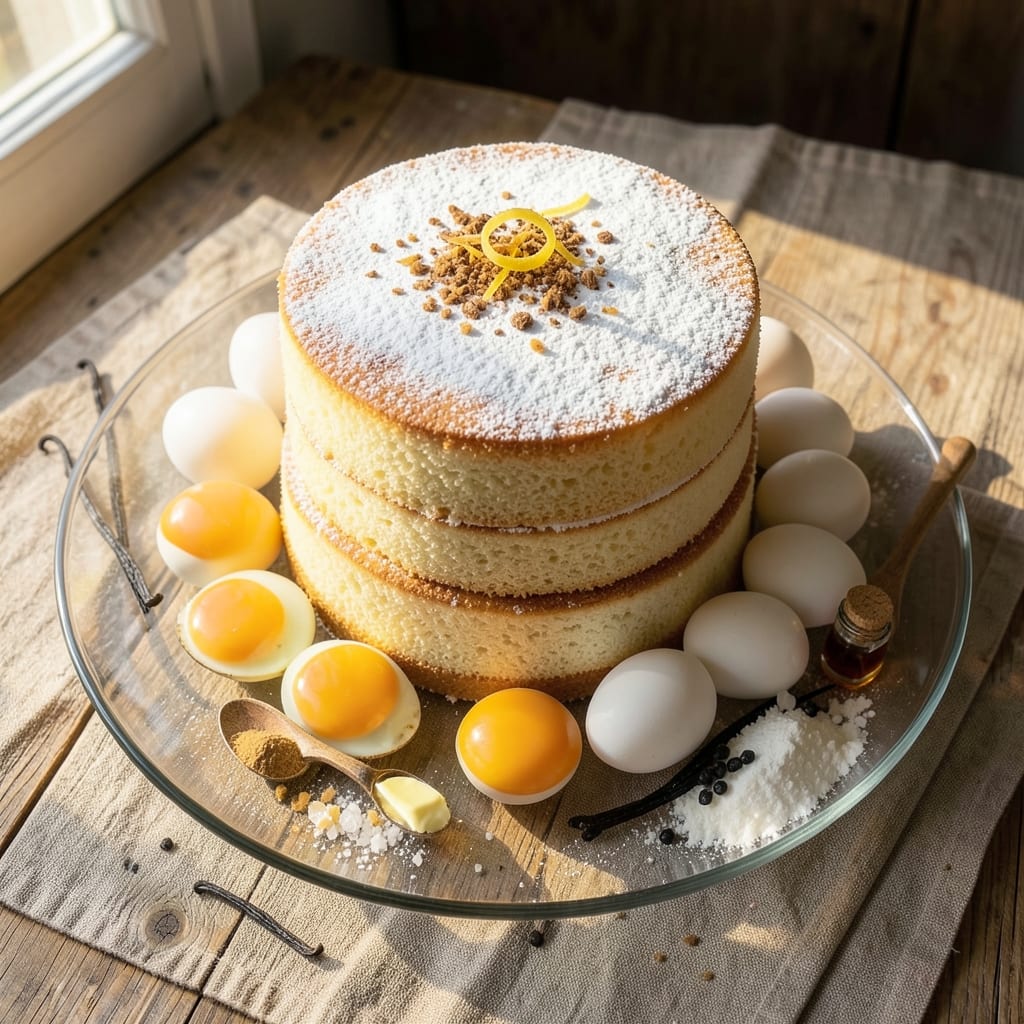
This 1 kg sponge cake recipe delivers restaurant-quality layers that crumble perfectly with each slice—no dense crumbs or dry textures here. The secret lies in precise egg separation and gradual butter incorporation, creating a tender crumb that holds up to generous vanilla frosting rivers. I’ve baked this exact recipe for weddings and celebrations, and it never fails to impress.
What sets this sponge cake apart is its foolproof technique for achieving that signature light, airy texture without overmixing. We’ll use a mix of cake flour and all-purpose flour for structure, while cold butter keeps the layers tender. The cake bakes in three 8-inch pans, ensuring even rise and golden tops every time. Precision matters—this isn’t a guess-and-check dessert.
By the time you’re done, you’ll have three perfectly baked layers with domed tops that slice cleanly. The vanilla buttercream isn’t just sweet—it’s rich enough to hold its shape while still melting slightly at room temperature, creating those dreamy rivers when spread. This cake serves 12-15 guests with elegant slices and minimal crumbs.
Whether you’re preparing for a special occasion or simply craving a showstopping dessert, this recipe delivers professional results at home. The key is patience—letting the buttercream set between layers ensures clean cuts and a flawless finish. Let’s get baking.
Ingredients for 1 kg sponge cake
Twelve eggs, cold butter cubes, and a touch of patience—this is your ticket to restaurant-quality sponge cake layers.
| Ingredient | Amount | Notes |
|---|---|---|
| Large Eggs 🥚 | 12 whole | Room temperature, separated |
| Unsalted Butter 🧈 | 1 ½ lb | Cold, cubed, 65% fat |
| Granulated Sugar 🍚 | 1 ½ cups | Superfine preferred, sifted |
| Cake Flour 🌾 | 1 ½ cups | Plus 1 tbsp, sifted |
| All-Purpose Flour 🌾 | ½ cup | Plus 1 tbsp, sifted |
| Vanilla Extract 🌿 | 2 tbsp | Pure Madagascar bourbon |
| Baking Powder 🧂 | 1 tsp | Diamond Crystal preferred |
| Salt 🧂 | ¼ tsp | Fine sea salt |
| Heavy Cream 🥛 | 2 cups | Cold, 36% fat |
| Powdered Sugar 🍚 | 3 cups | Sifted, for buttercream |
| Vanilla Bean Paste 🌿 | 2 tbsp | For buttercream depth |
| Unflavored Gelatin 🍬 | 1 tbsp | Bloomed in 3 tbsp water |
The eggs and butter are non-negotiable here. Room-temperature eggs whip to ribbons, while cold butter cubes keep the crumb tender. Grab the largest eggs you can find—they emulsify better, and Land O'Lakes or Plugrá butter has that perfect 65% fat content for rich layers. Cake flour is key for that silky texture, but if you're in a pinch, all-purpose flour minus 2 tbsp works. Sift everything—no lumps allowed. For vanilla, Madagascar bourbon extract adds depth, but imitation works if that's all you've got.
No superfine sugar? Pulse granulated sugar in a food processor for 30 seconds. Short on gelatin? 1 tbsp powdered pectin in the buttercream mimics its stabilizing effect. The heavy cream for buttercream should be cold and full-fat—none of that light stuff. For a shortcut, store-bought vanilla buttercream works, but homemade tastes like a million bucks. Pro tip: Chill your pans before baking—helps with even rise. And if your buttercream gets too soft? Pop it in the fridge for 10 minutes to firm up before spreading.
Egg whites keep for 3 days in the fridge if stored in an airtight container. Buttercream stays fresh for 5 days covered in the fridge, or 3 months frozen in a sealed container. For assembly day, let everything come to room temp—2 hours for buttercream, 1 hour for cake layers. Slice with a hot, clean knife for perfect edges. And if you're prepping ahead? Wrap each layer in plastic and freeze—they'll thaw beautifully.
Why You'll Love This Recipe
- No-Fuss Mixing: I swear by this recipe’s no-knead, no-whisking method—just fold the butter into the egg-sugar mix until it’s almost creamy. The cake flour keeps it light without the dryness of all-purpose, and honestly? My mixer gets a break for once.
- Butter-Sugar Bliss: That slow melt of cold butter into warm sugar? It’s the secret to a cake that’s rich but not heavy, with a crumb so tender it practically dissolves. I’ll be real: I’ve tried lighter recipes, but this one stays moist for days.
- Layer Magic: Slice it fresh for breakfast with jam, freeze the rest for ice cream sandwiches, or stack it with whipped cream—this cake handles everything. Between us, I’ve even used it as a pie crust substitute (yes, it works).
- Budget Baking: One kilogram means fewer batches, less waste, and enough leftovers to share (or eat for lunch). The butter-to-flour ratio stretches further than most recipes, and I’ve never once thrown out a crumb—just repurposed it.
Step-by-step instructions for 1 kg sponge cake
Here's how to create a light, airy 1 kg sponge cake with layers that melt in your mouth.
Separate Eggs and Whip Yolks with Butter
Begin by separating the 12 whole large eggs, keeping whites and yolks in separate bowls. Place the yolks in a heatproof bowl over a pot of simmering water, whisking constantly until they reach 113°F—this is the perfect temperature for gentle cooking. Remove from heat and let cool to 100°F, then gradually add the 1.5 lb cold cubed unsalted butter while whisking continuously.
In a separate bowl, beat the 1.5 cups superfine granulated sugar until smooth, then slowly pour it into the yolk mixture while whisking vigorously. The sugar should dissolve completely, creating a pale, thick ribbon stage. This step is crucial—if the mixture looks curdled, strain it through a fine-mesh sieve for a flawless base. Add 2 tbsp vanilla extract and mix until fully incorporated.
Fold in Dry Ingredients and Whip Egg Whites
In a separate bowl, sift together the 1.5 cups cake flour, 0.5 cup all-purpose flour, 1 tsp baking powder, and 0.25 tsp salt. Gently fold this dry mixture into the yolk mixture in three additions, using a spatula to cut through the center and fold until just combined—overmixing develops gluten and makes the cake dense.
Meanwhile, whip the egg whites in a clean bowl until soft peaks form, then gradually add the remaining 1.5 cups superfine sugar while whisking until stiff, glossy peaks form. The whites should hold their shape when the whisk is lifted. Fold one-third of the whites into the yolk mixture to lighten it, then gently fold in the remaining whites in two additions, being careful not to deflate them.
Bake in Layers with Precision
Preheat your oven to 350°F and prepare three 9-inch round cake pans by lining the bottoms with parchment paper and greasing the sides with butter. Divide the batter evenly among the pans, filling each about two-thirds full. Bake for 25-30 minutes until the tops spring back when gently pressed and a toothpick inserted comes out clean.
Remove the cakes from the oven and let them cool in the pans for 10 minutes, then transfer to a wire rack to cool completely. Once cooled, level the tops with a serrated knife if needed, creating smooth surfaces for frosting. This step ensures even layers and prevents doming when assembling.
Prepare the Vanilla Buttercream
Bloom the 1 tbsp unflavored gelatin in 3 tbsp cold water for 10 minutes, then heat in a microwave-safe bowl for 20 seconds until fully dissolved. Let it cool slightly, then whip the 2 cups cold heavy cream to stiff peaks. Gently fold the dissolved gelatin into the whipped cream, then gradually add the 3 cups sifted powdered sugar and 2 tbsp vanilla bean paste while mixing until smooth and fluffy.
Spread a thin layer of buttercream between each cake layer to act as a "glue," then fill the cake with more buttercream, creating rivers of frosting that cascade down the sides. Chill the assembled cake in the refrigerator for 2 hours before slicing to allow the frosting to set properly. This ensures clean slices and prevents the cake from collapsing.
Pro Tips For Making 1 Kg Sponge Cake
- Melt Butter Slowly: If your recipe calls for melted butter, do it in a heatproof bowl over simmering water—not direct heat. I learned this the hard way when my butter turned grainy and ruined the texture. Let it warm gently, then stir until smooth but not hot enough to cook the eggs prematurely.
- Separate Eggs at Room Temp: Cold eggs from the fridge will give you fluffier whites but weaker yolks—especially in a 1 kg batch. Take them out 30 minutes before starting, and crack them into separate bowls. Warm yolks blend better with sugar, while room-temp whites whip up faster and hold volume longer.
- Don’t Overmix the Dry Ingredients: Sift the cake flour and all-purpose flour together, then fold them in just until combined—no need to stir like you’re making pancake batter. Overmixing develops gluten, which makes your sponge cake dense instead of light. A few lumps are fine; they’ll disappear when folded.
- Use a Thermometer for Oven Temp: Your oven’s “350°F” setting might actually be 320°F—or worse, 380°F. For a 1 kg sponge, aim for 340°F (170°C) and check with an oven thermometer. Too hot, and the outside burns before the center sets; too cool, and you get a gummy middle that’ll take forever to bake.
Troubleshooting perfect results
Dense Cake Layers
If your sponge cake turns out dense instead of light and airy, it’s likely due to overmixing the batter or using warm eggs. Always use room-temperature eggs (not cold) and fold the dry ingredients in gently—just until combined. Overmixing develops gluten, which makes the cake tough. Also, ensure your butter is cold when incorporating it into the yolks. If you’re in a rush, chill the batter for 15 minutes before baking to help it rise properly. 💡
Uneven Rise or Sinking Centers
Uneven rise or sinking centers usually happen when the oven isn’t hot enough or the batter isn’t distributed evenly in the pans. Preheat your oven for at least 20 minutes and use an oven thermometer to confirm it’s at 350°F. Tap the pans gently on the counter before baking to release any air bubbles in the batter. If your cake sinks after baking, it might be overbaked—check with a toothpick at 25 minutes and remove it when clean. Let it cool in the pan for 10 minutes before transferring to a wire rack.
Cracked or Domed Tops
Cracked or domed tops often occur if the cake bakes too long or if the oven temperature fluctuates. Bake until the tops spring back when touched and a toothpick comes out clean. If your cake domes excessively, try leveling the batter slightly before baking by gently tapping the pans on the counter. For cracked tops, ensure your pans are evenly greased and lined with parchment paper. If cracks appear, they’re usually just cosmetic and don’t affect the cake’s texture. ✨
Buttercream Too Soft or Runny
A runny buttercream is often due to warm ingredients or insufficient gelatin. Make sure your heavy cream and butter are cold before whipping. If the buttercream is too soft after mixing, chill it for 10-15 minutes before using. For extra stability, add an extra ½ tsp gelatin or 1 tbsp powdered pectin to the mixture. If it’s too thick, soften it slightly with a splash of heavy cream or milk while mixing.
Crumbling Layers When Slicing
Crumbling layers usually mean the cake wasn’t cooled properly or the buttercream wasn’t set enough before slicing. Let the cake rest at room temperature for 1 hour after assembling, then chill in the fridge for 2 hours before slicing. If the layers still crumble, your buttercream might not have enough fat or stabilizer. Try adding 1 tbsp more butter or ½ tsp more gelatin next time. A hot, clean knife also helps—wipe it with a damp cloth before each slice for cleaner cuts. 🔥
Batter Separating or Curdling
If your batter separates or curdles, it’s likely because the eggs were added too quickly or the butter wasn’t cold enough. To fix this, strain the batter through a fine-mesh sieve before baking to remove any lumps. For future batches, add the butter to the yolks gradually while whisking constantly. If the batter still looks curdled, don’t worry—it often smooths out during baking. Just ensure your oven is preheated and bake as directed. 💪
Nutrition facts
Frequently asked questions
Why do your layers need to cool completely before frosting?
Warm cake layers absorb buttercream moisture, making them soggy and crumbly. Cooling completely (2 hours at room temp) ensures clean slices and prevents the cake from collapsing when you slice. The buttercream also sets properly when applied to cool layers, creating those perfect rivers.
Can I use this recipe for a 3-layer cake in 8-inch pans?
Yes! This recipe is specifically designed for three 9-inch pans (8-inch pans would yield smaller layers). For 8-inch pans, reduce each layer's batter by 20% per pan or use two pans instead of three. The baking time remains 25-30 minutes, but check for doneness earlier with 8-inch pans.
What’s the secret to getting that signature light texture?
The light texture comes from three key steps: whipping egg whites to stiff peaks, folding them gently into the batter, and using cold butter cubes (never melted). The gradual sugar incorporation in the yolk mixture also creates air pockets that expand during baking. Overmixing is the #1 enemy—fold just until combined!
How do I store leftover sponge cake?
Wrap each layer tightly in plastic wrap and store at room temperature for 2 days, or freeze for up to 3 months. For the buttercream, keep it refrigerated in an airtight container for 5 days, or freeze for 3 months. Thaw buttercream overnight in the fridge before reusing to prevent separation.
Can I substitute cake flour if I don’t have any?
Yes! Replace cake flour with all-purpose flour minus 2 tablespoons per cup. For this recipe, use 1.75 cups all-purpose flour instead of the 1.5 cups cake flour + 0.5 cup all-purpose. Sift everything well to avoid lumps. The texture won’t be identical but will still be light and tender.