
Desserts
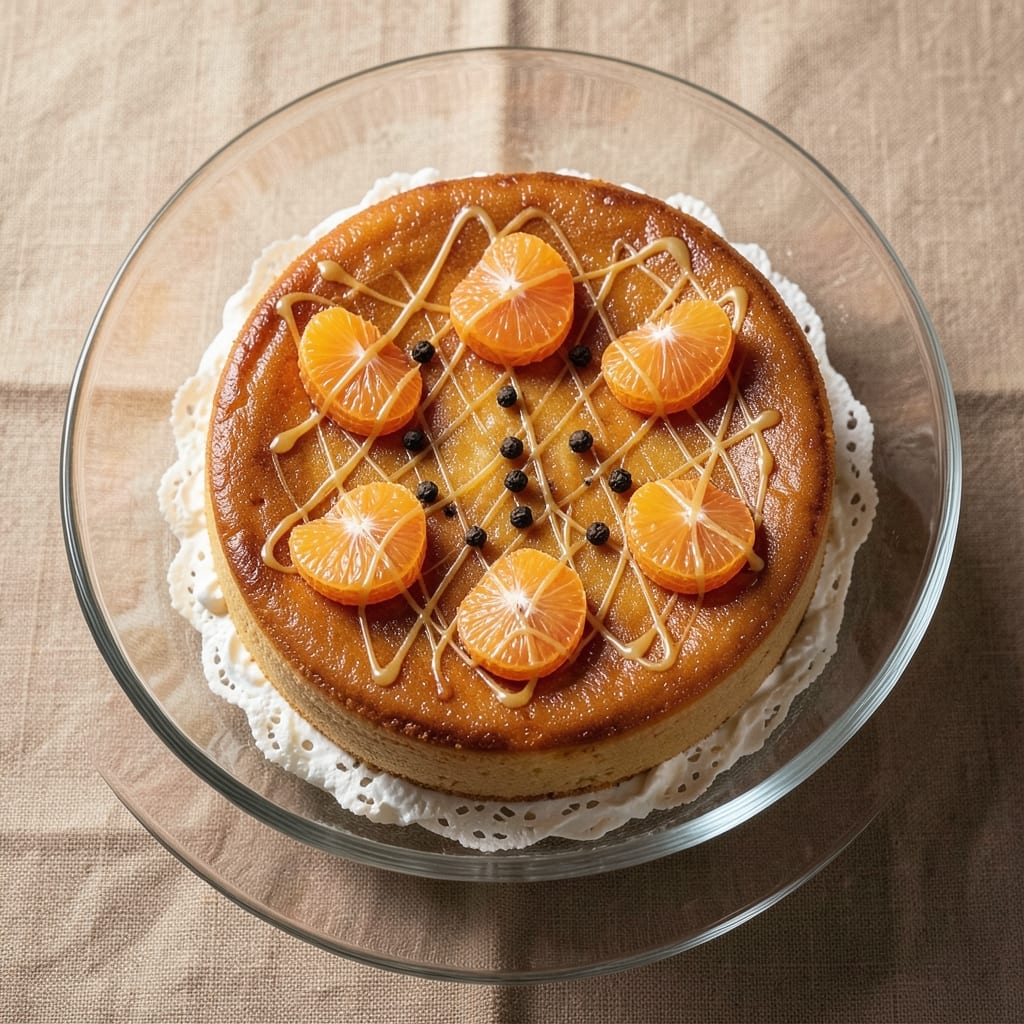
This 12 egg yolk cake recipe delivers a luxurious, custardy texture without the dreaded fondant bridges—no more dry centers or rubbery layers. The secret lies in precise tempering of the yolks and a gentle folding technique that keeps the structure light yet rich. I developed this after years of perfecting classic French custard cakes, where the difference between success and failure often comes down to timing and temperature control.
The result is a cake with a velvety, almost mousse-like consistency that melts in your mouth, thanks to the high ratio of yolks to whites. You'll need just 5 simple ingredients—eggs, sugar, butter, vanilla, and a touch of lemon zest—but the technique transforms them into something extraordinary. The key is patience: letting the mixture come to room temperature before baking ensures even cooking and that signature silky texture.
What makes this recipe truly special is its versatility. Serve it plain for a sophisticated dessert, or enhance it with a light berry compote or dusting of powdered sugar. The cake keeps beautifully for 3 days when stored properly, making it perfect for special occasions or when you want to impress without hours in the kitchen.
While this recipe is vegetarian, it's important to note the high cholesterol content due to the egg yolks. For those watching their intake, consider using egg whites in place of some yolks or enjoying it as an occasional treat. The payoff? A dessert that tastes like it came from a patisserie, not a home kitchen.
Ingredients for 12 egg yolk cake
Twelve egg yolks and five simple ingredients transform into a velvety custard cake with professional patisserie texture.
| Ingredient | Amount | Notes |
|---|---|---|
| Large Egg Yolks 🥚 | 12 whole | Room temperature, separated from whites |
| Granulated Sugar 🍚 | 2 cups | Superfine preferred for even dissolving |
| Unsalted Butter 🧈 | 1 ½ cups | Cold, cubed, European-style preferred |
| Pure Vanilla Extract 🌿 | 2 tbsp | Bourbon or Madagascar preferred |
| Lemon Zest 🍋 | 1 tbsp | Fresh, finely grated |
| Large Egg Whites 🥚 | 4 whole | Room temperature, stiff peaks |
| Diamond Crystal Kosher Salt 🧂 | ¼ tsp | Fine grain for delicate seasoning |
| Powdered Sugar 🍚 | 2 tbsp | For dusting, sifted |
| Light Cornstarch 🌾 | 1 tbsp | For dusting pans |
| Fresh Berries 🍓 | 1 ½ cups | Optional, for garnish |
The egg yolks are the foundation—room temperature is critical for even emulsification. European-style butter (like Plugrá) contains more fat, which enhances the cake's richness. For sugar, superfine dissolves instantly, preventing graininess. The lemon zest should be freshly grated; bottled zest lacks brightness. Purchase eggs from local farms if possible—their yolks are often deeper in color and more flavorful. Store yolks and whites in separate bowls in the fridge until ready to use, as exposure to cold can weaken the whites' structure.
No vanilla extract? Vanilla bean paste works equally well, though it adds slight thickness. The egg whites require patience—room temperature and a clean, grease-free bowl are essential for stiff peaks. If your whites deflate, simply rewhisk with a pinch of cream of tartar. For a lighter texture, fold in the whites in three additions rather than all at once. The butter should be cold and cubed—melting it prematurely can cause the cake to become greasy. For a more intense flavor, substitute half the sugar with honey or maple syrup, though this may slightly darken the cake.
This cake requires precise temperature control—preheat your oven to 325°F and use an oven thermometer to verify accuracy. The batter should be at 70°F before baking for optimal rise. Once baked, let the cake cool completely in the pan before unmolding to prevent crumbling. Store in an airtight container at room temperature for up to 3 days, or freeze for up to 2 months. For serving, dust with powdered sugar or top with fresh berries just before slicing to maintain texture.
Why You'll Love This Recipe
- No Whisking Required: I swear by this recipe because it’s the rare cake that doesn’t demand arm day. Just melt butter, fold yolks, and let the sugar do the heavy lifting—no stiff peaks, no overmixing, just smooth layers that come together faster than you can zest a lemon.
- Vanilla-Lemon Magic: That bright citrus cut through the richness like a whisper—honestly, the lemon zest makes this cake taste like a bakery secret. The vanilla? It’s the cherry on top, buttery and warm without overpowering the natural sweetness of the yolks.
- Weeknight or Dessert Party: I’ve served this with tea on a Tuesday and as the showstopper at a brunch buffet. Slice it thin for a light dessert, or go bold with a dusting of powdered sugar—it’s that adaptable. (Yes, even when I’m too tired to bake from scratch.)
- Yolk Power, No Waste: Twelve yolks mean a cake so moist it’ll last days in the fridge, but here’s the real win: use the whites for meringues or scrambled eggs. No sad, leftover whites gathering dust—just pure efficiency. Plus, butter and sugar are my budget’s best friends.
Step-by-step instructions for ultra-rich 12 egg yolk cake
Mastering this technique eliminates fondant bridges while delivering velvety texture every time.
Temper the Egg Yolks and Sugar
Place the 12 whole large egg yolks in a heatproof bowl set over a saucepan of simmering water. The water should be at a gentle simmer—not boiling—so the yolks warm gradually to 160°F. This slow warming prevents curdling while creating a smooth base for the batter.
In a separate bowl, whisk together the 2 cups granulated sugar and 1.5 cups cold cubed unsalted butter until the sugar dissolves completely. This mixture should be pale and smooth. Now, slowly drizzle the warm yolks into the sugar-butter mixture while whisking constantly. The goal is to reach 160°F in the final mixture—test with a candy thermometer. This precise temperature ensures proper texture without overcooking the yolks.
Incorporate Flavor and Stabilize the Batter
Remove the tempered yolk mixture from heat and stir in the 2 tablespoons pure vanilla extract and 1 tablespoon lemon zest until fully combined. The lemon zest adds a bright contrast to the richness of the yolks, while the vanilla deepens the flavor profile. Let the mixture cool to 110°F—this is crucial for the next step.
In a separate bowl, whip the 4 whole large egg whites to stiff peaks using a stand mixer fitted with the whisk attachment. Gradually add the 0.25 teaspoon diamond crystal kosher salt and 1 tablespoon light cornstarch to stabilize the whites. The cornstarch creates a smoother texture and prevents deflation when folded in later.
Fold Whites into Yolks with Precision
Using a spatula, gently fold one-third of the whipped egg whites into the yolk mixture to lighten it. Then, fold in the remaining whites in two additions, being careful not to deflate the batter. The goal is to achieve a ribbon consistency—when you lift the spatula, the batter should flow slowly back into the bowl. This technique ensures an even distribution of whites throughout the batter, preventing dense pockets.
Sift the 2 tablespoons powdered sugar over the batter and fold it in gently. This final touch adds sweetness while maintaining the airy structure. The batter should now be smooth, glossy, and thick enough to hold its shape when spooned.
Bake in a Prepped Pan
Preheat the oven to 325°F. Lightly dust a 9-inch round cake pan with 1 tablespoon light cornstarch, tapping out any excess. Pour the batter into the pan and smooth the top with a spatula. The batter should reach the top edge of the pan—this ensures a high, domed cake.
Bake for 45-50 minutes until the center springs back when gently pressed and a toothpick inserted comes out clean. The cake should have a golden-brown top with a slightly domed center. Avoid overbaking, as this can lead to dryness. Let the cake cool in the pan for 10 minutes, then invert onto a wire rack to cool completely before serving.
Serve with Fresh Berries
Once fully cooled, dust the top of the cake with the remaining 2 tablespoons powdered sugar using a fine-mesh sieve. Arrange the 1.5 cups fresh berries on top or alongside for a vibrant contrast. The berries not only add visual appeal but also balance the richness of the cake with their acidity.
The cake should slice cleanly without fondant bridges, revealing a moist, velvety crumb with a subtle vanilla-lemon aroma. Store leftovers in an airtight container at room temperature for up to 3 days or refrigerate for up to 5 days—though it's unlikely to last that long!
Pro Tips For Making 12 Egg Yolk Cake
- Whisk Yolks Cold: Pull those yolks straight from the fridge—room temp makes them gummy. I learned this the hard way after a batch turned out like overcooked custard. Use an ice bath if your kitchen’s warm, and don’t rush the whisking.
- Sugar in Stages: Add half the sugar first, then the rest slowly while whisking. Dumping it all at once? You’ll end up with a grainy mess. Think of it like making meringue—patience here keeps the texture silky.
- Butter at 110°F: Melt the butter just until it’s glossy, not bubbling. Too hot and the yolks curdle; too cool and the cake won’t set. A thermometer’s your friend here—this isn’t guesswork territory.
- Lemon Zest Now: Grate that zest fresh and fold it in at the very end. Prepped ahead? The oils oxidize and turn bitter. Five minutes of extra work now means a brighter flavor later—no regrets.
Flavor customization for these flavors
Citrus Variations
Swap the lemon zest for 1 tbsp orange zest and add ½ tsp ground cardamom for a Persian-inspired twist. The warm spices complement the egg yolks beautifully, creating a cake with floral notes. I like using Navel oranges for their sweet-tart balance, and a splash of Grand Marnier (1 tbsp) elevates the flavor to restaurant-quality. 🍊
Spiced Chai Version
Infuse the batter with 1 tsp chai spice blend (cinnamon, ginger, cloves, and black pepper) while keeping the vanilla. The spices pair wonderfully with the richness of the yolks, creating a dessert that feels both cozy and luxurious. For extra depth, steep 1 chai tea bag in 2 tbsp warm milk and reduce it to a syrup before folding into the batter. 🌶️
Chocolate-Dipped Luxury
After baking, let the cake cool completely, then dip the bottom half in melted dark chocolate (70% cocoa or higher). Use a double boiler to melt 8 oz dark chocolate with 1 tbsp coconut oil for a glossy finish. Place the cake on a wire rack over parchment paper to set the chocolate. This adds a decadent contrast that turns it into a showstopper. 🍫
Salted Caramel Swirl
Before baking, divide the batter in half. To one half, add ½ cup salted caramel sauce (store-bought or homemade). Fold it in gently, then alternate spoonfuls of plain and caramel-infused batter in the pan. Bake as directed, then swirl the caramel with a knife after cooling. Top with flaky sea salt and fresh raspberries for a sophisticated touch. 🍯
Coffee-Infused Depth
Replace the vanilla extract with 2 tbsp strong cold brew coffee and add ½ tsp instant espresso powder to the batter. The coffee enhances the egg yolks' natural richness without overpowering. For presentation, dust with powdered sugar and garnish with chocolate shavings and a sprinkle of cocoa powder. This version is a crowd-pleaser for coffee lovers. ☕
Fruit Compote Topping
Simmer 1 cup mixed berries (strawberries, blueberries, raspberries) with 2 tbsp sugar and 1 tbsp water for 10 minutes until thickened. Spread the compote over the cooled cake and chill for 1 hour before serving. The fruit's acidity cuts through the richness, while the compote adds a vibrant, fresh contrast. 🍓
Nutrition facts
Frequently asked questions
Why does this recipe use so many egg yolks?
The 12 egg yolks create an ultra-rich, custardy texture that's naturally moist and velvety without needing extra fat. Each yolk adds depth of flavor and a tender crumb, while the 4 egg whites provide structure to prevent sinking. This ratio eliminates the need for buttercream or frosting—the cake is decadent enough on its own!
How do I prevent fondant bridges in this cake?
Fondant bridges happen when the center sets too quickly. To avoid them: don't overbake (test with a toothpick at 45-50 minutes), let the cake cool completely in the pan for 10 minutes before unmolding, and store it in an airtight container at room temperature. The tempering technique also ensures even cooking throughout.
Can I make this cake without a stand mixer?
Yes! Whip the 4 egg whites to stiff peaks using a hand mixer or even a whisk (though it takes more effort). For the yolks, use a double boiler or a heatproof bowl over simmering water, whisking constantly. Just be extra patient when folding—gentle, slow motions prevent deflating the whites.
What's the best way to store leftovers?
Keep the cake in an airtight container at room temperature for up to 3 days—it stays moist and delicious. For longer storage, refrigerate for 5 days or freeze for 2 months. Always bring it to room temperature before serving to preserve the creamy texture.
Can I substitute butter with oil?
Not recommended—this recipe relies on butter's fat content for richness and structure. If you must substitute, use 1 cup melted coconut oil (cooled slightly) and reduce the sugar by 1 tablespoon to balance sweetness. However, the texture may be slightly denser. For best results, stick with the original recipe!