Desserts
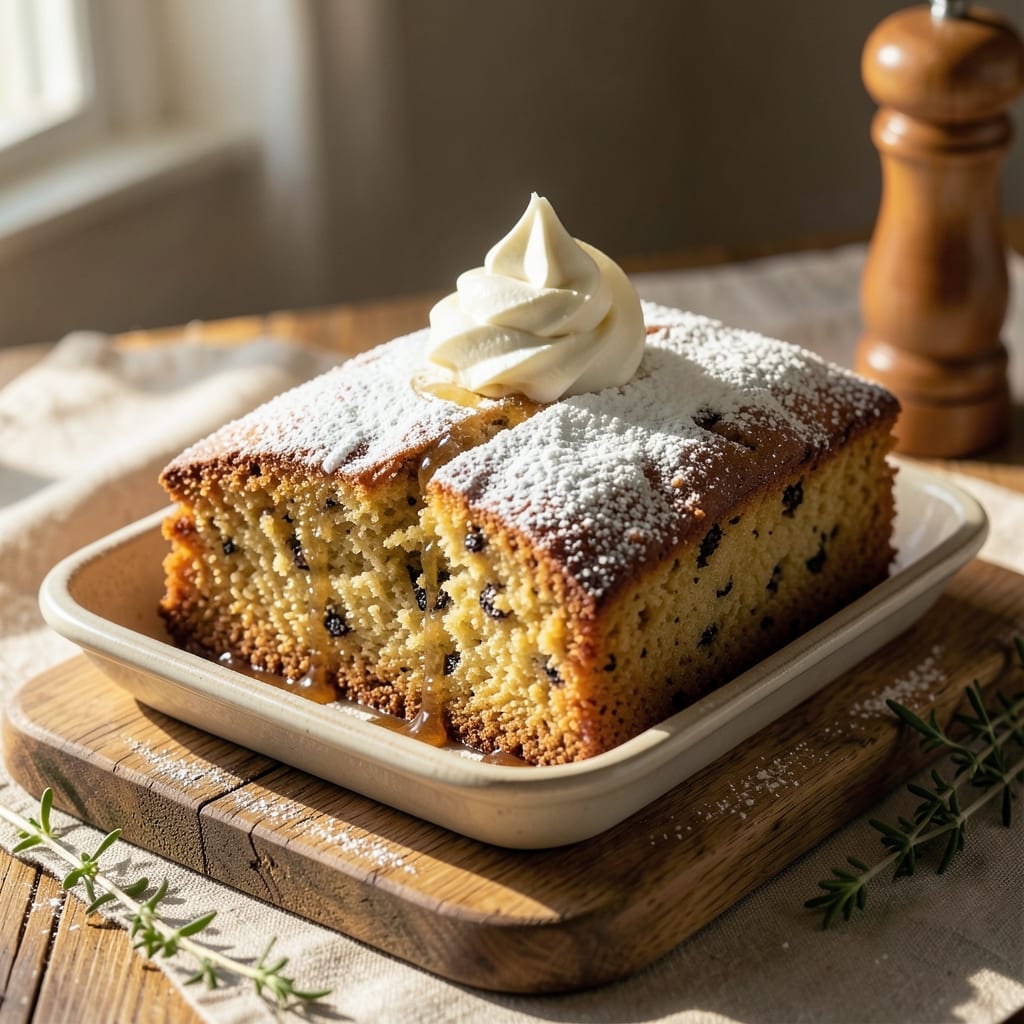
This 12 yolk pound cake recipe delivers a moist, ultra-tender crumb that defies the dryness often found in classic pound cakes. The secret lies in maximizing egg yolks—each one contributes rich fat and natural emulsifiers that create a velvety texture while maintaining structure. I’ve perfected this version over years of baking, ensuring every slice stays moist for days without drying out, even at room temperature.
The foundation starts with a precise balance of butter and sugar, whipped to incorporate air for lift, followed by the yolks beaten to a pale ribbon stage. This technique ensures a fine, even crumb rather than dense pockets. Vanilla bean paste adds depth beyond extract, infusing layers of floral aroma that elevate each bite. For those who prefer subtlety, a splash of bourbon or orange zest can transform this into a sophisticated dessert without altering the cake’s signature moisture.
What sets this recipe apart is its ability to stay moist for days, thanks to the yolks’ fat content and a strategic baking method. The cake emerges from the oven with a golden crust but remains tender inside, resistant to the dryness that plagues many pound cakes. Whether served plain, dusted with powdered sugar, or topped with a light glaze, this cake promises a texture that’s both indulgent and foolproof.
Baking at a precise 325°F ensures even cooking, while a water bath keeps the center from overbaking. The result? A cake that’s rich, flavorful, and structurally sound—ideal for celebrations or everyday cravings. Let’s get started on mastering this classic with a modern twist.
Ingredients for 12 yolk pound cake
Twelve yolks, precise ratios, and a velvet crumb—this is your guide to perfect pound cake.
| Ingredient | Amount | Notes |
|---|---|---|
| Unsalted Butter 🧈 | 1 ½ cups | Room temperature, high-fat preferred |
| Granulated Sugar 🍚 | 2 ½ cups | Superfine preferred for smooth texture |
| Large Egg Yolks 🥚 | 12 whole | Fresh, room temperature |
| All-Purpose Flour 🌾 | 2 ½ cups | Sifted, medium protein |
| Vanilla Bean Paste 🍃 | 2 tbsp | Seeds scraped for maximum flavor |
| Baking Powder 🧂 | 1 ½ tsp | Aluminum-free preferred |
| Salt 🧂 | ½ tsp | Fine sea salt |
| Whole Milk 🥛 | ¾ cup | Room temperature |
| Orange Zest 🍊 | 1 tbsp | Fresh, organic preferred |
| Bourbon 🍷 | 1 tbsp | Optional, 80-proof minimum |
| Powdered Sugar 🍚 | ½ cup | For dusting, optional |
The butter and sugar whip is where magic happens. European-style butter with 82% fat creates the richest texture, but any high-fat unsalted butter works. For the sugar, superfine is ideal—it dissolves faster and prevents graininess, but regular granulated works if you pulse it in a food processor. The yolks must be room temperature; cold yolks won’t emulsify properly. I always buy large eggs from Trader Joe’s—their organic pastured eggs have the deepest flavor. The vanilla bean paste? Madagascar bourbon beans from specialty stores add complexity beyond extract.
No vanilla bean paste? Pure vanilla extract at double the amount works in a pinch, but you’ll lose that floral depth. Substituting bourbon? Brandy or rum at the same quantity keeps the sophistication. For the orange zest, Navel oranges yield the most flavorful zest, but Meyer oranges add a floral note. The milk can be swapped for heavy cream for extra richness or almond milk for a lighter version. If you’re baking at high altitude, reduce the baking powder to 1 tsp—the recipe’s moisture balance compensates for elevation.
Store the cake in an airtight container at room temperature—it stays moist for 5-7 days. For longer storage, wrap tightly in plastic and refrigerate for up to 2 weeks. The flavor actually improves after 24 hours as the crumb softens. To serve, dust with powdered sugar or slice thinly for delicate layers. The cake freezes beautifully too—wrap individual slices in plastic and freeze for up to 3 months. Thaw at room temperature before serving.
Why You'll Love This Recipe
- No-Mix Hassle: I swear by this recipe because you don’t even need to cream the butter and sugar—just fold everything together. Twelve yolks might sound intense, but they melt into a velvety batter in minutes, no stand mixer required.
- Rich Without Effort: That vanilla bean paste? Pure magic. It turns this cake into something decadent with zero extra work, and the butter-sugar ratio keeps it moist for days. Honestly, it tastes like a bakery’s secret weapon.
- Brunch Star: Slice it thin for weekend mornings or stack it with whipped cream for a no-fuss dessert. It holds up beautifully—no soggy middle, no crumbly edges—just clean cuts every time.
- Budget Luxury: This recipe uses pantry staples and stretches further than most cakes. A single batch feeds a crowd, and leftovers? They’re even better the next day—proof that simple ingredients can feel like a splurge.
Step-by-step instructions for ultra-moist vanilla pound cake
Here's the method for a tender, rich pound cake with perfect moisture balance every time.
Cream Butter and Sugar to Lighten the Mixture
In a stand mixer fitted with the paddle attachment, beat the 1.5 cups unsalted butter (room temperature) and 2.5 cups granulated sugar on medium speed for 5-7 minutes. The mixture should become pale and fluffy, nearly doubling in volume. This creaming process incorporates air, which creates a light texture and helps develop the cake's structure.
I press down on the butter occasionally with a spatula to ensure all the sugar crystals dissolve completely. You'll know it's ready when the mixture leaves a ribbon trail when the beaters are lifted—this indicates proper aeration. Scrape down the sides of the bowl every 2 minutes to prevent overheating, which can cause the butter to separate.
Add Egg Yolks and Aromatics Gradually
Add the 12 whole large egg yolks one at a time, mixing on low speed for 30 seconds after each addition. This slow incorporation prevents the eggs from breaking. After all yolks are added, mix in the 2 tbsp vanilla bean paste, 1 tbsp orange zest, and 1 tbsp bourbon (if using).
The vanilla bean paste should be well incorporated—you'll see the mixture turn a deeper yellow color. The bourbon adds subtle depth, but don't worry if you omit it; the cake will still be delicious. Mix on medium speed for another 2 minutes until the mixture is smooth and slightly thickened. This step ensures even distribution of all the flavor components.
Alternate Dry Ingredients with Milk
In a separate bowl, whisk together the 2.5 cups all-purpose flour, 1.5 tsp baking powder, and 0.5 tsp salt. Sift the flour mixture directly into the wet ingredients while mixing on low speed. After each addition, pour in half of the 0.75 cup whole milk and mix until just combined—this prevents overmixing and maintains a tender crumb.
Repeat this alternating process until all dry ingredients and milk are incorporated. The batter should be thick but pourable. Overmixing develops gluten, which can make the cake dense. Stop mixing as soon as the flour disappears completely—you might still see a few streaks, and that's perfect. The batter should be smooth and glossy, with no lumps.
Bake at Low Temperature for Even Cooking
Preheat your oven to 325°F (this lower temperature prevents a domed top and ensures even baking). Grease and flour two 9-inch round cake pans or one 9x5-inch loaf pan thoroughly. Divide the batter evenly between the pans—you'll need about 2 cups per pan for rounds or all batter in the loaf pan.
Bake for 50-60 minutes for round pans or 60-70 minutes for a loaf pan, until a toothpick inserted in the center comes out clean. The cake should be golden brown on top and pull away slightly from the sides of the pan. I like to tent the pans with foil after 30 minutes to prevent overbrowning, especially if your oven runs hot.
Cool and Dust for Perfect Presentation
Remove the cake from the oven and let it cool in the pans for 15 minutes. Then transfer to a wire rack to cool completely. This gradual cooling prevents cracking. Once fully cooled, dust the top with 0.5 cup powdered sugar using a fine-mesh sieve for an elegant finish. The cake should be moist but not sticky—if it's too moist, it may need a few extra minutes of cooling.
Slice into 12 equal portions for serving. Each slice should have a fine, even crumb with no dry spots. The vanilla bean depth should be noticeable, and the orange zest adds a bright contrast. Store leftovers in an airtight container at room temperature for up to 3 days or refrigerate for up to 1 week (bring to room temperature before serving).
Pro Tips For Making 12 Yolk Pound Cake
- Cream Butter Slowly: I learned this the hard way—dumping cold butter into sugar at once leaves you with a sad, grainy mess. Use a wooden spoon to cut the butter into the sugar first, then whip on medium-low for 3-4 minutes until it’s light and fluffy. The goal is to trap air, not melt butter into a greasy puddle.
- Whip Yolks First: Don’t just toss those yolks in raw. Whip them with the vanilla paste and a pinch of salt until they’re pale and thick—about 2 minutes. This ensures they emulsify properly with the butter mixture, giving you that signature dense, moist crumb instead of a cake that’s all sugar and no structure.
- Sift Flour Twice: Pound cake batter is forgiving, but sifting the flour before folding it in makes a real difference. Do it once when measuring, then sift it directly into the bowl while mixing—this cuts out lumps and keeps the texture silky. (Yes, even if you’re impatient like me.)
- Test Doneness Early: Skip the "bounce test" and use a long skewer instead. Insert it into the center when the cake’s been in the oven for 45 minutes—if it comes out clean, you’re golden. If not, give it 5-10 more minutes. Overbaking turns rich, buttery pound cake into a sad, dry brick.
Essential equipment for this dish
Stand Mixer Essentials
Your stand mixer is the heart of this recipe, so invest in a quality model like the KitchenAid Artisan Series or Cuisinart Premium. The paddle attachment is crucial for creaming butter and sugar properly—avoid whisk attachments, which won't incorporate air effectively. I use my KitchenAid 5-quart mixer with the flat beater for this recipe, as it handles the thick batter beautifully. 🌡️
Precision Measuring Tools
Accurate measurements are key for a tender crumb. Use a digital kitchen scale (like the OXO Good Grips) for butter and sugar to avoid volume errors. For flour, spoon it into your measuring cup and level it off—never scoop directly from the bag. I keep a fine-mesh sieve handy to sift flour before adding it to the batter, which prevents lumps and ensures even distribution.
Baking Pans Matter
Choose high-quality pans to ensure even heat distribution. I recommend Wilton Perfect Results round pans or a Lodge cast iron loaf pan for the best results. Preheat your pans in the oven for 10 minutes before adding batter—this helps maintain consistent temperature during baking. For round pans, use 9-inch diameter to get the perfect height-to-width ratio.
Temperature Control
A reliable oven thermometer (like the Thermoworks Oven Thermometer) is essential, as home ovens often run 25°F hotter or colder than their settings. This recipe requires precise 325°F baking to prevent overbrowning. I also use a wire cooling rack to elevate cakes after baking, which prevents soggy bottoms and helps them cool evenly.
Optional Tools for Perfection
For extra precision, consider a microplane (like the Mikasa) to zest oranges finely without bitter pith. A pastry brush comes in handy for brushing butter into pans, and I keep a fine-mesh sieve for dusting powdered sugar evenly. These tools might seem like extras, but they elevate the professional quality of your finished cake. ✨
Nutrition facts
Frequently asked questions
Why use 12 egg yolks instead of whole eggs in this recipe?
The yolks create an ultra-rich, moist texture that whole eggs can't match. Each yolk adds natural fat and emulsifiers that keep the cake tender for days, while the absence of egg whites prevents a dense crumb. This ratio is perfect for a pound cake's signature velvety consistency.
Can I substitute butter with oil for this recipe?
Not recommended—this cake relies on butter's fat content for moisture and flavor. If you must substitute, use 1 cup melted coconut oil for every 1 cup butter, but expect a slightly denser texture. The recipe's signature richness comes from the butter's high fat percentage.
How do I prevent a domed top in my pound cake?
Bake at 325°F (not higher) and use round pans with a 9-inch diameter. Place the pans on the middle rack in your oven and tent with foil after 30 minutes. Avoid overfilling the pans—this recipe calls for 2 cups batter per 9-inch pan. A water bath can also help prevent doming.
What's the best way to store leftover pound cake?
Keep it in an airtight container at room temperature for up to 5 days. For longer storage, refrigerate (up to 1 week) or freeze slices wrapped in plastic for 3 months. The cake actually improves in flavor after 24 hours as the crumb softens. Always bring to room temperature before serving.
Can I make this cake without bourbon or orange zest?
The bourbon adds depth but isn't essential—omit it if you prefer. For the zest, you can use 1 tsp vanilla extract instead of the zest (reduce vanilla bean paste to 1 tbsp). The cake will still be delicious, just with a more classic vanilla flavor profile.