
Desserts
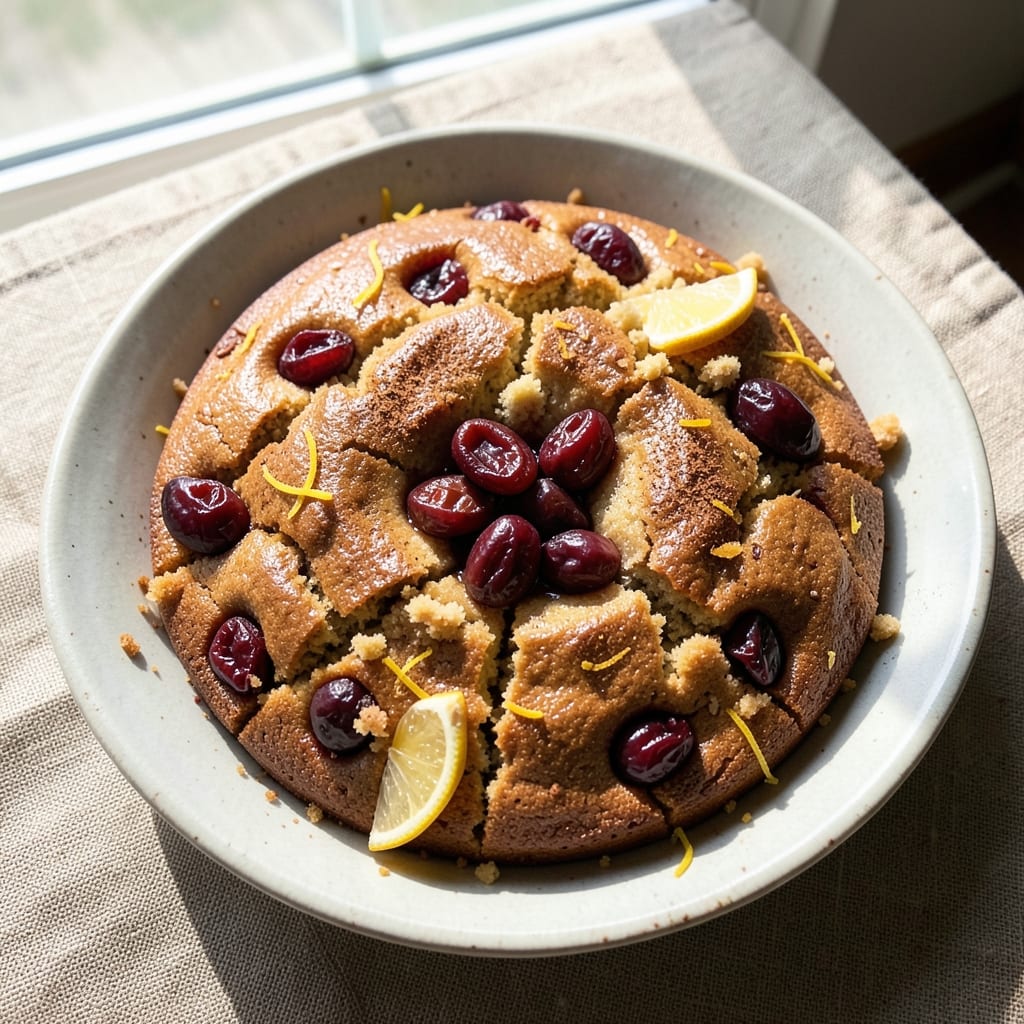
A 1kg plum cake delivers the perfect balance of moist spiced cake and sweet fruit swirls—ideal for special occasions or weekend treats. This recipe ensures rich, tender layers with just the right amount of cinnamon warmth and juicy plums at every bite. The secret lies in a precise mix of flour, butter, and sugar that creates the signature texture while keeping it light enough to slice cleanly.
What makes this perfect plum cake stand out is the swirled fruit mixture, where plums (or dried fruits) are combined with spices and a touch of citrus to brighten the flavor. The cake bakes in one 9-inch round tin, yielding a beautifully domed top with a crackly crust. Unlike heavier fruit cakes, this version stays moist for days, making it perfect for gifting or enjoying with tea.
The process is straightforward: mix the batter, fold in the fruit swirl, and bake until golden. A simple syrup glaze adds extra shine and moisture before cooling. Whether you're a beginner or an experienced baker, this recipe delivers restaurant-quality results with minimal fuss. The key is patience—letting the cake cool gradually ensures clean slices every time.
Serve warm with whipped cream or dusted with powdered sugar for an elegant finish. Leftovers keep well for up to a week, making it a versatile choice for celebrations or quiet afternoons. Ready to master this classic dessert? Let’s get started.
Ingredients for 1kg plum cake
Twelve simple ingredients transform into a restaurant-quality plum cake with tender layers and juicy fruit swirls.
| Ingredient | Amount | Notes |
|---|---|---|
| All-Purpose Flour 🌾 | 4 cups | Sifted for light texture |
| Unsalted Butter 🧈 | 1 ½ cups | Softened to room temperature |
| Granulated Sugar 🍚 | 2 cups | Superfine preferred for smoothness |
| Large Eggs 🥚 | 4 whole | Room temperature for even mixing |
| Fresh Plums 🍑 | 1 ½ lb | Pitted and finely chopped |
| Ground Cinnamon 🌿 | 1 ½ tsp | Freshly ground for warmth |
| Vanilla Extract 🌸 | 1 tbsp | Pure Madagascar preferred |
| Lemon Zest 🍋 | 1 tbsp | From organic lemon |
| Baking Powder 🍞 | 2 tsp | Aluminum-free for best rise |
| Salt 🧂 | ½ tsp | Fine sea salt |
| Heavy Cream 🥛 | ½ cup | Cold for swirl mixture |
| Powdered Sugar 🍚 | ½ cup | For simple syrup glaze |
| Orange Juice 🍊 | 2 tbsp | Freshly squeezed for brightness |
The butter and sugar are the stars here—European-style butter like Plugrá or President gives the richest flavor, but any good unsalted brand works. Look for organic plums at your local farmers market in season, or grab frozen for year-round baking. The flour? King Arthur or Gold Medal are my go-tos—they bake up light and fluffy. Room-temperature eggs and butter mix smoother, so take them out 30 minutes before starting. For the plums, Italian prunes work too if fresh fruit isn't available—just soak them first to soften.
No vanilla extract? Vanilla bean paste works perfectly, or scrape seeds from a split vanilla bean. Short on plums? Raspberries or blackberries add a different but delicious twist—just reduce the orange juice to 1 tbsp. The lemon zest can be substituted with 1 tsp bottled lemon juice if you're in a pinch, but fresh zest brightens everything. For a deeper spice profile, add a pinch of cardamom to the dry ingredients. The baking powder must be fresh—if it's over a year old, toss it and buy new.
This cake keeps beautifully for 5-6 days wrapped tightly at room temperature, or 2 weeks in the fridge. For longer storage, slice and freeze portions between parchment paper—3 months in an airtight container. The syrup glaze sets perfectly when poured over warm cake, so work quickly there. Slice with a serrated knife for clean pieces, and always let it cool completely first. Leftovers? Warm slices with whipped cream are my favorite way to enjoy them.
Why You'll Love This Recipe
- No Fuss Mixing: I swear by the creamy butter-egg combo—just beat it all together, fold in those plums, and you’re done. No stand mixer required, no stressing over precise measurements after the first try.
- Plum Butter Bliss: That caramelized sugar melting into the plums? It’s like dessert hugged your cake. The butter keeps it rich but not heavy, and honestly, the first bite makes you forget it’s technically a cake.
- Weeknight Crowd Pleaser: Between us, this feeds six with room for seconds and still leaves slices for lunch. Pack it for picnics, slice it for school lunches, or just eat it straight from the pan—no judgment here.
- Budget-Friendly Luxury: Fresh plums in season? Score. Butter and eggs stretch further than you’d think for a cake this impressive. I’ve made this for birthdays, holidays, and random Wednesdays—always a win.
Step-by-step instructions for spiced plum cake
Here's how to create a moist, fragrant plum cake with perfect swirls every time.
Prepare the Plum Filling
Pit and finely chop the 1.5 lb fresh plums, removing any tough skins or seeds. In a medium bowl, combine the chopped plums with the 2 tbsp orange juice, 1 tbsp lemon zest, and 1.5 tsp ground cinnamon. Mix gently to coat the fruit evenly. This brightens the plums while adding warmth through the cinnamon.
Let the plum mixture sit for 10 minutes while you prepare the cake batter. This resting period allows the flavors to meld slightly, creating a more cohesive filling. The lemon zest will infuse the plums with a subtle citrus note that balances their natural sweetness perfectly.
Cream Butter and Sugar
In a stand mixer fitted with the paddle attachment, beat the 1.5 cups softened unsalted butter with the 2 cups granulated sugar on medium speed for 3-4 minutes. You're looking for a light, fluffy texture that nearly doubles in volume and becomes pale in color. This creaming process incorporates air into the batter, which creates that tender crumb we all love.
Scrape down the sides of the bowl with a spatula to ensure even mixing. The butter should be completely smooth with no visible lumps. If you press your finger into the mixture, it should leave a slight indentation that holds its shape—this indicates proper softening and creaming.
Add Eggs and Dry Ingredients
Add the 4 whole large eggs, one at a time, mixing on low speed after each addition until fully incorporated. Then stir in the 1 tbsp vanilla extract. In a separate bowl, whisk together the 4 cups all-purpose flour, 2 tsp baking powder, and 0.5 tsp salt. Gradually add the dry ingredients to the butter mixture, mixing on low speed just until combined.
Don't overmix here—the moment the flour disappears is perfect. Overmixing develops gluten and can make your cake dense. The batter should be thick but smooth, with no visible streaks of flour. This is where the magic happens—your cake's structure is being built right now.
Create the Swirl Pattern
Pour half of the batter into a greased 1kg (9x2-inch) round cake tin. Using a spatula, spread it evenly. Then add all of the plum filling, spreading it in an even layer. This is where the cake gets its signature swirls—don't worry about perfect circles, just an even distribution.
Spoon the remaining batter over the plum filling, then gently swirl with the spatula to create those beautiful patterns. Tap the tin lightly on the counter to release any air bubbles. The contrast between the pale batter and the dark plum filling will look stunning when baked.
Bake to Golden Perfection
Preheat your oven to 350°F. Bake the cake for 50-55 minutes, until a skewer inserted into the center comes out clean. The top should be golden brown with just a hint of crackling on the edges. I like to tent the tin with foil after 30 minutes if the top is browning too quickly.
When done, let the cake cool in the tin for 15 minutes before transferring to a wire rack. This gradual cooling prevents cracking. While it cools, make a simple syrup by heating the 0.5 cup powdered sugar with 2 tbsp water in a small saucepan until dissolved. Brush this lightly over the warm cake for extra moisture.
Pro Tips For Making 1kg Plum Cake
- CREAM BUTTER SLOWLY: Cold butter makes tough cakes. Take your unsalted butter straight from the fridge, cut it into 1-inch cubes, and let it sit on the counter for 30 minutes before creaming—just until it’s soft enough to press a fingerprint into but still holds shape. I used to rush this, and my cakes always ended up dense. Trust me, the few extra minutes save you from dry, crumbly disappointment.
- PIT PLUMS BEFORE PEELING: Plums are stubborn. Before you even think about peeling, slice them in half and scoop out the pits with a small spoon—then drop the halves into a bowl of cold water. The pits sink, and the fruit stays submerged, making peeling a breeze. I learned this the hard way after spending 20 minutes trying to peel plums that kept floating away like little rubber ducks.
- DON’T OVERMIX THE BATTER: Once you fold in the plums, stop mixing after 10 strokes. Overworking the batter develops gluten, and your cake will turn out tough instead of tender. Use a spatula to gently fold—just until the fruit is evenly distributed. I was skeptical until I tried it; the texture is noticeably lighter when you resist the urge to "get it all mixed in."
- BAKE UNTIL 90°C INTERNAL: Your cake’s done when the center hits 90°C (212°F), not when it looks golden. Plum cakes can set unevenly, so skip the toothpick test—it’s not reliable. Pull it out when the internal temp is right, then tent with foil for 10 minutes. I used to take it out too soon, and the middle stayed gummy. This guarantees a perfectly set cake every time.
Troubleshooting your 1kg plum cake
Cake Too Dense
Overmixing the batter is the #1 cause of dense plum cake. Mix the dry ingredients into the wet just until combined—no streaks of flour should remain. Also, ensure your butter is truly room temperature (it should dent when pressed but not be greasy). If your cake still feels dense, you may have used too much flour or underbaked it. 🌾
Fruit Not Swirling
The plum filling needs to be evenly distributed and the batter spooned over gently. Use a spatula to create gentle swirls, not forceful cuts. If the fruit sinks to the bottom, your batter may be too thick—try adding 1 tbsp heavy cream to loosen it. For extra lift, fold in 1 tbsp whipped egg whites before adding the fruit layer.
Cracked Top
Rapid cooling causes cracks. Let the cake cool in the tin for 15-20 minutes, then transfer to a wire rack. If you notice cracks forming during baking, tent with foil at 30 minutes to slow browning. For extra insurance, brush the edges with egg wash before baking—this creates a protective barrier.
Dry Texture
Dryness usually means overbaking or insufficient moisture. Check doneness with a skewer at 50 minutes—it should come out with a few moist crumbs, not completely clean. If your cake dries out quickly, increase the orange juice to 3 tbsp in the plum filling or brush with simple syrup while warm. Store leftovers in an airtight container with a slice of bread to retain moisture.
Pale Color
A pale cake often means underbaking or insufficient sugar caramelization. Ensure your oven is properly calibrated—test with an oven thermometer. For richer color, add 1 tbsp golden syrup to the batter or sprinkle powdered sugar on top before baking. Bake 2-3 minutes longer if needed, but watch closely to avoid overbrowning.
Soggy Bottom
This happens when the cake tin isn't properly prepared. Always grease the tin thoroughly with butter, then dust with flour (or use parchment paper). For extra insurance, place the tin on a baking sheet to catch any drips. If you notice the bottom cooking too quickly, reduce the oven temperature to 325°F for the last 10 minutes of baking. ✨
Nutrition facts
Frequently asked questions
Can I use dried plums instead of fresh?
Yes! For dried plums, soak 1 cup in warm water for 30 minutes to soften, then drain well. Chop finely and use the same amount as fresh plums. The texture will be slightly denser, but the flavor remains rich. Add 1 extra tbsp orange juice to compensate for reduced moisture.
How do I adjust this for a smaller cake?
For a 7-inch (500g) cake, reduce all ingredients by 60%. Use 2.5 cups flour, 1 cup butter, 1.25 cups sugar, and 3 eggs. Bake at 350°F for 40-45 minutes in a greased 7-inch tin. The baking time will be shorter due to the smaller volume.
Why does my cake sink in the middle?
This usually happens from underbaking or opening the oven too soon. Check doneness at 45 minutes—the center should spring back slowly when touched. If your oven runs hot, reduce temperature to 325°F after 30 minutes. For extra support, place the tin on a baking sheet to prevent heat escaping from below.
Can I make this gluten-free?
Yes, but results may vary. Replace flour with a 1:1 gluten-free baking blend (like Bob's Red Mill) plus 1 tsp xanthan gum. Add 2 tbsp extra heavy cream to improve moisture. Expect a slightly denser texture—gluten-free cakes don't rise as high. Test with a toothpick at 50 minutes as they bake faster.
How should I store leftovers?
Wrap tightly in plastic wrap, then place in an airtight container at room temperature for 3-4 days. For longer storage, slice and freeze portions between parchment paper for up to 3 months. Reheat slices in a 300°F oven for 5-7 minutes to restore moisture. Never refrigerate whole cakes—it dries them out faster.