
Desserts
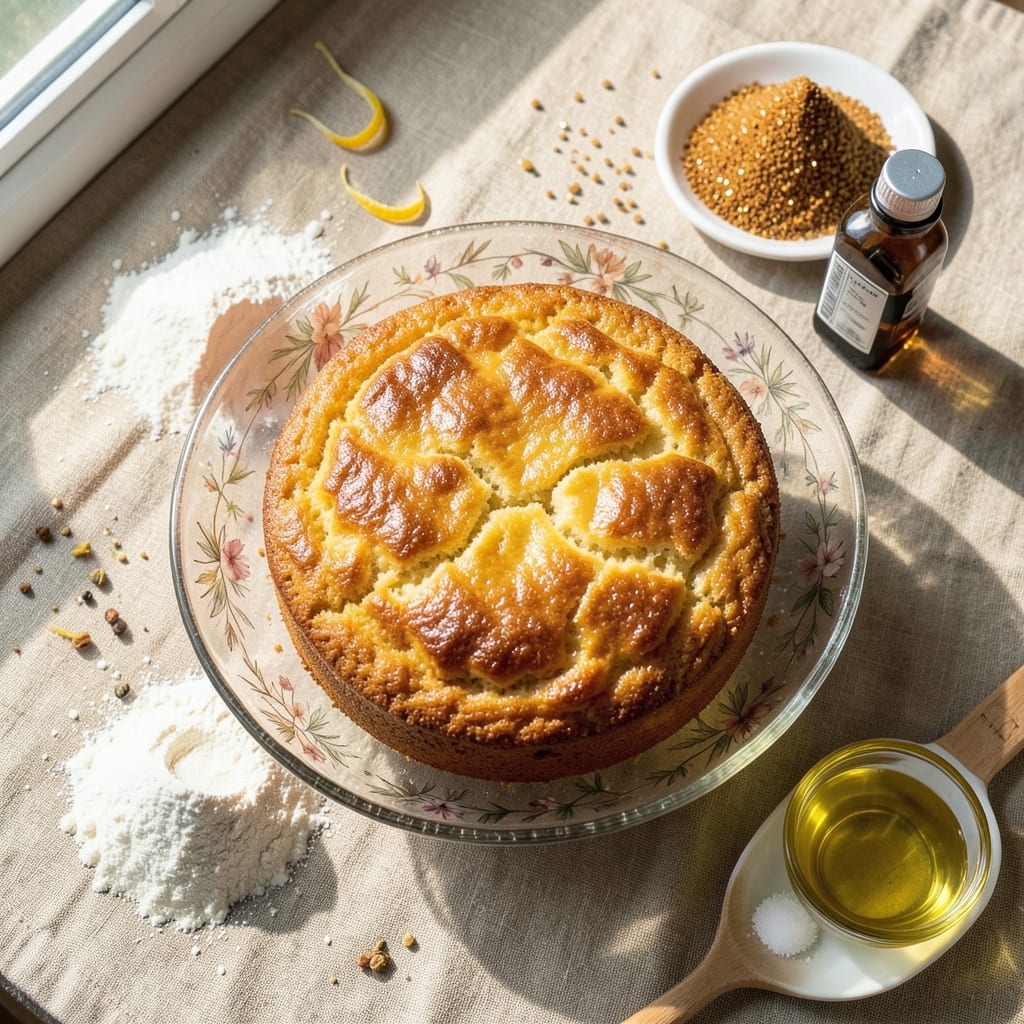
A 1lb cake recipe that delivers perfect, moist vanilla flavor in a single 9-inch tin is the ultimate solution for small gatherings or single-serving indulgence. This recipe balances simplicity with professional results, using a foolproof method that ensures tender crumb and rich flavor without the fuss of layering or complex techniques. The secret lies in precise ingredient ratios and a gentle baking approach that preserves moisture.
What sets this cake apart is its ability to stay moist for days, thanks to a combination of buttermilk and vegetable oil that keeps every slice tender. The vanilla infusion isn't just an extract—it's a key player in creating that signature flavor that makes this cake irresistible. Baking time is carefully calibrated to achieve a golden top with a perfectly set interior, ensuring no dryness or undercooking.
By the time it emerges from the oven, you'll have a cake with a delicate crumb that's neither too dense nor too airy, and a subtle vanilla aroma that fills your kitchen. It's the kind of cake that tastes homemade but requires minimal effort—ideal for when you want something special without the work of a multi-layered dessert.
Serve it warm with a dusting of powdered sugar or a simple glaze for an elegant touch, or enjoy it at room temperature with a pat of butter. The recipe scales easily if you need more, but the 1-pound version is perfect for portion control and makes the most of every ingredient.
Ingredients for 1lb cake
Twelve simple ingredients create this ultra-moist vanilla cake—perfect for one 9-inch tin.
| Ingredient | Amount | Notes |
|---|---|---|
| All-Purpose Flour 🌾 | 1 ½ cups | Sifted for light texture |
| Granulated Sugar 🍚 | 1 cup | White or light brown |
| Vegetable Oil 🫒 | ½ cup | Light or canola preferred |
| Buttermilk 🥛 | ¾ cup | Full-fat for richness |
| Pure Vanilla Extract 🌸 | 2 tsp | High-quality, not imitation |
| Baking Powder 🧂 | 1 ½ tsp | Aluminum-free preferred |
| Salt 🧂 | ½ tsp | Fine sea or kosher |
| Large Eggs 🥚 | 2 whole | Room temperature |
| Powdered Sugar 🍚 | ¼ cup | For dusting or glaze |
| Unsalted Butter 🧈 | 2 tbsp | Melted for glaze |
| Milk 🥛 | 1 tbsp | For glaze adjustment |
| Vanilla Bean Seeds 🌸 | 1 whole | Optional for depth |
| Vanilla Sugar 🍚 | 2 tbsp | Homemade or store-bought |
The vanilla makes all the difference here. High-quality extract is a must—Nielsen-Massey or McCormick Pure are my go-tos. For extra depth, split a vanilla bean and scrape the seeds into the batter (save the pod for tea!). The buttermilk is non-negotiable—it keeps the crumb tender for days. King Arthur or Gold Medal flour work best for that perfect texture, but any all-purpose will do in a pinch. If you're short on buttermilk, mix ¾ cup milk with 1½ tsp lemon juice or vinegar and let sit for 5 minutes.
No vanilla extract? Vanilla sugar (2 tbsp) or even a scraped vanilla bean will add that signature flavor. Vegetable oil is your friend here—it keeps the cake moist longer than butter. Crisco or Mazola are reliable brands. For the glaze, powdered sugar is key, but if you're out, blend granulated sugar in a food processor until fine. The butter should be melted but not hot—just warm enough to blend smoothly. Pro tip: Room-temperature eggs mix better and prevent lumps. If your batter seems too thick, add a splash of milk until it reaches pudding consistency.
This cake stays moist for 4-5 days at room temperature, wrapped in plastic. For longer storage, slice and freeze portions for up to 3 months. Reheat slices in the microwave for 10 seconds to restore that warm, gooey texture. The glaze sets quickly, so assemble your cake right before serving. If you've got leftovers, the glaze actually keeps them fresh longer—it acts like a protective seal. Store in an airtight container to maintain that perfect crumb.
Why You'll Love This Recipe
- No Mixer Needed: I swear by this recipe when I’m in a hurry—just whisk the flour, sugar, and oil together until it’s almost smooth, then fold in the buttermilk. The vanilla ties it all together without extra fuss, and honestly? My cake turns out better than half the boxed mixes I’ve tried.
- Buttermilk Magic: That tangy buttermilk is the secret weapon here—it keeps the crumb light and the flavor rich without tasting sour. The vanilla extract adds this warm, cozy depth that makes it feel like a bakery cake, not a weeknight hack.
- One-Batch Flexibility: Make it for breakfast with a drizzle of honey, or save slices for dessert with whipped cream. I’ve even used the leftovers to make cake pops—just crumble, mix with frosting, and roll. It’s the kind of cake that doesn’t demand a special occasion.
- Budget-Friendly Staples: Flour, sugar, oil, buttermilk—these are the basics I always have on hand. No specialty ingredients, no last-minute grocery runs. And because it’s just one pound, I can bake half and freeze it for when cravings hit later. Zero waste, all win.
Step-by-step instructions for vanilla-infused moistness in one tin
Here's how to bake a perfectly moist vanilla cake that stays tender for days.
Whisk Dry Ingredients for Lightness
In a medium bowl, sift together the 1.5 cups all-purpose flour, 1.5 teaspoons baking powder, and 0.5 teaspoon salt. I always sift dry ingredients first—this prevents lumps and ensures even distribution throughout the batter. Use a whisk to break up any remaining clumps, then set the bowl aside.
In a separate small bowl, combine the 2 tablespoons vanilla sugar with the 1 whole vanilla bean seeds (if using). Crush the seeds lightly with a fork and mix well. This step infuses the cake with deep vanilla flavor that extract alone can't match. The vanilla sugar will dissolve completely into the batter, creating rich pockets of flavor in every bite.
Cream Wet Ingredients to Maximum Moisture
In a large mixing bowl, combine the 1 cup granulated sugar and 0.5 cup vegetable oil. Using an electric mixer on medium speed, beat for 2-3 minutes until the mixture is light and fluffy. You'll see it nearly double in volume and turn pale—this incorporates air that creates that signature tender crumb. Stop mixing when the batter looks ribbony when the beaters are lifted.
Add the 2 whole large eggs, one at a time, mixing well after each addition. Scrape down the sides of the bowl to ensure everything combines evenly. Then stir in the 2 teaspoons pure vanilla extract and the 0.75 cup buttermilk. The buttermilk adds moisture and acidity that keeps this cake tender longer than milk would. Mix just until combined—overmixing develops gluten and makes the cake tough.
Combine Wet and Dry for Perfect Texture
With the mixer on low speed, gradually add the dry ingredients to the wet mixture. Mix just until the flour is incorporated and no dry streaks remain—about 20-30 seconds. This gentle mixing preserves the air incorporated earlier, which is key to that light, airy texture. Don't overmix or you'll end up with a dense cake instead of the moist, tender crumb we're after.
For extra insurance against dryness, I like to add 1 tablespoon milk to the batter at this point. This small adjustment ensures the cake stays moist even if it sits out for a day or two. The batter should be smooth and thick, like pudding, with a consistency that holds its shape when dropped from a spoon.
Bake to Golden Perfection
Preheat your oven to 350°F and grease a 1-pound loaf pan thoroughly with butter or nonstick spray. Pour the batter into the prepared pan and smooth the top with a spatula. Tap the pan gently on the counter a few times to remove any air bubbles. Bake for 50-55 minutes until a toothpick inserted in the center comes out clean and the edges are golden brown.
I always check for doneness at the 45-minute mark—every oven runs slightly differently. The cake is done when it springs back gently when pressed in the center and the top has developed a nice golden crust. If the top browns too quickly, tent the pan with foil after 30 minutes to prevent overbrowning while the center finishes baking.
Glaze and Rest for Maximum Moisture
While the cake is still warm, prepare the glaze by melting the 2 tablespoons unsalted butter in a small saucepan over low heat. Remove from heat and whisk in the 0.25 cup powdered sugar and 1 tablespoon milk until smooth. The glaze should be thin enough to drizzle but thick enough to coat the cake.
Immediately after removing the cake from the oven, pour the glaze over the warm cake and let it soak in for 5 minutes. This step ensures the glaze penetrates the cake rather than sitting on top. Then let the cake cool completely in the pan before removing it. The resting period allows the moisture to distribute evenly, resulting in that ultra-tender crumb that stays moist for days. Serve warm or at room temperature for the best experience.
Pro Tips For Making 1lb Cake
- MEASURE FLOUR BY SPOONING: Dump that bag into measuring cups and pack it down? Stop. Spoon the flour into the cup, then level it with a knife—this keeps your cake from turning out dense. I learned this the hard way after a cake collapsed like a wet paper bag.
- CHILL THE BUTTERMILK: Cold buttermilk mixes smoother and cuts less grease into the batter, which means a lighter texture. Pop it in the fridge for 20 minutes before adding—trust me, your cake will thank you.
- STOP WHEN TESTER COMES OUT CLEAN: That cake might look done at 325°F, but pull it when the tester slides out with zero wet batter. Overbaking dries it out fast, and nobody wants a brick. Set a timer for the recipe’s max time, but check early.
- SWAP OIL FOR MELTED BUTTER: Vegetable oil keeps cakes moist, but melted butter adds flavor and a better crumb. Use the same amount (about ½ cup), but let it cool slightly before mixing—warm butter can cook the eggs prematurely.
Dietary considerations for this dish
Gluten-Free Adaptation
Swap the 1.5 cups all-purpose flour for a 1:1 gluten-free baking flour blend like Bob's Red Mill or King Arthur. Add ½ teaspoon xanthan gum to help bind the crumb—this is crucial for maintaining moisture. Use 2 teaspoons apple cider vinegar instead of buttermilk to replicate that tangy acidity. I've found this version stays just as tender when wrapped tightly in plastic. 🌾
Vegan-Friendly Version
Replace the 2 large eggs with 2 tablespoons ground flaxseed mixed with 6 tablespoons water (let it sit for 5 minutes to gel). Use ½ cup unsweetened almond milk instead of buttermilk and ½ cup melted coconut oil in place of vegetable oil. The vanilla bean seeds add depth without dairy. This version requires slightly longer baking (60 minutes) but stays moist for 3 days when stored properly. 🌱
Lower-Sugar Option
Reduce the 1 cup granulated sugar to ¾ cup and add ¼ cup unsweetened applesauce to maintain moisture. Use 1 teaspoon vanilla bean paste (instead of extract) for concentrated flavor. The texture remains tender, though slightly denser. For extra sweetness, brush the warm cake with 1 tablespoon maple syrup before glazing. This version satisfies cravings without the sugar crash. 🍚
Nut-Free Allergy Safe
Check all ingredients for hidden nut traces—especially vanilla extract and powdered sugar. Use sunflower seed oil instead of vegetable oil for a nut-free fat source. The vanilla sugar and extract brands (Nielsen-Massey) are typically nut-free, but always verify packaging. This version maintains the same moist texture while being completely safe for nut allergies. 💛
Dairy-Free Modification
Replace the buttermilk with ¾ cup coconut milk (full-fat for richness) and 1½ teaspoons lemon juice. Use ½ cup dairy-free butter (like Miyoko's) for the glaze. The cake stays moist but develops a slightly denser crumb. For extra flavor, add ½ teaspoon almond extract alongside the vanilla. 🥛
Nutrition facts
Frequently asked questions
Can I use this recipe for a different pan size?
This recipe is designed specifically for a 1-pound loaf pan, which yields about 4 servings. For a 9-inch round cake pan, reduce baking time by 5-7 minutes (about 45-50 minutes total). If using a 9x13-inch pan, increase ingredients by 2.5x but reduce baking time to 35-40 minutes. Always use an oven thermometer to ensure accuracy.
Why does my cake turn out dense instead of moist?
Overmixing the batter develops gluten, making the cake dense. Mix just until combined—about 20-30 seconds after adding flour. Also, ensure your ingredients are at room temperature (especially eggs and butter). Using buttermilk and vegetable oil is key—never substitute with milk or melted butter. Let the cake cool completely in the pan before removing.
How do I store leftovers to keep them moist?
Wrap the cake tightly in plastic wrap or aluminum foil and store at room temperature for up to 4-5 days. For longer storage, slice and freeze portions for up to 3 months. To revive, microwave a slice for 10-15 seconds or warm in a 300°F oven for 5 minutes. The glaze helps preserve moisture—apply it right after baking for best results.
Can I add mix-ins like chocolate chips or nuts?
Yes, but keep portions small—½ cup max of chocolate chips or ⅓ cup chopped nuts. Fold them in during Step 3 when combining wet and dry ingredients. For nuts, toast them first to enhance flavor. Avoid adding too many mix-ins, as they can make the cake dry. If using chocolate, use dark or semi-sweet chips (milk chocolate can make the cake too rich).
What’s the best way to test if the cake is fully baked?
The toothpick test is foolproof: Insert a toothpick into the center—it should come out clean or with a few moist crumbs (not wet batter). The cake should also spring back gently when pressed. If the top browns too quickly, tent with foil after 30 minutes to prevent overbrowning while the center finishes baking. Every oven varies, so check at 45 minutes if unsure.