Desserts
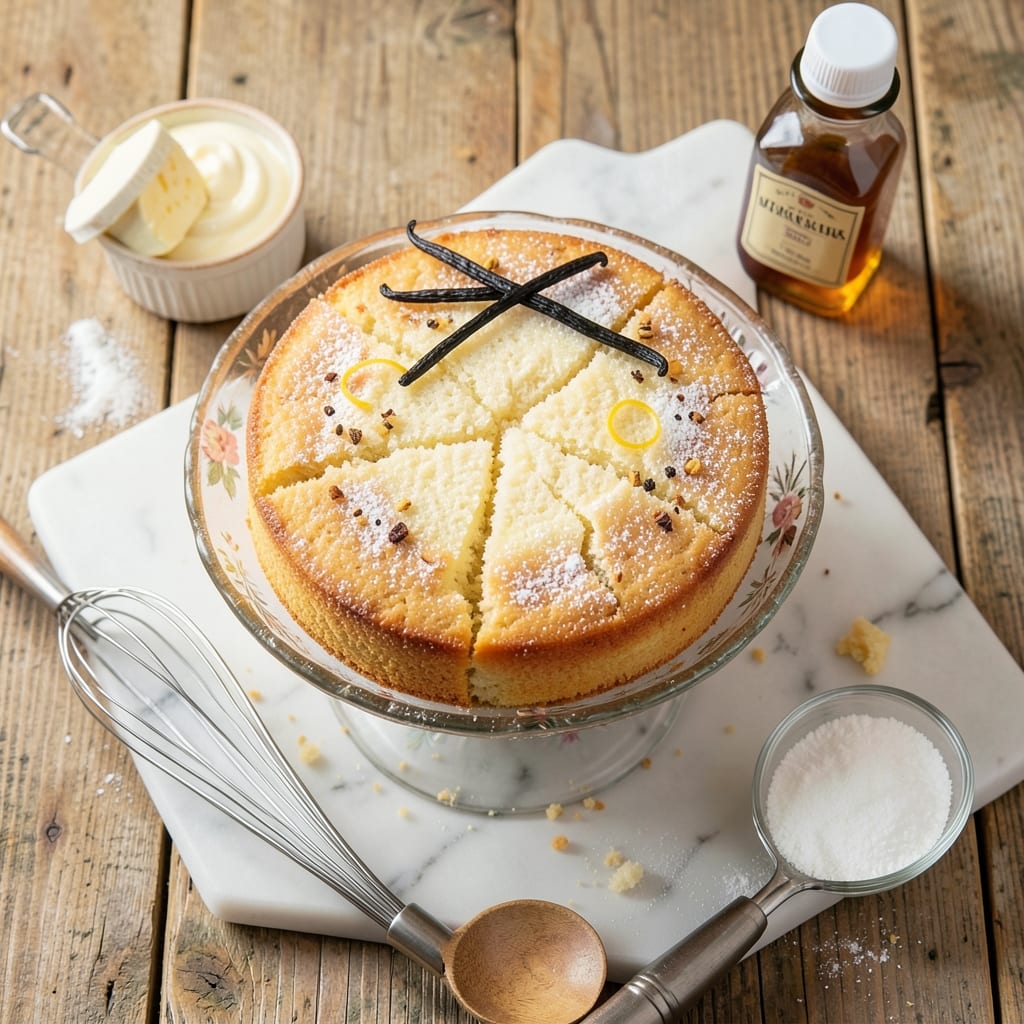
This 2 egg vanilla cake recipe delivers perfectly moist layers without the fuss of multiple pans or complicated techniques. The secret lies in a simple batter that relies on just two eggs to create tender, fluffy crumbs that stay fresh for days. I developed this recipe after years of baking test batches, and it consistently produces a cake that's light, airy, and never dry—no matter how long it sits.
The beauty of this method is its simplicity: no special equipment needed beyond a standard cake tin and mixing bowl. You'll use basic pantry staples like all-purpose flour, sugar, and vanilla extract, but the magic happens in the baking process. A single layer baked at the right temperature ensures even cooking, while the addition of buttermilk keeps the texture impossibly tender. It's the kind of cake that tastes homemade but requires less effort than you'd expect.
What makes this recipe truly stand out is how reliably it delivers that coveted moist texture—something many cakes struggle with. The butter and buttermilk work together to create a crumb that's soft yet sturdy enough to hold up to frosting or fruit toppings. Whether you're serving it at a birthday celebration or enjoying a slice with afternoon tea, this cake will impress without requiring advanced baking skills.
Perfect for beginners and experienced bakers alike, this recipe scales easily for any occasion. The single tin method means less cleanup, and the simple ingredient list ensures you won't be scrambling for hard-to-find items. Let's get started on creating a cake that's as delicious as it is easy to make.
Ingredients for 2 egg vanilla cake
Nine simple ingredients create a cake that's light, tender, and reliably moist every time.
| Ingredient | Amount | Notes |
|---|---|---|
| All-Purpose Flour 🌾 | 2 ½ cups | Sifted for even texture |
| Granulated Sugar 🍚 | 1 ½ cups | White or light brown |
| Unsalted Butter 🧈 | 1 cup | Room temperature, cubed |
| Large Eggs 🥚 | 2 whole | Room temperature |
| Buttermilk 🥛 | 1 cup | Full-fat preferred |
| Pure Vanilla Extract 🍯 | 2 tsp | High-quality preferred |
| Baking Powder 🧂 | 2 tsp | Diamond Crystal preferred |
| Salt 🧂 | ½ tsp | Fine sea salt |
| Vegetable Oil 🫒 | ¼ cup | Light, neutral flavor |
The butter and buttermilk are the stars here—both work together to create that signature soft crumb. Use unsalted butter (salted will alter the flavor balance), and make sure it's room temperature—cold butter creates dense layers. For the buttermilk, Whole Foods or Kroger sell the full-fat version, which gives the best texture. If you can't find buttermilk, mix 1 cup milk with 1 tbsp vinegar or lemon juice and let it sit for 5 minutes. The vanilla extract matters too—Nielsen-Massey or McCormick are reliable brands, but any pure extract will work. The flour should be sifted to avoid a dense cake, and King Arthur or Gold Medal brands are ideal for consistent results.
No buttermilk? Substitute with plain yogurt or sour cream at the same quantity. Short on butter? Use an extra 0.25 cup of vegetable oil—just don't skip the fat entirely. The baking powder is crucial for lift, but if you're using double-acting, make sure it's fresh (old baking powder loses potency). For the sugar, light brown sugar adds subtle depth, but white sugar keeps it classic. The vanilla extract can be imitation, but pure vanilla extract delivers the best flavor. If you're in a pinch, vanilla sugar or vanilla bean paste work too—just adjust the amount to taste. The vegetable oil keeps the cake tender, so don't substitute with solid fats like shortening.
This cake stays moist for 4-5 days when wrapped tightly in plastic at room temperature. For longer storage, slice and freeze portions in an airtight container for up to 3 months. The batter can be mixed ahead and refrigerated for up to 24 hours—just let it sit at room temperature for 30 minutes before baking. Leftovers reheat beautifully in the microwave for 10-15 seconds. I always bake two cakes at once—they freeze perfectly for future celebrations, and you can pull one out whenever you need a treat.
Why You'll Love This Recipe
- Here’s what sold me: it uses half the butter of most vanilla cakes, and the buttermilk replaces expensive buttermilk substitutes. Two eggs mean fewer leftovers to waste, and the sugar isn’t overpowering, so you can even use less if you’re watching portions. Frugal? Absolutely. Delicious? Ridiculously.
- No-Mix Needed: I swear by this recipe because it’s actually a dump-and-bake. Just fold the dry ingredients into the wet—no sifting, no creaming butter and sugar until it’s pale yellow. The buttermilk keeps it tender without overworking, and the eggs bind everything so smoothly, you’ll wonder why you ever baked from scratch.
- Vanilla Kiss: That buttermilk isn’t just for moisture—it adds this subtle tang that cuts through the sweetness, making every bite feel like a hug. And honestly? The two eggs make it rich without being heavy, so the vanilla flavor shines through like it’s the star. (Yes, even on a Tuesday night.)
- Leftover Hero: This cake stays fresh for days, which is a game-changer when you’re meal prepping. Slice it for breakfast toast, crumble it into yogurt, or stash it in the freezer for a last-minute dessert. The texture holds up better than most cakes I’ve tried—no dry edges, no sad crumbs.
Step-by-step instructions for 2 egg vanilla cake
Here's how to bake a perfectly moist vanilla cake with tender layers in a single pan.
Prepare Your Ingredients and Equipment
First, sift together the 2.5 cups all-purpose flour, 2 teaspoons baking powder, and 0.5 teaspoon salt in a medium bowl. This ensures your cake will have a light, airy texture without dense pockets. Set aside while you prepare the wet ingredients.
Place the 1 cup unsalted butter and 1.5 cups granulated sugar in the bowl of a stand mixer fitted with the paddle attachment. I like to use room temperature butter here—it incorporates more smoothly and creates a creamier batter. If your butter is too cold, let it sit at room temperature for 30 minutes before starting.
Cream Butter and Sugar to Lighten the Mixture
Beat the butter and sugar on medium speed for 3-4 minutes until the mixture is light and fluffy, nearly doubling in volume. You'll see it go from pale to a creamy, almost ribbony consistency. This step is crucial—it incorporates air into the batter, which helps create that signature tender crumb.
Here's the thing—if you rush this step, your cake will be dense. You're looking for a texture that's light enough to leave a trail when the paddle pulls through. Scrape down the sides of the bowl with a spatula to ensure everything is evenly combined before moving on.
Add Eggs and Buttermilk for Moisture
Add the 2 whole large eggs, one at a time, mixing well after each addition. Then add the 1 cup buttermilk and 2 teaspoons pure vanilla extract, mixing on low speed until just combined. The buttermilk adds moisture and tenderness, while the vanilla extract infuses that classic vanilla flavor throughout.
I always use room temperature eggs for this recipe—they blend more smoothly and help create a more even texture. If your eggs are straight from the fridge, let them sit in warm water for 5 minutes before adding them to the mixture.
Combine Dry Ingredients and Bake
With the mixer running on low speed, gradually add the sifted dry ingredients to the wet mixture. Mix just until combined—you should still see some flour streaks. Overmixing develops gluten, which can make your cake tough. Once combined, pour the batter into a greased and floured 9-inch round cake pan or 9x13-inch baking pan, depending on your preference.
Bake in a preheated 350°F oven for 30-35 minutes (for the 9-inch pan) or 40-45 minutes (for the 9x13-inch pan), until a toothpick inserted into the center comes out clean. The cake should spring back slightly when gently pressed in the center—this is your sign that it's fully baked.
Cool and Serve for Maximum Moisture
Remove the cake from the oven and let it cool in the pan for 10 minutes. Then transfer it to a wire rack to cool completely. I know it's tempting to dig in right away, but letting it cool completely helps the layers set properly and prevents a gummy texture.
Once fully cooled, you can slice and serve. This cake stays moist for days when stored properly—wrap it tightly in plastic wrap or place it in an airtight container. For extra moisture, you can brush the top with a simple vanilla glaze made from powdered sugar and milk, but the cake is delicious on its own too.
Pro Tips For Making 2 Egg Vanilla Cake
- MEASURE FLUIDS FIRST: Butter and buttermilk are your cake’s soul—weigh them in grams if you can, but if not, use a liquid measuring cup for both. Pack the flour lightly into the cup (no shaking), then level it off. I learned this the hard way when my cake turned dense because I scooped flour straight from the bag.
- WHISK EGGS UNTIL PALE: Beat those eggs with sugar until they’re thick and nearly white—about 3-5 minutes. Stop when a ribbon forms when you lift the whisk. I used to skip this, and the cake always tasted flat. This step adds air and richness, especially with just two eggs.
- BAKE UNTIL COOLER THAN YOU THINK: Pull the cake out when the center reads 205°F (96°C) on an instant-read thermometer—it’ll still jiggle slightly. Letting it cool in the pan for 10 minutes keeps it from collapsing. I’ve seen too many cakes sink because someone overbaked or rushed the cooling.
- SWAP BUTTERMILK FOR SOUR CREAM: Need a shortcut? Mix ¾ cup sour cream with ¼ cup milk to replace the buttermilk. It keeps the cake moist longer and adds a subtle tang. I only do this when I’m lazy, but the texture is noticeably better—softer and less crumbly.
Perfect pairings for this 2 egg vanilla cake
Frosting Options
This cake pairs beautifully with a vanilla buttercream—whip ½ cup unsalted butter with 2 cups powdered sugar and 2 tbsp milk until smooth. Add 1 tsp vanilla extract for extra flavor. For a lighter touch, try a cream cheese frosting made with 8 oz cream cheese, ½ cup butter, and 3 cups powdered sugar. Both keep the cake moist while adding sweetness. 🍰
Fruit Toppings
Fresh berries like strawberries, raspberries, or blueberries add vibrant color and natural sweetness. Arrange them on top just before serving to keep the cake looking fresh. For a tropical twist, slice mango or pineapple and drizzle with a little honey. The acidity of the fruit balances the cake’s sweetness perfectly.
Creamy Fillings
A layer of whipped cream or pastry cream between two cake layers elevates this simple dessert. For pastry cream, heat 1 cup milk with 3 tbsp cornstarch and 2 tbsp sugar, then whisk in 2 egg yolks. Cook until thickened, then chill before assembling. Whipped cream is even easier—just whip 1 cup heavy cream with 2 tbsp powdered sugar until soft peaks form.
Warm Spice Pairings
Add warmth with a sprinkle of cinnamon or nutmeg on top. A dusting of powdered sugar with a pinch of cardamom adds an elegant touch. For extra depth, brush the cake with a warm caramel sauce—simmer 1 cup sugar with ½ cup water and 2 tbsp butter until golden, then cool slightly. The caramel’s richness complements the cake’s tender crumb beautifully. 🌟
Coffee or Tea Pairings
Serve slices with a hot cup of coffee or Earl Grey tea to enhance the vanilla flavors. For a boozy twist, pair with vanilla chai latte or espresso. The bitterness of coffee cuts through the cake’s sweetness, while tea’s floral notes complement the vanilla. If you prefer alcohol, a glass of cold milk or sparkling lemonade works perfectly too.
Nutrition facts
Frequently asked questions
Why does this recipe only use 2 eggs?
The 2 eggs create a perfectly balanced texture—enough structure for a tender crumb without making the cake too dense. The buttermilk and butter work together to maintain moisture, so fewer eggs are needed. This also makes the recipe more budget-friendly while keeping the cake rich and flavorful.
Can I make this cake without buttermilk?
Yes! Substitute with 1 cup plain yogurt or sour cream, or mix 1 cup milk with 1 tbsp vinegar or lemon juice and let it sit for 5 minutes to curdle. These alternatives keep the cake moist and tender, just like the original recipe.
Will this cake be too dry if baked ahead?
Not at all! This recipe stays moist for 4-5 days when wrapped tightly in plastic. For longer storage, slice and freeze portions in an airtight container for up to 3 months. The butter and buttermilk preserve freshness, so you won’t get a dry crumb even after baking.
How do I prevent cracking on top?
Cracking usually happens from overbaking or opening the oven too soon. Bake until a toothpick comes out clean, then let the cake cool in the pan for 10 minutes before transferring. Avoid overmixing the batter—just combine until no flour streaks remain. A 9-inch round pan also helps prevent excessive spreading.
Can I use this recipe for a gluten-free version?
Yes, but you’ll need a 1:1 gluten-free flour blend (like Bob’s Red Mill) and add ½ tsp xanthan gum if your blend doesn’t include it. Reduce baking powder to 1.5 tsp and increase buttermilk to 1.25 cups for extra moisture. The texture will be slightly denser but still delicious.