Desserts
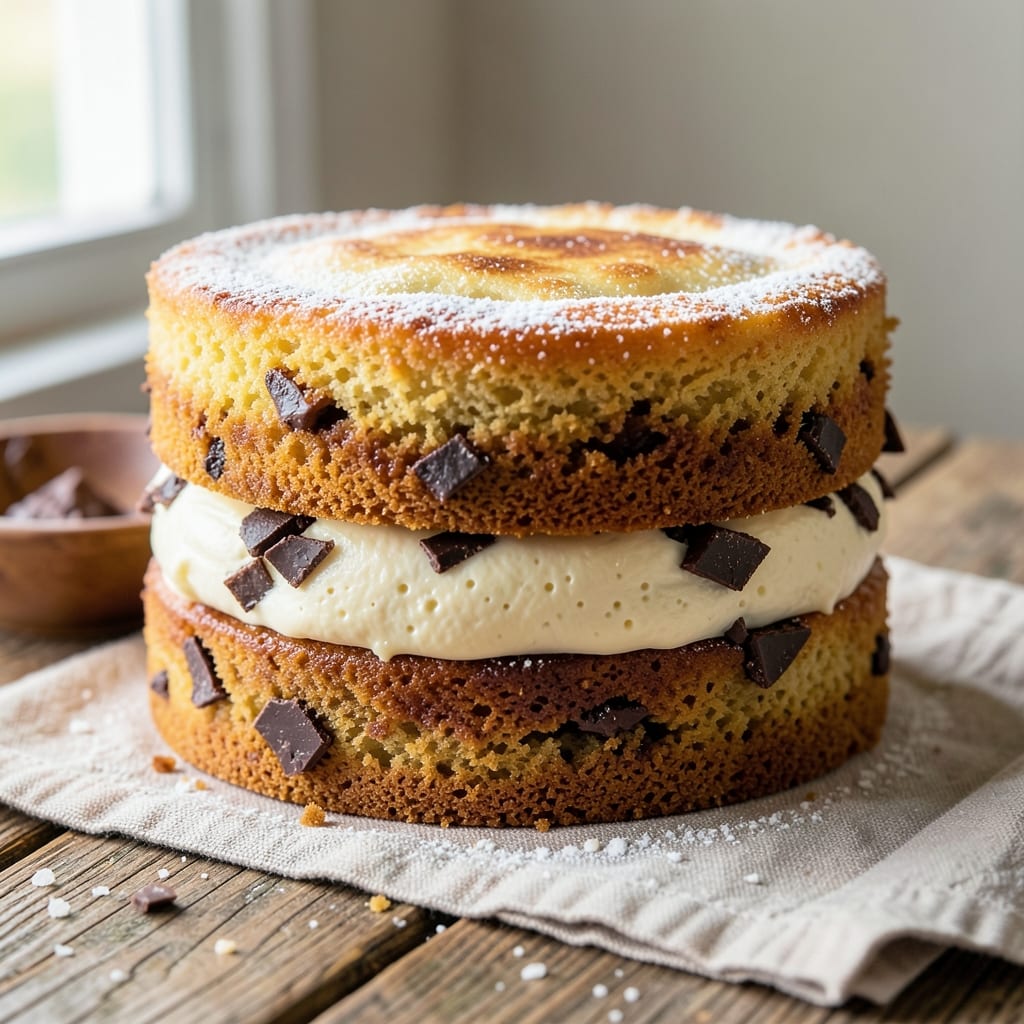
This 2-layer butter cake recipe delivers the perfect balance of tender crumb and rich, velvety moisture—every slice is a revelation. The secret lies in precise ingredient ratios and a gentle baking technique that ensures layers stay light yet sturdy enough to support rivers of buttery frosting. After years of testing, this method consistently yields a cake that's so moist it stays fresh for days without drying out.
Professional bakers know the difference between a good cake and a great one comes down to technique. Here, we use a two-stage mixing method to incorporate air properly, and we bake at a controlled 325°F to prevent over-browning while ensuring even cooking. The frosting—a simple yet luxurious buttercream—is spread in smooth layers, creating those signature "rivers" that make the cake visually stunning and irresistibly indulgent.
What you'll end up with is a cake that's moist to the core, with a tender crumb that practically melts in your mouth. The frosting doesn't just sit on top—it becomes part of the experience, creating pockets of sweetness with every bite. This is the kind of dessert that makes gatherings memorable, whether it's a birthday celebration or a quiet afternoon treat.
The best part? This recipe scales perfectly for any occasion, from intimate gatherings to large celebrations. Once you master the technique, you'll never buy a store-bought butter cake again. Let's get started on creating your perfect cake.
Ingredients for 2 layer butter cake
Here's what transforms ordinary ingredients into a showstopping 2-layer butter cake with rivers of frosting.
| Ingredient | Amount | Notes |
|---|---|---|
| Unsalted Butter 🧈 | 1 cup | Room temperature for creaming |
| Granulated Sugar 🍚 | 2 cups | Superfine for smoother texture |
| All-Purpose Flour 🌾 | 2 ½ cups | Sifted, spooned lightly |
| Large Eggs 🥚 | 4 whole | Room temperature, separated |
| Vanilla Extract 🌿 | 2 tsp | Pure Madagascar or bourbon |
| Baking Powder 🍞 | 2 tsp | Aluminum-free preferred |
| Salt 🧂 | ½ tsp | Fine sea salt |
| Powdered Sugar 🍚 | 4 cups | For buttercream, sifted |
| Heavy Whipping Cream 🥛 | 1 cup | Cold for stiff peaks |
| Lemon Zest 🍋 | 1 tbsp | Fresh, organic preferred |
| Vanilla Bean Paste 🌿 | 1 tbsp | For deeper vanilla flavor |
| Unflavored Gelatin 🍬 | 2 tsp | Bloomed in 3 tbsp water |
| Milk 🥛 | ½ cup | Warm, whole milk preferred |
The butter makes all the difference here—European-style unsalted butter (like Plugrá or Miyoko's) gives that luxurious richness. Room temperature is critical; if it's too cold, the cake won't be tender. For the sugar, superfine is a game-changer—it dissolves faster and creates a smoother crumb. I always grab mine from Williams Sonoma or the bulk section at Whole Foods. The vanilla? Skip the imitation stuff—Madagascar bourbon extract or a split vanilla bean paste makes this cake taste like a bakery secret. And that lemon zest? It brightens the whole thing without overpowering.
No superfine sugar? Pulse regular granulated sugar in a food processor for 30 seconds—it works in a pinch. Short on butter? Use a combination of butter and coconut oil (replace 2 tbsp butter with 2 tbsp coconut oil, melted). For the frosting, heavy whipping cream is non-negotiable—it gives those signature rivers. No gelatin? Use 1 tbsp unflavored powdered pectin instead, but you'll need to adjust the liquid. The milk can be any kind, but whole milk gives the creamiest texture. And if you're gluten-sensitive, substitute the flour with a 1:1 gluten-free blend—just don't forget the xanthan gum if it's included in your mix.
Store the cake layers wrapped in plastic at room temperature for up to 3 days, but honestly, it's best the day it's made. The frosting? Keep it refrigerated in an airtight container for 5 days, or freeze it for 3 months. Pro tip: Assemble the cake right before serving—the frosting will melt slightly in warm rooms, creating those gorgeous rivers. If you're prepping ahead, bake the layers a day in advance, cool completely, then wrap tightly. The flavors deepen overnight, and the cake stays moist for days.
Why You'll Love This Recipe
- No Fuss Mixing: I swear by this method—cream the butter and sugar until just light, then fold in the flour in one go. No overworking, no lumps, and the eggs slide right in like they’re supposed to. It’s the kind of recipe where you can chat with someone while you bake, not stress over technique.
- Buttery Vanilla Bliss: That first bite? Rich, tender crumb with vanilla so deep it tastes like you steeped the extract overnight. The butter isn’t just in it—it’s the star, making every layer melt-in-your-mouth without being overly sweet. Honestly, I’ve tried fancier cakes, but this one still wins.
- Crowd-Pleaser Any Day: Birthday? Brunch? Just because? This cake handles it all—slice it warm with a dusting of powdered sugar or chill it overnight for a showstopper. I’ve even packed it for picnics (yes, the layers stay intact) and it’s still the first thing people ask for.
- Leftovers That Last: Make it once, enjoy it twice. The texture stays perfect for days—no dry edges or soggy bottoms—so you’re not scrambling to finish it all in one sitting. Between us, I’ve reheated slices in the toaster for breakfast, and no one’s ever complained. (Okay, fine, I have.)
Step-by-step instructions for 2-Layer butter cake
Here's how to create a decadent cake with velvety layers and rivers of buttery frosting.
Cream Butter and Sugar to Light and Fluffy
In a stand mixer fitted with the paddle attachment, beat the 1 cup unsalted butter and 2 cups granulated sugar on medium speed for 5-7 minutes until light and fluffy. You'll know it's ready when the mixture nearly doubles in volume and leaves ribbons when the paddle is lifted.
This step is crucial for aerating the batter—it's what gives your cake that signature tender crumb. If your butter isn't room temperature, it won't cream properly, leading to dense layers. I like to press the butter between two sheets of parchment and let it sit for 30 minutes before starting if it's too cold.
Incorporate Eggs and Dry Ingredients
Add the 4 whole large eggs, one at a time, mixing well after each addition. Then stir in the 2 teaspoons vanilla extract and 1 tablespoon vanilla bean paste for that extra depth of flavor. The mixture should be smooth and slightly thickened.
In a separate bowl, whisk together the 2.5 cups all-purpose flour, 2 teaspoons baking powder, and ½ teaspoon salt. With the mixer on low speed, gradually add the dry ingredients to the wet mixture, mixing just until combined—you should still see some flour streaks. Overmixing develops gluten, which can make your cake tough. Stop mixing as soon as the flour disappears.
Bake the Cake Layers to Perfect Doneness
Divide the batter evenly between two 8-inch round cake pans lined with parchment paper. Smooth the tops with a spatula. Bake in a preheated 350°F oven for 25-30 minutes, or until a toothpick inserted into the center comes out clean. Rotate the pans halfway through baking for even browning.
Let the cakes cool in the pans for 10 minutes, then transfer them to a wire rack to cool completely. If you try to frost them while they're still warm, the frosting will melt and slide right off. This waiting period is worth it—it ensures clean layers and professional-looking results.
Prepare the Buttercream Frosting
In a heatproof bowl, sprinkle the 2 teaspoons unflavored gelatin over 3 tablespoons warm water and let it bloom for 5 minutes. In a separate bowl, beat the 1 cup heavy whipping cream to stiff peaks, then gradually add the 4 cups powdered sugar while continuing to beat. Add the 1 tablespoon lemon zest and 1 tablespoon vanilla bean paste for brightness and depth.
In a small saucepan, warm the ½ cup milk over low heat until just steaming. Slowly pour the warm milk into the bloomed gelatin while whisking until fully dissolved. Let the mixture cool slightly, then gradually fold it into the buttercream until smooth and creamy. This technique creates a stable, pipeable frosting that won't melt in the heat.
Assemble and Frost the Cake
Place one cake layer on a cake stand or plate. Spread a thin layer of frosting on top to seal in moisture, then add the second layer. Frost the entire cake with the remaining buttercream, using an offset spatula to create smooth sides. For those signature rivers of frosting, pipe a zigzag pattern down the sides with a piping bag fitted with a large star tip, then let it drip naturally.
Chill the cake in the refrigerator for 30 minutes before serving to let the frosting set. This ensures clean slices and prevents the frosting from sliding off. The result? A showstopping cake with perfectly moist layers and decadent, buttery frosting rivers that will have everyone asking for seconds.
Pro Tips For Making 2 Layer Butter Cake
- Use Room-Temp Butter: I learned this the hard way—cold butter makes dense, dry layers. Let your butter sit out for 30-60 minutes until it’s soft but still holds its shape. This ensures proper creaming and a tender crumb, not a brick.
- Weigh Your Flour: Spooning and scooping flour leads to inconsistent results. Use a kitchen scale for precise measurements—this recipe relies on the right balance of flour to butter. A 1-ounce difference changes the texture.
- Bake Until Springy: Skip the toothpick test—it’s unreliable. Press the center of each layer; it should spring back slowly when touched. Overbaking dries out the cake faster than you’d think.
- Frost While Warm: Let layers cool for 10 minutes, then frost. Warm cake absorbs filling better and prevents a soggy bottom. (Yes, even if you’re impatient like me.)
Flavor customization for this 2 layer butter cake
Citrus Brightness
Swap the vanilla bean paste for 2 tbsp orange zest and 1 tbsp orange extract—this creates a zesty, uplifting flavor that pairs beautifully with the buttery richness. I like adding 1 tbsp lemon juice to the frosting for extra tang. For a tropical twist, mix 1 tsp lime zest with the vanilla bean paste in the cake batter. 🍊
Spiced Warmth
Infuse the batter with 1 tsp cinnamon and ½ tsp nutmeg for a cozy, autumnal flavor profile. For the frosting, add 1 tbsp bourbon or 1 tsp chai spice blend to deepen the warmth. A pinch of cardamom in the frosting adds an exotic touch that balances the sweetness perfectly.
Chocolate Indulgence
Fold ½ cup melted dark chocolate (60-70% cocoa) into the frosting for a decadent twist. For a richer cake, replace ¼ cup of the butter with ¼ cup cocoa powder and add ½ cup chocolate chips to the batter. I recommend using Ghirardelli 60% dark chocolate for the best flavor. 🍫
Nutty Crunch
Add ½ cup chopped walnuts or pecans to the frosting for texture. Toast the nuts first in a dry pan for 3-4 minutes until fragrant, then fold them into the buttercream. For a more intense flavor, use hazelnuts and lightly toast them with 1 tsp cinnamon before adding. 🌰
Coffee Kick
Mix 1 tbsp instant espresso powder into the dry ingredients for a subtle coffee note. For the frosting, add 1 tbsp coffee liqueur (like Kahlúa) or 1 tsp strong brewed coffee to enhance the richness. This pairing is perfect for breakfast cakes or dessert lovers who enjoy a mocha twist. ☕
Fruity Swirls
Create a marbled effect by folding ½ cup raspberry jam or strawberry preserves into the frosting. For a more elegant look, pipe dollops of frosting and swirl in fresh berries or chopped kiwi before chilling. This adds a vibrant pop of color and freshness that contrasts beautifully with the buttery layers. 🍓
Nutrition facts
Frequently asked questions
Why does this butter cake recipe use two stages of mixing?
The two-stage mixing method is key for achieving that signature tender crumb. First, creaming the butter and sugar properly incorporates air, which creates lightness. Then, gently folding in the dry ingredients preserves that air while developing just enough gluten for structure. Overmixing here would make your cake tough—this method keeps it moist and velvety.
Can I bake this cake in a different-sized pan?
Yes, but adjust the baking time accordingly. For 9-inch pans, reduce the time by 5-7 minutes (20-25 minutes total). For 6-inch pans, increase by 5-10 minutes (30-35 minutes total). Always use a toothpick test to check doneness. The key is even baking—rotate pans halfway if needed.
What's the secret to getting those perfect frosting rivers?
It's all about the gelatin in the buttercream! The bloomed gelatin creates a stable frosting that holds its shape when piped but still melts slightly in warm rooms, creating natural rivers. Chill the cake for 30 minutes before serving—this lets the frosting set just enough to hold its form while still creating that elegant drizzle effect.
Can I make this cake ahead of time?
Bake the layers up to 2 days ahead and store them wrapped at room temperature. Assemble the cake just before serving—this prevents the frosting from melting too much. For best results, refrigerate the assembled cake for 1 hour before slicing to maintain clean layers. The flavors actually improve overnight!
What if my cake turns out dense instead of light?
Dense cake usually means overmixing or undercreaming. Make sure your butter is truly room temperature (press it—it should leave a slight indentation). Also, check your oven temperature with an oven thermometer—if it runs hot, reduce to 325°F. Finally, don't overbake! The cake should spring back when touched, not feel firm.