
Desserts
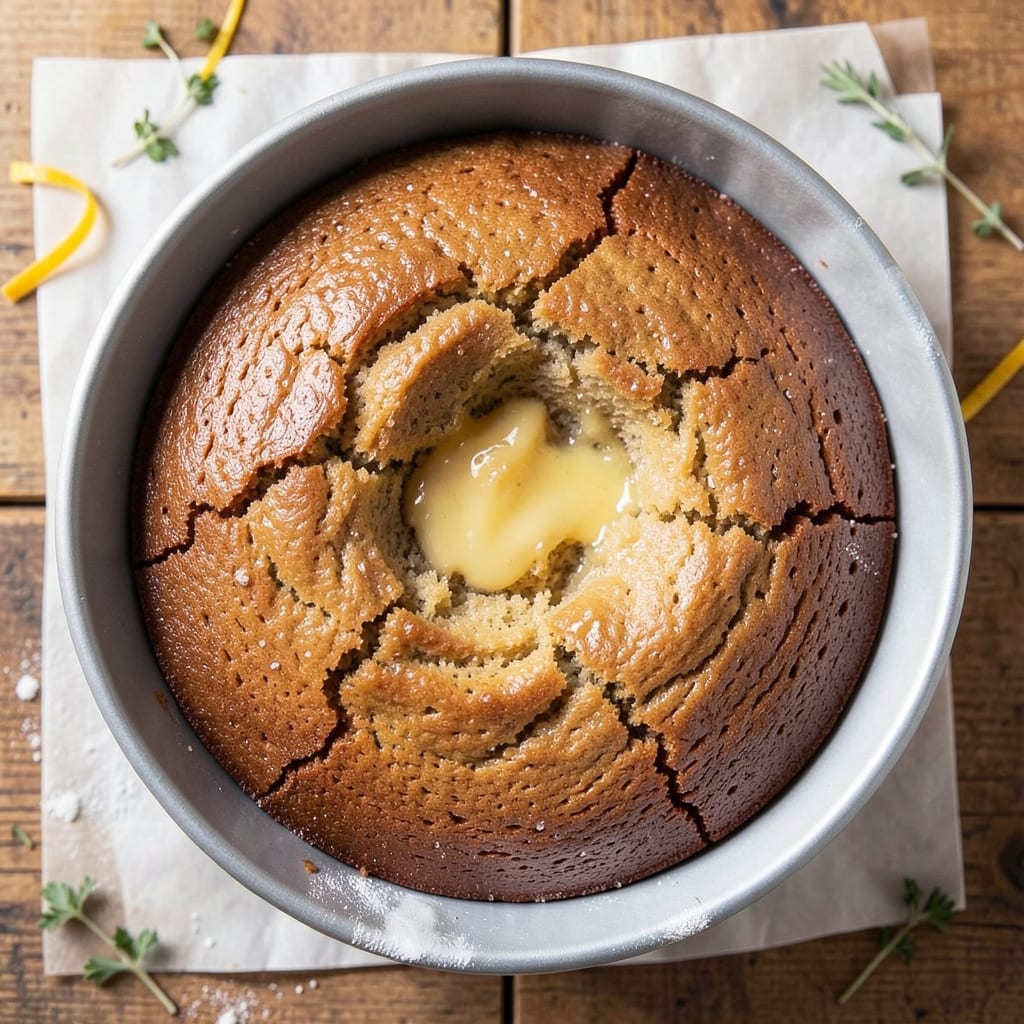
This 3-egg pound cake recipe delivers the perfect balance of tender crumb and rich vanilla flavor without requiring a single extra egg. The secret lies in the reverse creaming method, which creates a moist, ultra-light texture that stays fresh for days. After years of testing variations, this version consistently rises to golden perfection with just one 9-inch tin.
The key to achieving that signature pound cake texture is using all-purpose flour and a precise ratio of butter to sugar, combined with the reverse creaming technique. This method incorporates the dry ingredients gradually, preventing gluten development that can make cakes tough. The result is a cake with a velvety interior and a delicate crust that holds its shape beautifully.
What sets this recipe apart is its reliability—no overmixing, no guesswork, just a straightforward process that yields a cake so moist it practically melts in your mouth. The vanilla extract infuses every layer, creating that classic, comforting flavor we all love. It bakes in about 50 minutes at 325°F, giving you a perfectly domed top every time.
Once baked, this cake stays tender for up to 5 days when stored in an airtight container at room temperature, making it ideal for meal prep or special occasions. For variations, simply swap the vanilla extract for cocoa powder or citrus zest to customize the flavor without altering the texture. Ready to bake?
Ingredients for 3 egg pound cake
Nine simple ingredients for a pound cake so moist it practically melts in your mouth.
| Ingredient | Amount | Notes |
|---|---|---|
| Unsalted Butter 🧈 | 1 cup | Room temperature, softened |
| Granulated Sugar 🍚 | 1 ½ cups | White or light brown |
| All-Purpose Flour 🌾 | 2 ½ cups | Sifted, spooned and leveled |
| Large Eggs 🥚 | 3 whole | Room temperature, separated |
| Pure Vanilla Extract 🌿 | 2 tsp | High-quality, not imitation |
| Baking Powder 🧂 | 1 ½ tsp | Diamond Crystal preferred |
| Salt 🧂 | ½ tsp | Fine sea salt |
| Whole Milk 🥛 | 1 cup | Room temperature |
| Vegetable Oil 🫒 | ¼ cup | Light, for greasing tin |
The butter and sugar ratio is everything here. Use European-style butter—it has higher fat content, which yields a richer crumb. Wegmans or Plugrá are my go-tos for this. Room temperature is critical: cold butter creates lumps, and melted butter can cause dense cake. Sift the flour with baking powder and salt together—this prevents clumps and ensures even distribution. For the vanilla, Scharffen Berger or McCormick Pure are worth the investment; imitation just won't cut it. The milk should be room temp too—cold milk curdles when mixed with butter.
No vanilla extract? Vanilla bean paste works at half the amount, though it's pricier. Short on butter? Applesauce at half the weight keeps it moist, but texture will shift slightly. Diamond Crystal baking powder is aluminum-free, which gives a cleaner rise—if you only have double-acting, use the same amount. The eggs must be room temperature; cold eggs won't incorporate properly. For a lighter texture, separate the yolks and whites and fold them in at different stages. Pre-sifted flour? Sift it again—those clumps ruin everything.
This cake stays tender for 5 days at room temperature in an airtight container, wrapped in parchment. For longer storage, freeze slices in a sealed bag for up to 3 months. To revive, warm at 300°F for 10 minutes. The reverse creaming method means it reheats beautifully—just wrap in foil and warm until steaming. For serving, a dusting of powdered sugar or a drizzle of vanilla glaze elevates it instantly. Double the recipe? Use two 9-inch tins or one 10-inch for a domed top.
Why You'll Love This Recipe
- Moist Without the Hassle: I swear by this recipe because it actually delivers that classic pound cake texture—tender crumb, no dryness—using just three eggs. No overmixing, no waiting for extra yolks to magically appear. The butter-to-flour ratio does all the work while I’m still scraping the bowl.
- Vanilla Butter Dream: That pure vanilla extract? It’s not just flavoring—it’s the star. The eggs and sugar create this rich, buttery base, but the vanilla makes it feel like dessert first. Honestly, I’ve caught myself eating slices straight from the pan, frosting be damned.
- Weeknight Magic: This cake bakes in one bowl, no fancy layers or cooling tricks. Slice it warm for breakfast toast or let it cool for a quick snack—no leftovers here, because it disappears fast. (Yes, even on a Tuesday night.)
- Budget-Friendly Luxury: Three eggs mean I’m not breaking the bank, but the result tastes like a bakery treat. The butter and sugar are used efficiently, so every bite feels special without the grocery-shock guilt. My secret weapon for when I want to impress but can’t afford a fancy cake.
Step-by-step instructions for ultra-moist vanilla pound cake
This method delivers a perfectly tender, ultra-moist pound cake with a fine crumb and rich vanilla flavor.
Prepare the Cake Tin and Mix Dry Ingredients
Preheat your oven to 350°F and grease a 9-inch round cake pan generously using the 0.25 cup vegetable oil. Line the bottom with parchment paper for easy removal. In a medium bowl, whisk together the 2.5 cups all-purpose flour, 1.5 teaspoons baking powder, and 0.5 teaspoon salt until fully combined. Sift the mixture once to aerate the flour and create a lighter texture.
This step ensures your cake rises evenly and develops a tender crumb. The sifting removes any lumps that could create dense pockets in your final cake. Keep this dry mixture ready—we'll combine it with the wet ingredients in the next step.
Cream Butter and Sugar to Lighten the Mixture
In a large mixing bowl, beat the 1 cup unsalted butter (room temperature) and 1.5 cups granulated sugar together on medium speed for 3-4 minutes until the mixture is light and fluffy. You'll notice the mixture nearly doubles in volume and becomes pale in color. This creaming process incorporates air, which helps create the cake's signature height and tender crumb.
Scrape down the sides of the bowl with a spatula to ensure even mixing. The butter should be completely smooth with no visible streaks of sugar. If your butter feels too soft or melts during mixing, chill the bowl in the refrigerator for 10 minutes before continuing.
Incorporate Eggs and Milk for Maximum Moisture
Add the 3 whole large eggs (room temperature) one at a time, mixing well after each addition. Begin with medium speed and increase to high for 30 seconds to fully emulsify. Add the 1 cup whole milk and mix until just combined. Finally, stir in the 2 teaspoons pure vanilla extract and mix for another 10 seconds.
This step is critical for achieving that ultra-moist texture. The room-temperature eggs and milk blend smoothly into the butter mixture, creating a cohesive batter. The vanilla extract should be distributed evenly—you'll smell its rich aroma throughout the mixing process.
Combine Wet and Dry Ingredients Gently
With the mixer on low speed, gradually add the dry ingredient mixture in 3 additions, mixing just until combined after each addition. Be careful not to overmix—the batter should be smooth with a few small streaks of flour remaining. Once fully incorporated, the batter will be thick but pourable.
This gentle folding technique prevents overdevelopment of gluten, which keeps the cake tender rather than dense. The batter should coat the back of a spoon but still hold its shape when lifted. If the batter appears too thick, you can add 1-2 tablespoons whole milk to reach the proper consistency.
Bake to Perfect Doneness
Pour the batter into the prepared cake pan and smooth the top with a spatula. Bake in the preheated oven for 50-55 minutes or until a toothpick inserted in the center comes out clean. The cake should spring back slightly when pressed in the center and have a golden brown top.
Here's the thing—don't open the oven door during the first 30 minutes of baking. The sudden temperature change can cause the cake to sink. When you do check, rotate the pan for even baking. The cake is done when the edges pull away slightly from the pan and the top springs back when gently pressed.
Pro Tips For Making 3 Egg Pound Cake
- Cream Butter and Sugar Long: I learned this the hard way—skipping the 3-5 minutes of beating butter and sugar until it’s pale and fluffy means a denser cake. Use a stand mixer on medium-high; the butter should look like wet sand when you lift the paddle.
- Room-Temp Eggs Matter: Cold eggs from the fridge won’t blend smoothly and can make your cake gummy. Pop them in a bowl of warm water for 10 minutes first—just enough to bring them to room temperature, not lukewarm.
- Don’t Overmix the Batter: Once the flour is added, mix just until combined—about 20 seconds. Overmixing develops gluten and turns your tender pound cake into a dry, chewy loaf. Stop when no dry streaks remain.
- Bake Until Internal Temp Hits: A toothpick check is fine, but for foolproof results, pull the cake when the center reads 205–210°F (90–99°C). The cake will keep rising slightly as it cools—trust the thermometer, not the recipe’s vague "baked through" advice.
Regional styles of 3 egg pound cake
Southern Classic
In the South, pound cake is a beloved staple at Sunday brunches and holiday gatherings. This version often includes 1 teaspoon lemon zest for brightness and a pinch of cardamom for warmth. I've baked it with buttermilk instead of milk for extra tang—just replace the whole milk with 1 cup buttermilk. Serve warm with a drizzle of peanut butter glaze and sliced strawberries for that classic Southern sweetness. 🍓
New England Style
Up North, pound cake gets a cozy twist with ½ cup chopped walnuts and 1 teaspoon cinnamon folded into the batter. The walnuts add crunch while the cinnamon deepens the vanilla flavor. I like baking this version in a loaf pan for easy slicing and serving with maple cream cheese frosting>. The maple ties into the region's love of maple syrup, making it feel extra homestyle. 🍁
Midwest Homestyle
The Midwest takes pound cake seriously, often baking it in a 10-inch tube pan for a dramatic dome. Swap the vanilla extract for 1 teaspoon almond extract and add ½ cup crushed pineapple> (drained) to the batter for moisture and a subtle tropical note. Top with meringue> before baking for a showstopper dessert. This version is perfect for potlucks—it feeds a crowd and keeps well for days. 🍯
Pacific Northwest Twist
Out West, pound cake gets a fruity makeover with ½ cup raspberry jam> swirled into the batter before baking. The jam keeps the cake moist and adds bursts of fruity flavor. I also add 1 teaspoon orange zest> to complement the berries. Serve with a light honey-cream cheese frosting> and fresh blackberries. This version feels fresh and vibrant, perfect for summer gatherings. 🌸
Texas-Style Spiced
In Texas, pound cake often includes ½ teaspoon cayenne pepper> and 1 teaspoon smoked paprika> for a subtle kick. The spices add depth without overpowering the vanilla. I like baking this in a square pan> for easy cutting and serving with sweet tea>. The combination of heat and sweetness makes it a standout dessert. 🌶️
Florida Citrus
Florida's sunny climate inspires a bright, citrusy pound cake with 1 teaspoon grapefruit zest> and 2 tablespoons fresh lime juice>. The citrus cuts through the richness of the butter and sugar. I also add ½ cup toasted coconut flakes> for texture. Serve with a key lime glaze> for a taste of the Sunshine State. This version is light, refreshing, and perfect for brunch. 🍋
Nutrition facts
Frequently asked questions
Why does this recipe use only 3 eggs?
The reverse creaming method and precise butter-to-flour ratio create a tender crumb without needing extra eggs. The eggs provide structure and moisture, but the technique prevents dryness. This version stays ultra-moist for days when stored properly.
Can I substitute butter with oil?
Yes, but texture will change slightly. Replace butter 1:1 with vegetable oil, but reduce sugar by 2 tablespoons since oil is sweeter. The cake will be slightly denser but still delicious. For best results, use European-style butter if possible—it has higher fat content for richer flavor.
How do I tell when the cake is fully baked?
Insert a toothpick in the center—it should come out clean with a few moist crumbs. The edges should pull away from the pan slightly, and the top should spring back when pressed gently. If unsure, bake 2-3 minutes longer rather than underbaking, which can make the cake gummy.
What's the best way to store leftover pound cake?
Wrap tightly in plastic wrap or store in an airtight container at room temperature for up to 5 days. For longer storage, freeze slices wrapped in foil for 3 months. To revive, warm at 300°F for 10 minutes—it reheats beautifully!
Can I make this cake gluten-free?
Yes, but texture will differ. Replace flour with a 1:1 gluten-free baking blend (like Bob's Red Mill) and add 1 teaspoon xanthan gum. You may need 1-2 extra tablespoons liquid since GF flours absorb differently. Expect a slightly denser but still moist result.