
Desserts
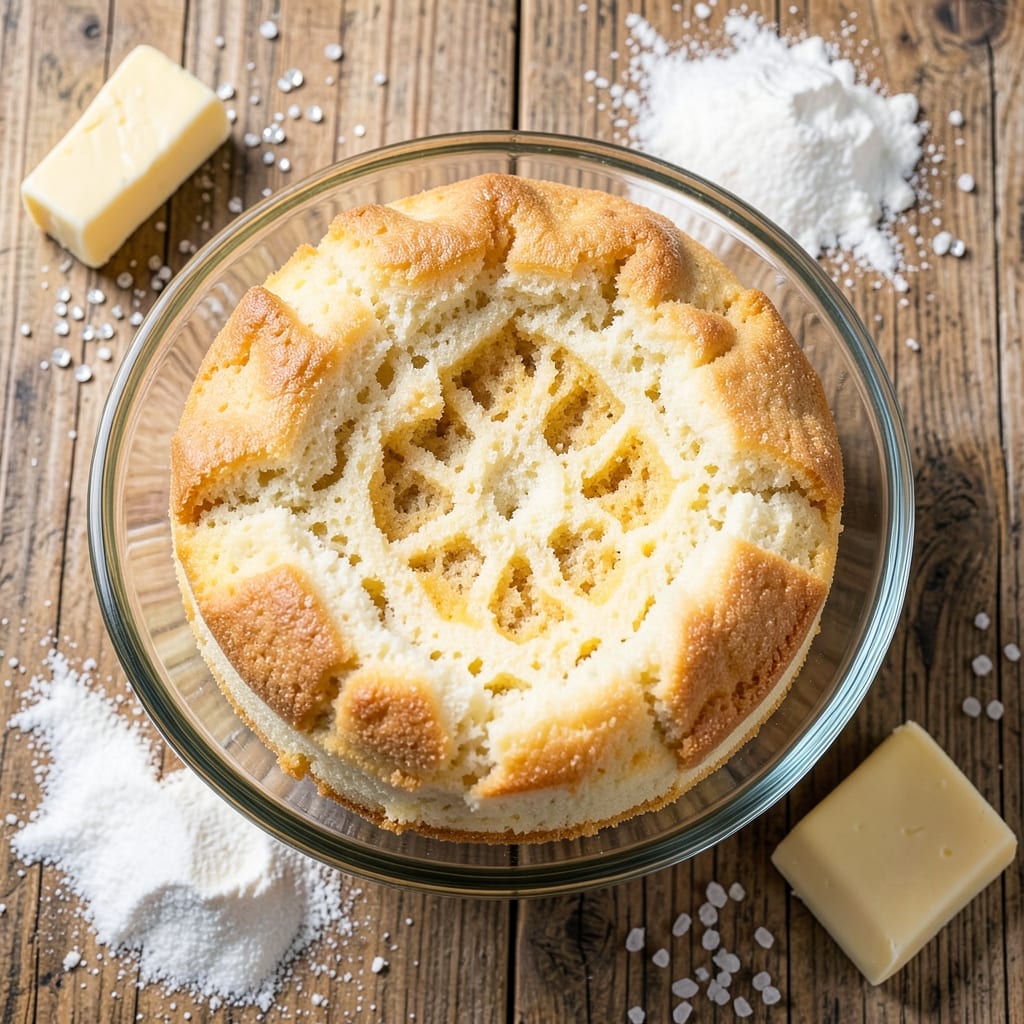
This 4-egg sponge cake recipe delivers the perfect balance of a golden, crisp exterior and an ultra-moist center—every slice reveals that tender surprise. The secret lies in precise egg incorporation and a gentle folding technique that creates light, airy layers without overmixing. I perfected this method after years of trial and error, ensuring it works reliably in home ovens. The foundation starts with room-temperature eggs and sugar, whipped to a pale ribbon stage before folding in dry ingredients. This method eliminates dense pockets while maintaining structure. A 350°F oven and 30-35 minutes of baking time guarantee even rise and that signature crisp shell. The result? A cake that holds its shape when sliced but melts in your mouth. What sets this apart is the moisture retention—no dry crumb here. The egg-to-flour ratio and proper baking time ensure each bite stays tender, while the exterior develops that satisfying crunch. This is the kind of cake that holds its own against fillings like lemon curd or chocolate ganache without falling apart. Perfect for birthdays, celebrations, or simple indulgence, this recipe scales easily. The professional technique is surprisingly approachable for home bakers. Let’s get started on creating your ideal sponge cake.
Ingredients for 4 egg sponge cake
Four eggs, precise folding, and room-temperature ingredients create the perfect golden shell with ultra-moist center.
| Ingredient | Amount | Notes |
|---|---|---|
| Large Eggs 🥚 | 4 whole | Room temperature, separated yolks/whites |
| Granulated Sugar 🍚 | 1 ½ cups | Superfine preferred for even dissolving |
| All-Purpose Flour 🌾 | 1 ½ cups | Sifted, spooned lightly |
| Unsalted Butter 🧈 | ½ cup | Room temperature, cubed |
| Baking Powder 🧂 | 1 ½ tsp | Diamond Crystal preferred |
| Salt 🧂 | ¼ tsp | Fine sea salt |
| Vanilla Extract 🌿 | 1 tsp | Pure Madagascar preferred |
| Whole Milk 🥛 | ¼ cup | Room temperature |
| Cornstarch 🌾 | 1 tbsp | For moisture retention |
| Cake Flour 🌾 | ½ cup | Optional for lighter texture |
The eggs must be room temperature—this is non-negotiable for proper emulsification. Whole Foods or high-end grocery stores carry eggs in the fridge longer than standard markets, so check the sell-by date. For the flour, King Arthur or Bob's Red Mill all-purpose flour works best when sifted—this prevents dense pockets. The butter should be room temperature but not melted, forming soft peaks when pressed. If you're using cake flour, Gold Medal is the most reliable brand for consistent results. Every ingredient plays a role in the moisture balance, so measure carefully—especially the cornstarch, which is the secret to that melt-in-your-mouth center.
No vanilla extract? Almond extract at half the amount works in a pinch, though the flavor profile differs. Running low on baking powder? Baking soda plus cream of tartar (½ tsp each) substitutes effectively. The milk can be swapped for evaporated milk or even Greek yogurt for added richness, but adjust the liquid-to-flour ratio if using yogurt. For a nutty depth, replace ¼ cup of the all-purpose flour with almond flour—just be aware it'll make the cake slightly denser. If you're baking at high altitude, reduce the baking powder by ¼ tsp to prevent over-rising, and consider adding 1 tbsp extra milk to compensate for drier conditions.
This cake stays fresh for 3 days at room temperature wrapped in plastic, but for longer storage, freeze fully baked layers in airtight containers for up to 3 months. To reheat, wrap slices in a damp paper towel and warm in a 350°F oven for 5-7 minutes—this restores moisture without making the exterior soggy. For make-ahead convenience, bake the cake 1 day ahead and store it in the fridge. The flavors deepen overnight, and the texture remains perfect for filling or frosting. If you're using this as a base for fillings, lemon curd or chocolate ganache pair best—both complement the delicate sweetness without overpowering it.
Why You'll Love This Recipe
- No Mixer Needed: I swear by this recipe when my mixer’s on the fritz—just whisk eggs and sugar until pale, then fold in flour. That butter gets whipped into submission by hand, and the result? Light as a cloud without the arm workout.
- Butter-Sugar Magic: The moment those eggs and sugar emulsify into ribbons? Pure joy. That rich butter keeps it moist, while the sugar caramelizes just enough to give every bite a subtle sweetness. Honestly, the first slice disappears faster than I can take a photo.
- Layer or Cut: Slice it thin for a breakfast sandwich, stack it for a dessert, or cube it into a trifle. The texture holds up—no crumbly mess. (Yes, even on a Tuesday night when I’m craving something fancy but don’t want to bake from scratch.)
- Pantry Staples Only: Four eggs, a stick of butter, flour, sugar, and baking powder—that’s it. No specialty ingredients, no last-minute grocery runs. I’ve made this with store-bought butter and still got a cake so good my picky husband didn’t complain. Budget-friendly? More like guilt-free.
Step-by-step instructions for perfect 4 egg sponge cake
Mastering this technique delivers a golden shell with a moist interior—every slice reveals the secret.
Separate Eggs and Whip Yolks with Sugar
Begin by separating the 4 whole large eggs, placing yolks in one bowl and whites in another. Add the 1.5 cups granulated sugar to the yolks and whisk vigorously until the mixture lightens and nearly doubles in volume. This process incorporates air, which creates the signature lightness of sponge cake.
I like to use a stand mixer for this step—set it to medium speed and whip for about 3-4 minutes until the mixture is pale and ribbons form when the whisk is lifted. The sugar should dissolve completely, leaving no gritty texture. This is your foundation for both structure and moisture in the final cake.
Incorporate Butter and Dry Ingredients
Add the 0.5 cup unsalted butter (cubed and room temperature) to the yolk mixture and whisk on low speed until fully incorporated. The butter should blend smoothly without leaving any lumps. Next, sift together the 1.5 cups all-purpose flour, 0.5 cup cake flour, 1.5 teaspoons baking powder, and 0.25 teaspoon salt into the bowl.
Gently fold the dry ingredients into the yolk mixture using a spatula, mixing just until combined. Overmixing develops gluten, which can make the cake dense. The batter should be smooth and slightly thick—like a thick pancake batter. This is where the cake's structure begins to form.
Whip Egg Whites to Stiff Peaks
In a separate, greased bowl, beat the egg whites on medium speed until soft peaks form. Gradually add the 1 tablespoon cornstarch and continue whipping until the whites reach stiff, glossy peaks that hold their shape when the whisk is lifted. This step is critical—cornstarch stabilizes the whites, preventing them from deflating when folded into the batter.
I find it helpful to add the cornstarch in two additions, whipping vigorously between each. The whites should be so thick that when you lift the whisk, the peaks stand straight up. This ensures maximum air incorporation for that light, airy texture we're after.
Fold Whites into Yolk Mixture
Using a spatula, gently fold one-third of the whipped egg whites into the yolk mixture to lighten it. Then fold in the remaining whites in two additions, being careful not to deflate them. The goal is to create a marbled effect with streaks of white throughout the batter. This folding technique maintains the air pockets created in both the yolks and whites.
Add the 0.25 cup whole milk and 1 teaspoon vanilla extract to the batter and fold gently until just combined. The batter should be thick but pourable. Real talk: If it looks too stiff, don't force it—just fold until the whites are evenly distributed. The cake will rise properly even if the batter seems thick.
Bake at Precise Temperature
Preheat your oven to 350°F and grease a 9-inch round cake pan thoroughly. Pour the batter into the prepared pan and smooth the top with a spatula. Bake for 35-40 minutes until the top is golden brown and a toothpick inserted in the center comes out clean.
Here's the thing—don't open the oven during baking. The sudden temperature change can cause the cake to sink. Your oven might run hot, so start checking at the 30-minute mark. When done, remove from the oven and let the cake cool in the pan for 10 minutes before transferring to a wire rack to cool completely.
Pro Tips For Making 4 Egg Sponge Cake
- Whisk Eggs Until Cold: DESCRIPTION: Stop when the mixture is pale, ribbony, and just slightly thicker than cold water—no need for stiff peaks. I used to over-whisk and end up with a dense, rubbery cake. This recipe relies on the eggs’ natural leavening, so push them too far, and you’ll lose that light, airy structure.
- Melt Butter Slowly: DESCRIPTION: Warm the butter in the microwave for 15–20 seconds (just until soft, not liquid) before folding it into the egg mixture. Cold butter clumps and sinks, while melted butter can deflate your batter. This is the thing that matters most for that classic, tender crumb.
- Sift Flour Twice: DESCRIPTION: Even if your flour looks fine, sift it before mixing and again when folding it into the eggs. I learned this the hard way—lumps in the batter lead to dense pockets. A quick shake through a fine-mesh sieve saves you from a brick-like cake.
- Test Doneness with a Toothpick: DESCRIPTION: Pull the cake out when the center reads 205°F (90°C) and the toothpick comes out clean but with a few moist crumbs—no wet batter. Overbaking dries it out; underbaking leaves it gummy. Trust the thermometer, not just the visual.
Perfect pairings for these flavors
Fruit Fillings
This cake’s delicate texture makes it perfect for bright, tangy fruit fillings. I love lemon curd—simmer 1 cup lemon juice, 1 cup sugar, 3 egg yolks, and ½ cup butter until thickened, then spread between layers. For summer, try raspberry jam (look for seedless varieties) or mango purée—both add moisture without overpowering. 🍋
Chocolate Ganache
For a rich contrast, melt ½ cup heavy cream with 8 oz dark chocolate (70% cocoa), then cool slightly before spreading. Let it set for 1 hour at room temperature. Pro tip: Add 1 tsp instant espresso powder to the chocolate for depth. This pairing is a crowd-pleaser for special occasions.
Cream Cheese Frosting
Beat 8 oz cream cheese (softened) with ½ cup butter, 3 cups powdered sugar, and 1 tsp vanilla until fluffy. This classic frosting balances the cake’s lightness with a smooth, tangy finish. For extra flair, dust with toasted coconut flakes or crushed pistachios before serving. 🥥
Whipped Cream Topping
Lightly sweetened whipped cream is ideal for a no-fuss finish. Whip 2 cups heavy cream with 2 tbsp powdered sugar and ½ tsp vanilla until stiff peaks form. Pipe rosettes on top or dollop alongside slices. Pair with fresh berries for a restaurant-worthy presentation.
Wine Pairings
Savory white wines complement this cake beautifully. A crisp Sauvignon Blanc (like Kim Crawford) highlights citrus notes, while a Pinot Noir (such as Meiomi) adds subtle earthiness. For dessert wines, try Moscato d’Asti—its effervescence cleanses the palate between bites. 🍷
Coffee Lovers' Twist
Add 1 tsp instant coffee to the cake batter for a subtle mocha note. Top with espresso-infused whipped cream (whip cream with 1 tsp espresso powder) and dark chocolate shavings. This variation is perfect for brunch or afternoon tea. ☕
Nutrition facts
Frequently asked questions
Why does this recipe use 4 eggs instead of 3?
The 4 eggs create a perfect balance between structure and moisture. Each egg contributes protein for stability and fat for richness, while the extra egg yolk adds emulsion that keeps the center ultra-tender. This ratio prevents dryness while maintaining that signature golden shell.
Can I make this cake without a stand mixer?
Use a handheld mixer or even whisk by hand for the egg whites and yolks. For the yolks, whip vigorously for 5-7 minutes until pale. Fold the whites gently with a rubber spatula—just take your time to preserve those air pockets. The key is patience, not speed!
What's the secret to avoiding a dense cake?
Three things:
- Don't overmix the batter after adding flour,
- fold whites in gently (no deflating!), and
- bake immediately after mixing. Waiting lets air escape. Also, sift your flour and use room-temperature ingredients—cold eggs or butter can cause uneven texture.
How do I know when the cake is fully baked?
Look for 3 signs:
- Golden brown top,
- Springy texture when pressed gently, and
- Clean toothpick (no wet batter). The cake should pull away slightly from the pan edges. If unsure, check at 30 minutes—ovens vary!
Can I substitute cake flour with all-purpose?
Yes, but remove 2 tablespoons from the 1.5 cups all-purpose flour to maintain the right ratio. Cake flour has less protein, so this adjustment prevents a tough crumb. For best results, sift thoroughly to avoid lumps—this mimics the fine texture of cake flour.