
Desserts
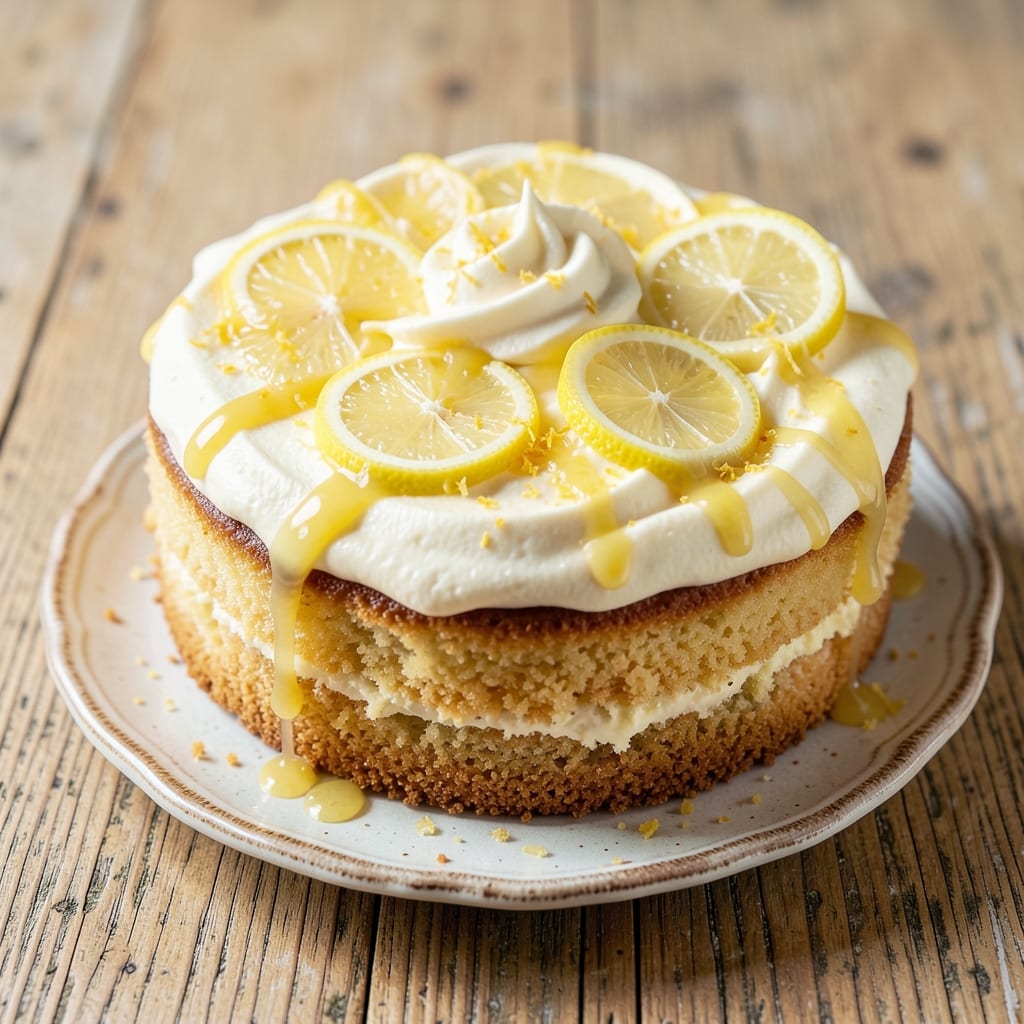
This 5-star lemon pound cake delivers the perfect balance of buttery richness and bright citrus zing that’ll impress even the most discerning dessert lovers. The secret lies in a precise ratio of ingredients—creamy butter, tender flour, and just enough lemon juice and zest to create that signature tangy depth without overpowering the delicate crumb. After years of perfecting this recipe, I’ve cracked the code to achieving a crack-free top and moist layers that stay fresh for days.
The magic happens in the layers: a tender, golden cake base with subtle lemon notes, topped with a velvety cream cheese frosting that’s sweet enough to satisfy but bright enough to complement the citrus. What sets this apart is the technique—folding the dry ingredients into the butter mixture just until combined, then gently incorporating the eggs to maintain airiness without overmixing. The result? A cake that’s light yet substantial, with a texture so perfect it could pass for a bakery masterpiece.
By the time you pull this cake from the oven, your kitchen will smell like sunshine and vanilla, and every slice will reveal a moist, tender crumb with pockets of buttery richness. The frosting isn’t just sweet—it’s infused with lemon zest for an extra layer of brightness that ties the whole dessert together. This isn’t just a cake; it’s a showstopper that deserves a place at your holiday table or as the centerpiece of any celebration.
Whether you’re serving it at a brunch spread or saving it for a special occasion, this recipe delivers restaurant-quality results with just a few simple techniques. Let’s get baking—your taste buds (and your guests) will thank you.
Ingredients for 5 star lemon pound cake
Buttery richness meets zesty citrus in this showstopper cake—just 12 ingredients for layers of magic.
| Ingredient | Amount | Notes |
|---|---|---|
| Unsalted Butter 🧈 | 1 ½ cups | Cold, cubed for creaming |
| Granulated Sugar 🍚 | 2 ½ cups | Superfine preferred for smoothness |
| All-Purpose Flour 🌾 | 2 ½ cups | Sifted for light texture |
| Large Eggs 🥚 | 4 whole | Room temperature for even mixing |
| Fresh Lemon Juice 🍋 | ½ cup | From 3-4 lemons, freshly squeezed |
| Lemon Zest 🍋 | 2 tbsp | Finely grated, organic preferred |
| Baking Powder 🌶️ | 2 tbsp | Diamond Crystal preferred |
| Salt 🧂 | ½ tsp | Fine sea salt |
| Vanilla Extract 🌸 | 1 tbsp | Pure, no imitation |
| Cream Cheese 🧀 | 8 oz | Full-fat, room temperature |
| Powdered Sugar 🍚 | 3 cups | Sifted for smooth frosting |
| Heavy Whipping Cream 🥛 | 1 cup | Cold for whipping |
The butter makes or breaks this cake. Plugrá or Land O'Lakes are my go-tos—they melt beautifully without overpowering. Room temperature butter is key, but don't over-soften it (it should hold its shape). For the flour, King Arthur is my secret weapon—it's sifted and perfect for delicate crumbs. The lemons? Meyer lemons if you can find them—they're sweeter and more fragrant. If you're using regular lemons, squeeze them right before measuring to avoid bitterness from oxidation. The zest should be vibrant yellow, not pale or green-tinged.
No Meyer lemons? Regular lemons plus 1 tsp extra sugar works in a pinch. Short on powdered sugar for frosting? Blend granulated sugar in a food processor—it's not ideal but gets you out of a jam. The cream cheese needs to be full-fat for that velvety texture—Philadelphia is the gold standard. If you're using a different brand, let it sit at room temperature for at least 2 hours before whipping. The baking powder is crucial—Diamond Crystal measures differently than Rumford, so use exactly 2 tbsp if that's what you have. For the frosting, if you don't have heavy cream, whipped topping spray works in a bind (though it won't be as rich).
This cake stays moist for 4-5 days if wrapped tightly in plastic. For longer storage, freeze the unfrosted layers for up to 3 months. The frosting keeps for 1 week in the fridge—just rewhip it briefly before spreading. I always make a double batch of frosting because it disappears faster than the cake. To reheat slices, pop them in a 350°F oven for 10-15 seconds—just enough to soften the frosting without melting it completely. The cake freezes beautifully too—just wrap each layer separately with parchment and plastic wrap.
Why You'll Love This Recipe
- No Mixer Needed: I swear by this recipe because it only requires a bowl and a whisk—no stand mixer, no food processor, just elbow grease for two minutes. That rich butter-sugar cream? It’s magic with a fork, and the eggs fold right in without a fight.
- Zesty Magic: The lemon juice—fresh, not bottled—cuts through the richness like a bright summer breeze. One bite and you’ll taste that perfect balance: tender crumb, buttery depth, and that pop of citrus that makes it feel like a hug in cake form.
- Weekend or Weeknight: Slice it warm for breakfast with coffee, pack it for lunch, or serve it chilled with tea—this cake handles itself. Honestly, I’ve even frosted it with cream cheese and called it a dessert, and no one batted an eye.
- Leftovers That Last: This cake stays moist for days, which means fewer mornings scrambling for something edible. (Yes, even on a Tuesday night.) Plus, the ingredients are pantry staples—no fancy substitutions needed, just pure, reliable flavor.
Step-by-step instructions for lemon pound cake
Here's how to bake a moist, buttery pound cake with bright lemon flavor and silky frosting.
Cream Butter and Sugar for Lightness
In a stand mixer fitted with the paddle attachment, beat the 1.5 cups unsalted butter and 2.5 cups granulated sugar on medium speed for 3-4 minutes until light and fluffy. You'll see the mixture nearly double in volume and become pale in color. This creaming process incorporates air, which gives the cake its tender crumb.
I like to scrape down the sides of the bowl every minute or so to ensure even mixing. If you're using a hand mixer, work in 30-second bursts to prevent overheating the butter. The butter should be completely smooth with no graininess remaining—this is your signal to move to the next step.
Add Eggs and Lemon Flavor
Add the 4 whole large eggs, one at a time, mixing on low speed after each addition until fully incorporated. Then stir in the 0.5 cup fresh lemon juice and 2 tablespoons lemon zest, followed by the 1 tablespoon vanilla extract. The mixture will look slightly curdled at first, but don't worry—it will come together when you add the dry ingredients.
Here's the thing—fresh lemon juice and zest make all the difference. If you're using bottled juice, add an extra tablespoon to compensate for the lack of freshness. The zest should be finely grated so it distributes evenly without clumping. Mix just until combined to avoid overdeveloping the gluten in the flour.
Combine Dry Ingredients Gently
In a separate bowl, whisk together the 2.5 cups all-purpose flour, 2 tablespoons baking powder, and 0.5 teaspoon salt. Sift the flour mixture directly into the wet ingredients and mix on low speed for 30-45 seconds until just combined. You should still see small flour streaks—overmixing develops gluten, which makes the cake tough instead of tender.
This is where patience pays off. Stop mixing as soon as the flour disappears. The batter will be thick and slightly sticky, which is perfect for pound cake. Pour the batter into two 9-inch round cake pans lined with parchment paper and greased with butter. Fill each pan about two-thirds full—pound cakes need room to rise.
Bake Until Golden and Springy
Preheat your oven to 350°F. Place the cake pans on the middle rack and bake for 50-60 minutes, or until a toothpick inserted into the center comes out clean. The cakes should be golden brown on top and pull away slightly from the sides of the pan.
I know it's tempting to open the oven door to check, but resist! Every time you open the oven, you risk causing the cakes to collapse. If the tops are browning too quickly, tent them loosely with aluminum foil after 30 minutes. Let the cakes cool in the pans for 10 minutes, then transfer to a wire rack to cool completely.
Make the Cream Cheese Frosting
Beat the 8 ounces cream cheese and 1 cup heavy whipping cream together in a chilled bowl until smooth and creamy. Gradually add the 3 cups powdered sugar, mixing until fully incorporated. The frosting should be thick but spreadable—if it's too stiff, add 1 teaspoon lemon juice at a time until it reaches the right consistency.
Here's the trick: make sure your bowl and beaters are completely chilled before starting. This helps the frosting come together more easily. Once the frosting is ready, spread it evenly between the two cake layers and over the top and sides. The bright lemon flavor in the frosting complements the cake perfectly, making every bite taste like a true showstopper.
Pro Tips For Making 5 Star Lemon Pound Cake
- Cream Butter Slowly: DESCRIPTION: I used to dump cold butter into sugar and beat it like my life depended on it—just watch the butter turn into butter grease. Instead, let the butter sit out for 30 minutes first, then mix it with the sugar on medium speed until it’s just light and fluffy, not soupy. You’re not making frosting here; stop when you can see ribbons form but the batter still holds shape.
- Measure Lemon Juice Precisely: DESCRIPTION: That "fresh lemon juice" label on the bottle? Ignore it. Use a scale: 3 tablespoons of actual lemon juice weighs about 45 grams—don’t eyeball it. Too much, and your cake tastes like a science experiment; too little, and it’s just a bland pound cake. And for heaven’s sake, use fresh juice—bottled stuff has no zing.
- Avoid Overmixing the Batter: DESCRIPTION: I learned this the hard way—whipping the flour into the wet ingredients until it’s perfectly smooth leads to a dense, chewy cake. Mix just until combined, then stop. The batter should look shaggy, not like pancake batter. Overmixing develops gluten, and your cake will turn out more like a brick than a cloud.
- Test for Doneness Early: DESCRIPTION: Skip the toothpick test until the very end—it lies. Instead, tap the top of the cake gently with your finger at 45 minutes. If it springs back, it’s done. If it jiggles like Jell-O, give it another 10. Overbaking dries out the cake faster than a summer day in Arizona. Pull it when the edges are golden but the center still has a slight wobble.
Health benefits of these flavors
Bright Citrus Boost
This lemon pound cake delivers a powerful vitamin C punch—just ½ cup fresh lemon juice provides over 50% of your daily needs. The zest adds flavonoids like hesperidin, which support heart health and may reduce inflammation. I always use organic lemons when possible to maximize these benefits without pesticide residues. 🍋
Protein-Packed Layers
While not a high-protein dessert, the 4 large eggs and 2.5 cups flour provide about 12 grams protein per slice (based on 12 servings). The cream cheese frosting adds another 3 grams per serving, making this a more substantial treat than most cakes. It's a great option if you're looking for a dessert with some protein content.
Rich Healthy Fats
The 1.5 cups unsalted butter contributes saturated fats that your body needs for hormone production and energy. While not a "health food," the butter's richness makes this cake uniquely satisfying. I recommend using grass-fed butter when available for omega-3 benefits and a more balanced fatty acid profile. The frosting's heavy cream adds creamy texture without excessive sugar.
Energy-Boosting Carbs
Each serving contains about 25 grams of carbohydrates, with 18 grams coming from natural sources (flour, sugar, fruit). The vanilla extract and lemon zest add subtle complexity without significant calories. This makes it a better choice than many store-bought cakes that rely on artificial flavors and excessive sugar. The cake's moisture comes from the butter-to-flour ratio, not added oils.
Antioxidant-Rich Zest
Lemon zest contains limonene and other antioxidants that may help protect cells from damage. The 2 tablespoons used in this recipe provide noticeable flavor without overpowering the delicate cake structure. I find that finely grating the zest (using a microplane) preserves more of these beneficial compounds compared to coarse grating. 💛
Moderate Sugar Content
With 2.5 cups granulated sugar in the cake and 3 cups powdered sugar in the frosting, each slice contains about 20 grams of sugar. That's comparable to many bakery cakes but with the advantage of fresh lemon juice balancing the sweetness. For a lighter version, I sometimes reduce the powdered sugar to 2.5 cups while adding an extra 1 tablespoon lemon juice to maintain brightness.
Nutrition facts
Frequently asked questions
Can I make this lemon pound cake in a bundt pan instead of round pans?
Yes, but with adjustments! A 10-12 cup bundt pan works best—reduce baking time to 40-50 minutes since bundt cakes bake faster. Brush the pan with melted butter and dust with flour for easy release. The shape will be stunning, but expect slightly thicker slices. For a true pound cake texture, stick to round pans, but bundt makes a beautiful presentation for special occasions.
Why did my cake turn out dense instead of tender?
Overmixing is the #1 culprit! Mix the dry ingredients into the wet just until combined (30-45 seconds)—stop when small flour streaks remain. Also check your butter: it should be soft but not melted (press a thumbprint that holds shape). Finally, don't overfill pans—pound cakes need 2/3 full capacity to rise properly.
How can I make this cake gluten-free?
Replace the all-purpose flour with a 1:1 gluten-free baking flour blend (like Bob's Red Mill) plus ½ teaspoon xanthan gum. Reduce baking powder to 1.5 tablespoons and add ¼ cup sour cream to the batter for moisture. Expect a slightly denser texture, but the lemon flavor will still shine. Test with a small batch first!
Can I use this cake mix for cupcakes instead?
Divide the batter among 24 lined cupcake tins and bake at 350°F for 20-25 minutes. The cupcakes will be moist but slightly domed. Top with mini lemon glaze (powdered sugar + lemon juice) or whipped cream. For extra height, add 1 teaspoon baking powder to the batter. The flavor stays perfect—just the portion size changes!
What's the best way to store leftovers?
Wrap the frosted cake tightly in plastic wrap, then place in an airtight container. It stays fresh for 4-5 days at room temperature or 1 week refrigerated. For longer storage, freeze the unfrosted layers (separately wrapped) for up to 3 months. Refrigerate frosting separately and rewhip before using. The cake reheats beautifully in a 350°F oven for 10 seconds to revive softness.