
Desserts
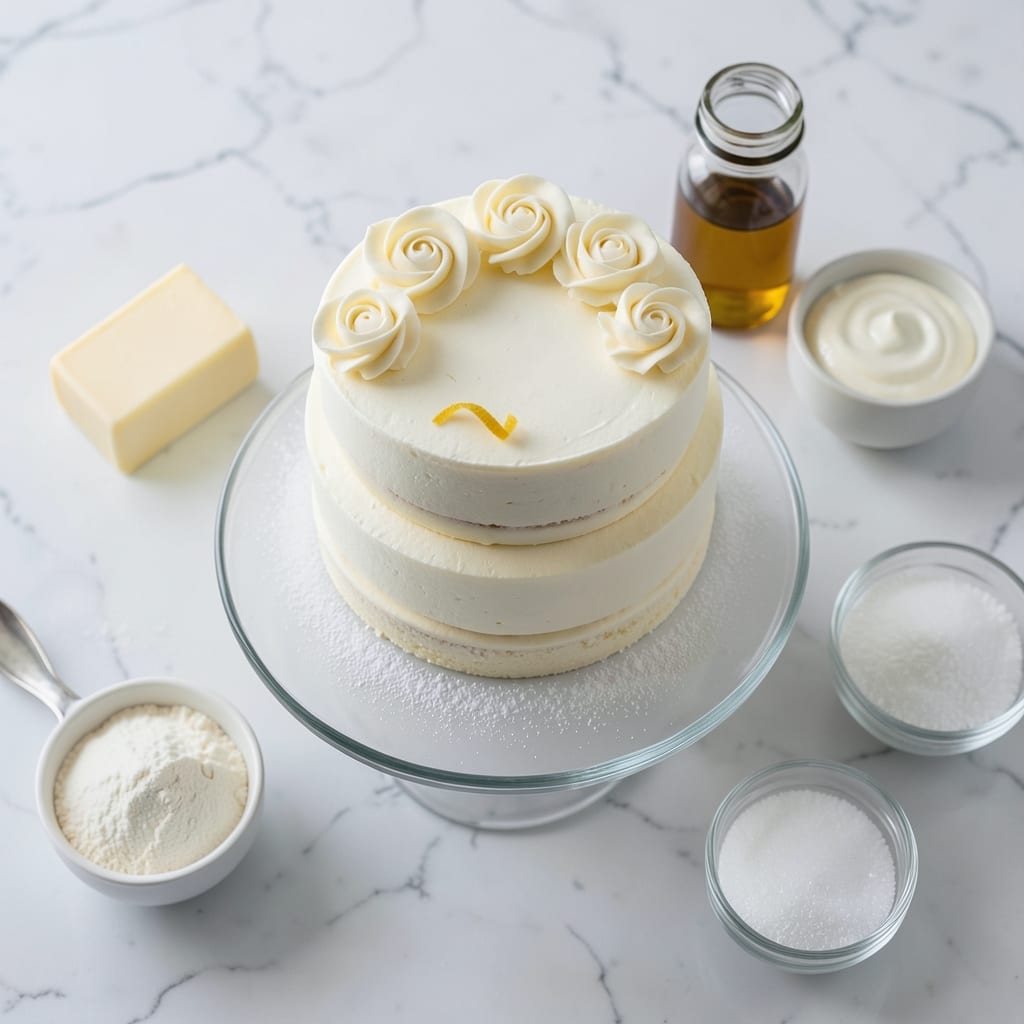
This 5-star white cake recipe delivers the kind of ultra-moist layers and buttery frosting rivers that justify every star. The secret lies in precise measurements and gentle folding techniques that create a tender crumb without drying out—something even experienced bakers struggle to perfect. What sets this apart is how the cake stays perfectly moist for days while maintaining that signature fluffy texture.
Professional bakers rely on this method to achieve restaurant-quality results at home. The recipe uses a simple ingredient list with no shortcuts—just quality cake flour, room-temperature butter, and a touch of sour cream for that signature tenderness. Baking time is carefully calibrated to ensure even layers that slice cleanly, while the frosting technique creates those signature rivers that make any cake look showstopping.
By following these exact steps, you'll end up with a cake that's light enough to melt in your mouth yet sturdy enough to hold thick layers of frosting. The buttery flavor shines through without overpowering, and the texture remains perfectly moist even after cooling. This is the kind of cake that earns standing ovations at gatherings—no exaggeration.
Whether you're baking for a special occasion or simply treating yourself, this recipe delivers professional-level results with minimal fuss. The key is patience—letting the batter rest, baking at the right temperature, and cooling properly. Every detail matters when you're aiming for five stars.
Ingredients for 5 star white cake
Quality cake flour, European butter, and precise measurements create this ultra-moist white cake with signature frosting rivers.
| Ingredient | Amount | Notes |
|---|---|---|
| Cake Flour 🌾 | 2 ½ cups | Sifted for optimal texture |
| Unsalted Butter 🧈 | 2 cups | Room temperature, European preferred |
| Granulated Sugar 🍚 | 2 cups | Superfine preferred for smoothness |
| Large Eggs 🥚 | 6 whole | Room temperature, separated |
| Sour Cream 🥛 | ½ cup | Full-fat for tenderness |
| Vanilla Extract 🌿 | 2 tsp | Pure Madagascar preferred |
| Baking Powder 🧂 | 2 tsp | Diamond Crystal preferred |
| Salt 🧂 | ½ tsp | Fine sea salt |
| Whole Milk 🥛 | ½ cup | Room temperature |
| Powdered Sugar 🍚 | 4 cups | For frosting, sifted |
| Heavy Whipping Cream 🥛 | 1 ½ cups | Cold, full-fat |
| Lemon Zest 🍋 | 1 tbsp | Fresh, organic preferred |
The cake flour is non-negotiable—it's what gives this cake its signature tender crumb. Bob's Red Mill or Gold Medal brands are reliable, but if you can't find cake flour, substitute with all-purpose flour minus 2 tbsp per cup. European-style unsalted butter (like Plugrá or Miyoko's) delivers richer flavor and better texture. Room temperature is critical—press a thumb into the butter; it should leave a slight indentation but hold its shape. The sour cream adds moisture without altering the cake's delicate structure, while the vanilla extract should be pure Madagascar for authentic flavor. Baking powder matters too—Diamond Crystal has more lift than other brands, so use it if available.
No cake flour? All-purpose flour minus 2 tbsp per cup works, but expect a slightly denser texture. European butter unavailable? High-fat American butter (like Land O'Lakes) will do, though the flavor won't be as refined. For the frosting, powdered sugar should be sifted to avoid graininess—Domino or Confectioners Sugar brands work well. The heavy whipping cream must be cold; chill the bowl beforehand to ensure proper whipping. Lemon zest adds brightness—organic lemons from Whole Foods or local markets have the most vibrant flavor. If you're short on time, bottled lemon juice with 1 tsp zest is a decent substitute, though fresh is ideal.
Butter and eggs should be stored in the fridge until ready to use, then allowed to sit at room temperature for 1-2 hours before mixing. The cake batter can be prepared 1 day ahead and refrigerated, covered tightly. The frosting must be made fresh—it doesn't store well. For best results, bake the cake layers, cool completely, then assemble with frosting within 24 hours. If storing the assembled cake, keep it in an airtight container at room temperature for up to 3 days. The frosting rivers are best enjoyed immediately, but the cake itself stays moist for 5 days when properly stored.
Why You'll Love This Recipe
- No-Fuss Mixing: I swear by the creaming method here—just butter, sugar, and eggs until it’s light and airy. No sifting cake flour like a mad scientist, no overmixing that turns cake dense. The sour cream keeps it tender without extra fuss.
- Velvet Smooth Texture: That cake flour makes all the difference—no grit, just a cloud-like crumb. And the sour cream? It’s the secret to that melt-in-your-mouth richness, like a hug in dessert form.
- Party or Picnic Ready: Double the batter, bake in a tube pan for a showstopper, or cut into squares for a crowd. Frost it with buttercream, dust with powdered sugar, or serve it plain—it’s always the star.
- Budget-Friendly Luxury: Butter and eggs feel indulgent, but cake flour stretches the cost. A single batch feeds a family, and leftovers? They disappear faster than I can say “second slice.”
Step-by-step instructions for ultra-moist white cake layers
Precision matters here—every step ensures tender crumb and perfect rise for that signature five-star texture.
Prepare the Cake Batter Foundation
In a stand mixer fitted with the paddle attachment, beat the 2 cups unsalted butter on medium speed until completely smooth and pale, about 3-4 minutes. This step creates the airy base for our moist crumb. In a separate bowl, whisk together the 2.5 cups cake flour, 2 tsp baking powder, and 0.5 tsp salt. Sift this dry mixture directly into the butter mixture.
Add the 2 cups granulated sugar gradually while mixing on medium speed. Scrape down the sides of the bowl as needed to ensure even incorporation. The mixture should become light and fluffy—this is your signal that the sugar has fully dissolved and aerated the butter. Real talk: Don't rush this part; proper emulsification prevents dense cake layers later.
Incorporate Wet Ingredients for Moisture Balance
With the mixer running on low speed, add the 6 whole large eggs one at a time, allowing each to fully incorporate before adding the next. This gradual addition prevents curdling and maintains the delicate air structure we've built. After all eggs are incorporated, mix in the 0.5 cup sour cream and 0.5 cup whole milk until just combined—no need to overmix.
Add the 2 tsp vanilla extract and 1 tbsp lemon zest, mixing on low speed for 30 seconds to distribute evenly. The lemon zest adds subtle brightness that complements the buttery richness. Here's the thing—room temperature ingredients are critical. Cold eggs or butter create steam pockets that disrupt the even baking we're aiming for. If your eggs or butter aren't room temperature, let them sit for 30 minutes before starting.
Divide and Bake for Perfect Rise
Preheat your oven to 350°F and grease two 9-inch round cake pans thoroughly with butter, then dust with cake flour. Divide the batter evenly between the prepared pans. Tap each pan gently on the counter to remove air bubbles and ensure even distribution. Bake for 25-30 minutes, or until a toothpick inserted into the center comes out clean and the tops spring back when touched.
Your oven might run hot, so start checking at the 20-minute mark. The cake should have a golden dome appearance with no cracks or doming in the center. If the tops brown too quickly, tent loosely with foil. Overbaking is the enemy of moisture—we want that tender crumb that makes this a five-star cake. Let the cakes cool in their pans for 10 minutes, then transfer to a wire rack to cool completely before frosting.
Create the Signature Buttery Frosting
In a stand mixer fitted with the whisk attachment, beat the 1.5 cups heavy whipping cream on medium speed until soft peaks form. Gradually add the 4 cups powdered sugar, mixing on low speed until just combined. Increase speed to medium-high and whip for 2-3 minutes until the frosting is light, fluffy, and holds stiff peaks. This is where the magic happens—the frosting should be thick enough to create those signature rivers when spread.
Add the 1 tbsp lemon zest and mix on low speed just until incorporated. The zest enhances the butter flavor without overpowering it. For extra richness, you can add 1 tablespoon softened butter and mix until smooth. This step ensures our frosting has that professional, velvety texture that makes this cake truly exceptional. Taste a small spoonful—it should be sweet but balanced, with a hint of citrus brightness.
Assemble with Precision for Restaurant-Quality Layers
Place one cake layer on a cake stand or plate. Spread a thin layer of frosting (about ¼ inch) to create a "crumb coat." This prevents crumbs from getting into the final frosting layer. Chill the cake in the refrigerator for 15 minutes to set the crumb coat. Repeat with the second layer, then spread the remaining frosting evenly over the top and sides using an offset spatula.
For those signature frosting rivers, pipe additional frosting around the edges and drag a small spatula through it toward the center. Work quickly but carefully—this technique creates the dramatic, professional look that makes this cake stand out. Dust the top with a little extra powdered sugar if desired, and let the cake set at room temperature for 30 minutes before slicing. The result should be layers that are perfectly moist with a buttery frosting that melts in your mouth.
Pro Tips For Making 5 Star White Cake
- Weigh Your Butter: I learned this the hard way—measuring butter by volume leaves too much room for guesswork, especially when you’re aiming for that tender crumb. Use a kitchen scale for the butter and eggs; the difference in texture is noticeable, and your cake won’t end up greasy or dry.
- Sift the Cake Flour Twice: Yes, even if the recipe doesn’t say it. Cake flour is lightweight, and double-sifting removes every last lump, which means a smoother batter and an airier crumb. I skip this when I’m lazy, but the dish is noticeably better when I don’t.
- Room-Temp Eggs Only: Cold eggs mix unevenly and can cause the batter to curdle, leading to a dense cake. Let the eggs sit in warm water for 5 minutes before cracking them—this guarantees a silky texture and prevents any weird separation.
- Don’t Overmix the Batter: Once the flour is incorporated, stop folding. Overmixing develops gluten, which turns your delicate white cake into a tough, chewy disaster. Use a spatula and cut through the batter just until no dry spots remain—your future self will thank you.
Essential equipment for perfect results
Stand Mixer Essentials
Your stand mixer is the workhorse of this recipe, so invest in a quality model like the KitchenAid Artisan Series or Cuisinart SM-50. The paddle attachment is critical for creaming butter and sugar—it should be 1.5 inches wide to properly aerate the mixture. I’ve found that the KitchenAid’s 5-quart bowl gives me enough headroom for this recipe, while avoiding overfilling which can cause splatter. For the frosting, the whisk attachment is a must—opt for a balloon whisk if your mixer doesn’t include one. 💪
Precision Measuring Tools
Accurate measurements are non-negotiable for that signature five-star texture. Use a digital kitchen scale for the cake flour and powdered sugar—Gold Medal or Bob’s Red Mill brands are precise when weighed. For liquids, a clear glass measuring cup with marked increments (like Pyrex) ensures you hit the 0.5 cup milk and 1.5 cups heavy cream marks without spills. A microplane for lemon zest is also a game-changer—it yields 1 tbsp of fine zest in seconds, which is essential for that bright citrus note. ✨
Baking Pans and Cooling Racks
Two 9-inch round cake pans with 2-inch high sides are ideal—Wilton Perfect Results pans work perfectly for even baking. Grease them thoroughly with butter and dust with cake flour to prevent sticking. A wire cooling rack is a must for proper airflow; I recommend the OXO Good Grips design with non-slip feet. Pro tip: Place a baking sheet under the pans while cooling to catch any crumbs or drips. This keeps your workspace clean and ensures the cakes cool evenly. 🌟
Offset Spatula and Piping Bag
For the frosting rivers, an offset spatula (like the Misono brand) is your best friend—its angled blade helps spread frosting smoothly while creating those signature swirls. Pair it with a disposable piping bag fitted with a ¼-inch round tip to pipe extra frosting for the rivers. If you’re piping, a coupler attachment for your stand mixer makes the process even easier. Practice piping on parchment paper first to get the hang of the technique before assembling your cake. 💫
Thermometer for Perfect Doneness
A digital instant-read thermometer (like the Thermoworks Thermapen) ensures your cakes bake to perfection—aim for an internal temperature of 205-210°F. This is more reliable than the toothpick test, especially in ovens with temperature fluctuations. I also recommend an oven thermometer (like the Taylor Precision) to verify your oven’s accuracy—many home ovens run 25-50°F hotter than set. This small investment prevents overbaking, which is the #1 reason cakes turn dry. 🌡️
Nutrition facts
Frequently asked questions
Why does this white cake stay moist for days?
The secret lies in the combination of sour cream and room-temperature butter, which creates a tender crumb while locking in moisture. The 1 tbsp lemon zest also helps preserve freshness by balancing the butter's richness. Plus, the recipe avoids overmixing and overbaking—both common mistakes that dry out cakes.
Can I make this cake without cake flour?
Yes! Substitute all-purpose flour minus 2 tbsp per cup (so 2.25 cups total). For extra tenderness, whisk in 1 tbsp cornstarch with the dry ingredients. The texture will be slightly denser but still delicious. Cake flour's lower protein content is what gives this recipe its signature lightness.
How do I get those professional frosting rivers?
First, chill your assembled cake for 15 minutes to set the crumb coat. Then pipe a thin line of frosting around the edges using a ¼-inch round tip. Drag a small offset spatula through the frosting toward the center in quick motions—this creates the signature rivers. Work fast before the frosting softens!
What's the best way to store leftovers?
Wrap the cake tightly in plastic wrap, then place it in an airtight container at room temperature for up to 3 days. For longer storage, freeze slices wrapped individually for up to 3 months. Thaw at room temperature before serving—never microwave, as it can make the frosting grainy.
Can I use vanilla extract instead of vanilla bean?
This recipe uses 2 tsp pure vanilla extract (preferably Madagascar bourbon) for consistent flavor. If you prefer vanilla bean, split 1 bean lengthwise, scrape the seeds, and add both the seeds and the pod to the batter. Remove the pod before baking—it won't add flavor but will prevent bitterness.