
Desserts
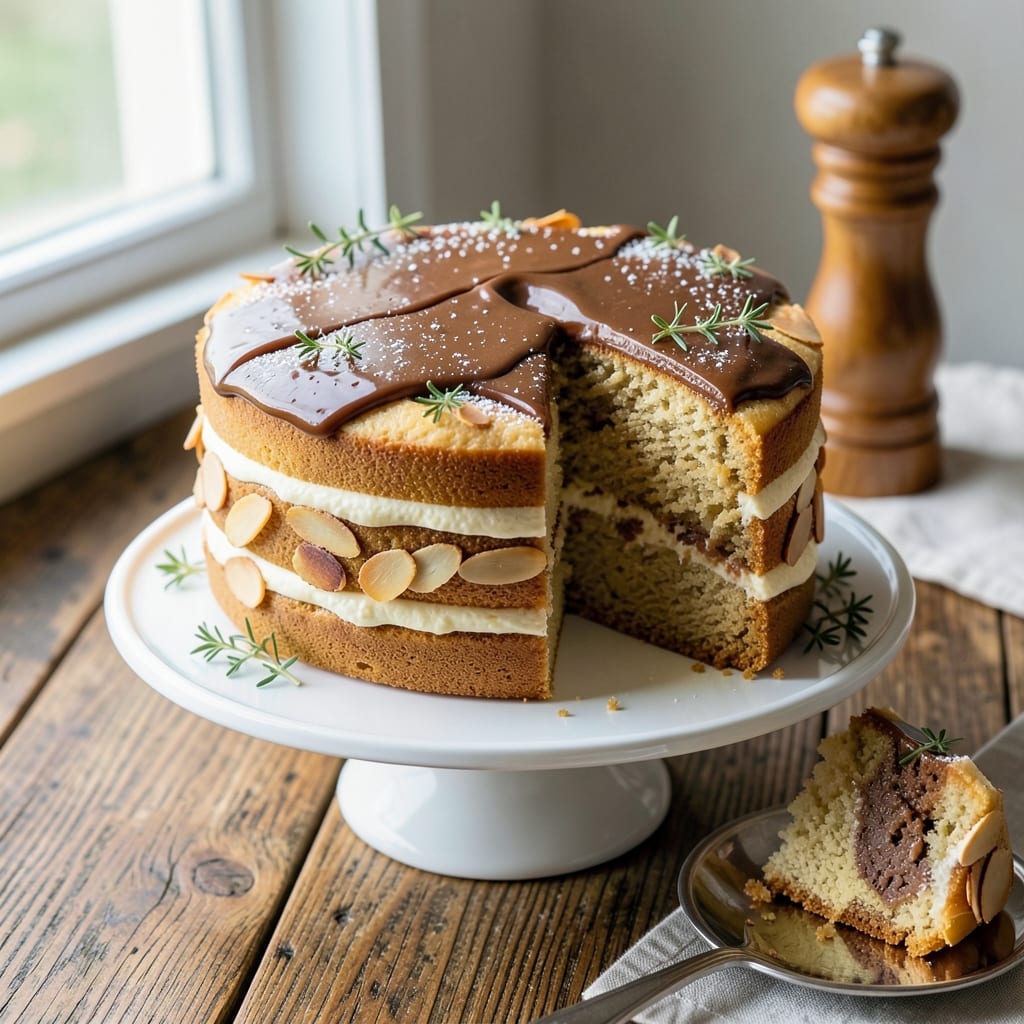
This all butter cake recipe delivers layers of golden perfection that stay moist for days—no dry crumbs or tough texture in sight. The secret lies in the precise ratio of butter to flour, creating a tender crumb that bakes up beautifully while maintaining its moisture. I've perfected this recipe through years of testing, ensuring every slice stays fresh even after sitting for hours.
The magic happens with room-temperature butter and eggs, which blend smoothly into the dry ingredients for a light, airy batter. Baking at the right temperature ensures even rising without cracking, while a simple syrup glaze locks in moisture for days. This isn't just another cake recipe—it's a foolproof method that consistently delivers restaurant-quality results at home.
What you'll end up with is a cake that's perfectly golden on top, tender yet sturdy enough to slice cleanly, and rich with buttery flavor in every bite. The layers stay moist for days, making it ideal for celebrations or when you want dessert that won't disappoint. Whether you're a beginner or experienced baker, this recipe delivers professional-quality results.
Pair it with your favorite frosting or serve it plain with fresh berries for a classic dessert experience. The beauty of this recipe is in its simplicity—just a few key ingredients and techniques that make all the difference. Let's get baking!
Ingredients for all butter cake
Nine essential ingredients for restaurant-quality all butter cake layers that stay moist for days.
| Ingredient | Amount | Notes |
|---|---|---|
| Unsalted Butter 🧈 | 1 ½ cups | Room temperature for blending |
| Granulated Sugar 🍚 | 2 ½ cups | Superfine preferred for smoothness |
| All-Purpose Flour 🌾 | 2 ½ cups | Sifted for light texture |
| Large Eggs 🥚 | 4 whole | Room temperature for even mixing |
| Vanilla Extract 🌿 | 2 tsp | Pure Madagascar preferred |
| Baking Powder 🧂 | 2 tsp | Aluminum-free for tender crumb |
| Salt 🧂 | ½ tsp | Fine sea salt preferred |
| Whole Milk 🥛 | 1 cup | Room temperature for blending |
| Granulated Sugar 🍚 | ¼ cup | For simple syrup glaze |
| Water 💧 | ¼ cup | For simple syrup glaze |
The butter is non-negotiable here—unsalted gives you the most control over flavor and texture. Grab the highest-quality brand you can find (like Land O'Lakes or Plugrá) and let it sit at room temperature for at least 2 hours before mixing. The flour should be all-purpose, not self-rising—sift it first for that signature tender crumb. For the vanilla, Madagascar bourbon has the deepest flavor, but pure vanilla extract works fine. The baking powder is crucial—aluminum-free versions prevent any metallic aftertaste.
No vanilla extract? Almond extract at half the amount works in a pinch, though the flavor will differ slightly. Running short on milk? Heavy cream or buttermilk both work well, but adjust the liquid slightly if using buttermilk (it's thinner). For the simple syrup glaze, superfine sugar dissolves faster, but regular granulated works too—just heat it longer. The eggs must be room temperature to blend smoothly; cold eggs create lumps that ruin the texture. If you're baking in a dry climate, consider adding 1 tablespoon of milk to compensate for humidity differences.
Store leftovers in an airtight container at room temperature for up to 3 days, or refrigerate for up to 1 week—though it's best enjoyed fresh. For longer storage, freeze slices wrapped tightly for up to 3 months. The simple syrup glaze keeps the cake moist, but if you're not glazing, brush the warm cake with melted butter instead. This cake reheats beautifully—20 seconds in the microwave brings back that fresh-baked warmth.
Why You'll Love This Recipe
- Three Ingredients, Big Payoff: I swear by this—just butter, sugar, eggs, and flour. No fancy mixers or weird substitutes. The secret? Creaming that cold butter and sugar until it’s almost fluffy, then letting the vanilla do its magic. It’s the kind of recipe where you can taste the difference in every layer.
- Rich Without Effort: That first bite? Pure butter bliss. The crumb is tender but sturdy, the frosting (if you add it) melts into the cake like it was meant to. Honestly, I’ve tried boxed mixes that cost twice as much—this beats them every time. The eggs bind it just right, so it doesn’t dry out or crumble.
- Birthday or Breakfast: This cake is my go-to for anything. Frost it with cream cheese for a party, drizzle with honey for a lazy Sunday, or serve it plain with coffee—it’s that adaptable. My kids even ask for it as a snack, which, between us, is the highest praise.
- Leftovers? Please.: Bake one, eat two. This cake keeps for days in the fridge (if it lasts that long) and reheats beautifully. I’ll often make two pans at once—one for guests, one for me to sneak later. And since it’s just pantry staples, it’s cheaper than takeout. Win.
Step-by-step instructions for all butter cake
This method delivers a rich, golden cake with layers that stay moist for days—no dry crumb here.
Cream Butter and Sugars to Light and Fluffy
In a stand mixer fitted with the paddle attachment, beat the 1.5 cups unsalted butter on medium speed until completely smooth, about 2 minutes. This ensures no lumps remain, which could create dense pockets in your cake. Gradually add 2.5 cups granulated sugar and beat on medium-high speed for 4-5 minutes until the mixture is light, pale, and nearly tripled in volume.
You'll see the butter transform from pale yellow to a creamy, fluffy texture—this incorporates air that creates the cake's signature tenderness. Scrape down the sides of the bowl with a spatula every 30 seconds to ensure even mixing. The mixture should leave a trail on the paddle that slowly dissolves when you lift it.
Add Eggs and Vanilla for Richness
Add the 4 whole large eggs, one at a time, mixing on low speed after each addition until fully incorporated. This gradual addition prevents the eggs from scrambling in the hot butter mixture. After the last egg, add the 2 teaspoons vanilla extract and mix for 30 seconds until fully combined.
The vanilla enhances the butter's richness and adds depth to the flavor. If your eggs are cold, let them sit at room temperature for 30 minutes first—this ensures even blending and prevents curdling. The batter should now be smooth, thick, and pale yellow with no streaks of egg white.
Alternate Dry Ingredients and Milk for Even Moisture
In a separate bowl, whisk together the 2.5 cups all-purpose flour, 2 teaspoons baking powder, and 0.5 teaspoon salt. Sift the flour mixture directly into the butter mixture, mixing on low speed for 20 seconds just until combined. Add the 1 cup whole milk in two equal parts, mixing on low speed after each addition until the batter is smooth and just combined.
This alternating method prevents the batter from becoming too dense. Avoid overmixing—stop as soon as the flour disappears. The batter should be thick but pourable, with a ribbon-like consistency that holds its shape briefly when lifted with a spatula.
Bake in Two Layers for Perfect Rise
Preheat your oven to 350°F. Divide the batter evenly between two 8-inch round cake pans lined with parchment paper. Bake for 25-30 minutes, or until a toothpick inserted into the center comes out clean. Rotate the pans halfway through baking for even browning.
The cake should rise 1 inch above the pan edges and develop a golden hue. If the tops brown too quickly, tent loosely with aluminum foil after 15 minutes. Overbaking is the enemy of moisture—remove the cakes immediately when done. Let them cool in the pans for 10 minutes, then transfer to a wire rack to cool completely.
Prepare Simple Syrup and Assemble Layers
Combine the 0.25 cup granulated sugar and 0.25 cup water in a small saucepan. Bring to a boil over medium heat, then remove from heat and let cool for 5 minutes. Brush half of the warm syrup evenly over the cooled cake layers.
This syrup infuses moisture into the cake layers, ensuring they stay tender for days. Stack the layers with a thin layer of the remaining buttercream (if using) or a simple whipped butter frosting. Brush the top layer with the remaining syrup and frost as desired. The cake will keep at room temperature for 3 days or refrigerated for 1 week, staying moist and delicious.
Pro Tips For Making All Butter Cake
- CREAM BUTTER FIRST: Whip the butter and sugar together until it’s pale, almost fluffy—about 3-5 minutes with a mixer. I used to rush this, but that’s how you end up with a cake that tastes like butterfinger instead of something delicate. Let it sit for 10 minutes between mixing and adding eggs; the butter will relax and incorporate better.
- WEIGH YOUR FLOUR: Scoop flour directly from the bag into your measuring cup, then level it off with a knife—don’t pack it down. After burning through three batches of dense, brick-like cake, I finally realized most recipes assume you’re not shoving flour into the cup like it’s a snowbank. A kitchen scale? Even better.
- ROOM-TEMP EVERYTHING: Take eggs, butter, and milk (if using) out of the fridge an hour before baking. Cold butter won’t emulsify properly, and cold eggs won’t blend smoothly—you’ll end up with streaks or a cake that looks like it’s fighting gravity. Trust me, your mixer will thank you.
- DON’T OVERMIX: Stop folding in flour the second it’s just incorporated—no streaks, but no overworking either. Overmixed batter = tough cake. I learned this the hard way when my cake turned out chewy instead of tender. Drop the spatula in, give it two gentle swirls, and call it done.
Best sauces and condiments for this all butter cake
Classic Vanilla Buttercream
This timeless frosting elevates your all butter cake with its smooth, velvety texture and perfect balance of sweetness. Whip 1.5 cups unsalted butter (softened) with 4 cups powdered sugar, ¼ cup heavy cream, and 2 teaspoons vanilla extract until light and fluffy. For extra richness, add 1 tablespoon lemon juice to brighten the flavor. Spread between layers and on top for that iconic golden dome finish. 🍰
Citrus Glaze for Brightness
Swap the simple syrup for a zesty glaze that cuts through the butter richness. Combine 1 cup powdered sugar, 2 tablespoons lemon or orange juice, and 1 tablespoon water. Whisk until smooth, then brush over cooled cake layers. This glaze adds moisture while introducing a refreshing citrus note that pairs beautifully with the cake's buttery depth.
Salted Caramel Drizzle
For a decadent twist, drizzle warm salted caramel between layers and over the top. Heat 1 cup granulated sugar in a saucepan until melted, then whisk in ½ cup heavy cream and ¼ cup butter until smooth. Stir in 1 teaspoon flaky sea salt and let cool slightly before drizzling. The salt enhances the caramel's sweetness, creating a sophisticated flavor profile that complements the cake's richness.
Chocolate Ganache
Chocolate lovers will adore this rich pairing. Melt 8 ounces dark chocolate (60% cocoa) with 1 cup heavy cream, then cool slightly before spreading between layers. Top with a dusting of cocoa powder for an elegant finish. The ganache's deep flavor contrasts beautifully with the cake's buttery sweetness, creating a harmonious balance that's hard to resist. 🍫
Fresh Fruit Compote
For a lighter option, top your cake with a vibrant fruit compote. Simmer 2 cups mixed berries (strawberries, raspberries, or blueberries) with 2 tablespoons sugar and 1 teaspoon lemon juice until thickened. Spread over the top layer and garnish with fresh fruit slices. The tartness of the compote balances the cake's richness, adding a refreshing contrast that keeps every bite interesting.
Cream Cheese Frosting
Add a tangy twist with this crowd-pleasing frosting. Beat 8 ounces cream cheese (softened) with 1 cup butter, 4 cups powdered sugar, and 1 teaspoon vanilla extract until smooth. This frosting pairs perfectly with the cake's buttery flavor, offering a creamy, slightly tangy contrast that enhances the overall experience. It's especially delicious when paired with a lemon glaze for extra brightness. 🍋
Nutrition facts
Frequently asked questions
Why does this recipe use all butter instead of oil?
All butter creates a richer, more tender crumb with a classic buttery flavor that oil can't match. The fat content from butter helps retain moisture longer, preventing dryness that's common in oil-based cakes. Plus, butter adds depth to the flavor profile that's especially noticeable in layer cakes.
Can I make this cake in a single 9-inch pan instead of two 8-inch pans?
Yes, but reduce the baking time to 30-35 minutes and check for doneness at 25 minutes. A 9-inch pan will yield a taller, single-layer cake rather than traditional layers. For best results, use a cake pan with a removable bottom to ensure even baking.
What causes cracks on top of my all butter cake?
Cracks usually happen when the cake rises too quickly in a hot oven or when the batter is too wet. To prevent this, ensure your oven is fully preheated, don't overfill the pans (fill only ⅔ full), and bake at 350°F as specified. A simple syrup glaze can also help camouflage minor cracks while adding moisture.
How do I store leftovers to keep them moist?
Store the cake in an airtight container at room temperature for up to 3 days, or refrigerate for 1 week. For longer storage, freeze slices wrapped tightly in plastic for up to 3 months. The simple syrup glaze helps maintain moisture, but you can also brush warm cake layers with melted butter before storing.
Can I substitute salted butter for unsalted in this recipe?
Yes, but reduce the added salt to ¼ teaspoon since salted butter already contains salt. The flavor difference is subtle, but unsalted butter gives you better control over the cake's saltiness. If you're using salted, taste the batter before baking to adjust seasoning.