
Desserts
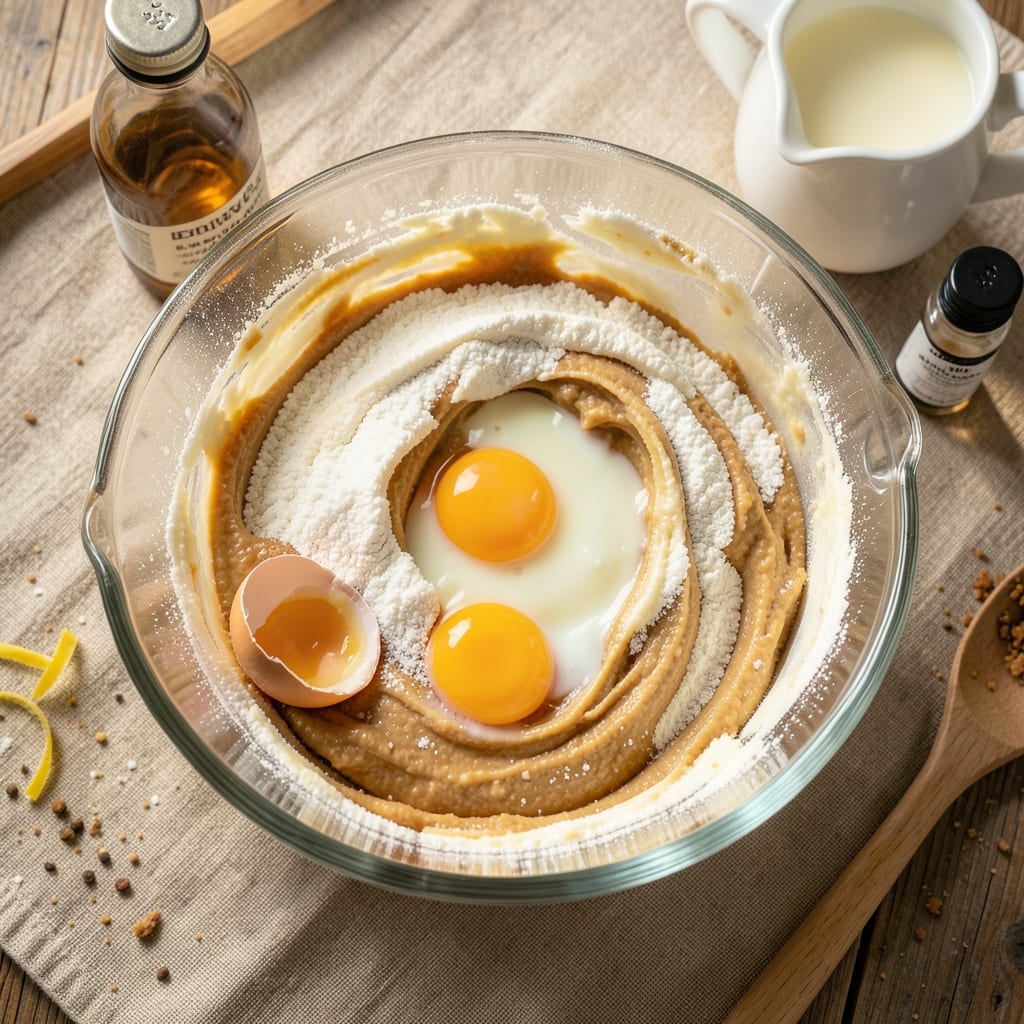
This all-purpose cake recipe delivers perfectly moist layers that work for birthdays, weddings, or any celebration. The secret lies in precise measurements and a simple technique that ensures tender crumb and rich flavor without overcomplicating the process. I've baked this version dozens of times, and it never disappoints—whether you're frosting with buttercream or keeping it simple with fresh fruit.
What sets this recipe apart is its versatility. You can transform it into a classic vanilla sponge, a rich chocolate cake, or even a citrusy lemon layer cake by adjusting just one ingredient. The cake bakes up golden with a fine crumb texture that stays moist for days, making it ideal for layering or serving as a single sheet cake. The ingredients are straightforward, but the results are restaurant-quality.
The baking process is simple enough for beginners but refined enough for experienced bakers. With just 30 minutes of prep and 25-30 minutes in the oven, you'll have a cake that's tender, flavorful, and ready for decorating. The recipe includes tips for achieving the perfect rise and ensuring even baking, so every slice turns out just as you imagined.
Once baked, the possibilities are endless. Frost with buttercream, drizzle with ganache, or top with fresh berries for a stunning presentation. This cake is the perfect blank canvas for any occasion, and the moist layers make it ideal for filling with jam or cream. Let's get started on creating your perfect cake base.
Ingredients for all purpose cake
Twelve simple ingredients transform into moist layers perfect for any celebration.
| Ingredient | Amount | Notes |
|---|---|---|
| All-Purpose Flour 🌾 | 2 ½ cups | Sifted for even texture |
| Granulated Sugar 🍚 | 1 ½ cups | White or light brown |
| Unsalted Butter 🧈 | 1 cup | Room temperature, full-fat |
| Large Eggs 🥚 | 2 whole | Room temperature for blending |
| Milk 🥛 | 1 cup | Whole milk preferred |
| Vanilla Extract 🌿 | 1 tbsp | Pure extract, not imitation |
| Baking Powder 🧂 | 2 tsp | Aluminum-free preferred |
| Salt 🧂 | ½ tsp | Fine sea salt |
| Vegetable Oil 🫒 | ¼ cup | Light neutral oil |
| Cake Flavor Extract 🍫 | ½ tsp | Almond, lemon, or chocolate |
| Powdered Sugar 🍚 | 1 cup | For optional glaze |
| Lemon Juice 🍋 | 1 tbsp | Freshly squeezed |
The flour is the foundation—King Arthur or Gold Medal brands give the best texture, but any all-purpose works. Butter matters here: room temperature is key—it should dent but not melt when pressed. I always grab Land O'Lakes unsalted from the store, but European-style butter like Plugrá is worth the splurge for richer flavor. The eggs? Room temperature blends smoother—just pop them in warm water for 5 minutes if they're cold. For the milk, whole milk keeps the crumb tender, but 2% works in a pinch.
No vanilla extract? Vanilla bean paste works even better, or scrape seeds from a pod. Short on oil? Melted butter at the same amount keeps everything moist. The baking powder is non-negotiable—aluminum-free ensures no metallic aftertaste. For flavor variations, swap the cake extract: almond for marzipan, lemon for citrus, or chocolate for fudgy layers. The powdered sugar glaze? Optional but stunning—just mix with 1 tbsp milk and drizzle over cooled layers.
Store baked layers in an airtight container with parchment between them for 3-4 days. Freeze for up to 3 months—thaw at room temp before frosting. I always bake an extra layer or two: leftover cake makes perfect cake pops or French toast. The secret to keeping it moist? Don't overbake—pull it out when a toothpick comes out with a few moist crumbs, not wet batter.
Why You'll Love This Recipe
- I’ll be real: cake leftovers are usually sad. Not this one. The butter keeps it from drying out, and the sugar locks in moisture so it stays fresh for days. Slice it up for breakfast toast, pack it in lunches, or just grab a slice whenever the craving hits—no one will guess it’s been sitting out.
- Pantry Staples Only: I swear by this recipe because it uses what’s already in my cupboard—no specialty flours or weird substitutes. Butter, sugar, eggs, milk? That’s it. No last-minute grocery runs, just pure convenience when I need a cake fast.
- Moist Without Gimmicks: Here’s what sold me—the tender crumb comes from creaming butter and sugar properly, then folding in eggs and milk just until combined. No overmixing, no dry crumb, no weird shortcuts. It’s reliably moist, every single time, with that perfect balance of sweetness and richness.
- Bake It, Frost It, Repeat: Between us, this is my secret weapon for birthdays, potlucks, or just because. Bake it as a sheet cake for a crowd, layer it with store-bought frosting for a quick dessert, or even cube it for trifle. The flavor’s neutral enough to take on add-ins (vanilla, chocolate, or even lemon zest) but bold enough to stand alone.
Step-by-step instructions for all-purpose cake
Here's how to create a perfectly moist, versatile cake that bakes up light and fluffy every time.
Cream Butter and Sugar Together
In a large mixing bowl, combine the 1 cup unsalted butter and 1.5 cups granulated sugar. Using an electric mixer on medium speed, beat for 3-4 minutes until the mixture becomes light and fluffy. You'll notice the butter and sugar nearly double in volume and turn pale in color—this incorporates air that creates that signature tender crumb.
I like to scrape down the sides of the bowl every minute or so to ensure everything gets evenly creamed. If your butter isn't quite room temperature (it should be soft but not melted), let it sit at room temperature for another 10 minutes before mixing. Cold butter creates dense cakes, so this step can't be rushed.
Add Eggs and Liquid Ingredients
Add the 2 whole large eggs one at a time, mixing well after each addition. Then stir in the 1 cup milk, 1 tablespoon vanilla extract, 0.5 teaspoon cake flavor extract, and 1 tablespoon lemon juice. Mix on low speed just until combined—you don't want to overmix and develop gluten in the flour later.
This is where the cake's moisture comes from, so don't skip any of these liquid ingredients. The lemon juice adds brightness while the cake flavor extract (whether almond, lemon, or chocolate) gives that classic cake aroma. I always use whole milk here—it makes a noticeable difference in tenderness compared to lower-fat options.
Combine Dry Ingredients
In a separate bowl, whisk together the 2.5 cups all-purpose flour, 2 teaspoons baking powder, and 0.5 teaspoon salt. Sift the flour first for an even texture—this prevents dense pockets in your finished cake. Then gradually add the dry mixture to the wet ingredients, mixing on low speed just until combined.
Here's the thing—stop mixing as soon as the flour disappears. Overmixing develops gluten, which makes cakes tough instead of tender. You should still see some faint flour streaks when you lift the mixer paddle. This is the secret to that light, airy texture we're after.
Incorporate the Oil and Final Mixing
Add the 0.25 cup vegetable oil and mix on low speed just until evenly distributed. The oil helps keep the cake moist during baking and gives it that classic cake tenderness. Give the batter one final stir with a spatula to make sure everything is perfectly combined.
At this point, your batter should be smooth and slightly thick—like heavy pudding. If it looks too thick, you can add 1-2 tablespoons of milk to thin it out slightly. The batter should coat the back of a spoon but still hold its shape when you lift it. This consistency ensures even baking and perfect rise.
Bake to Golden Perfection
Preheat your oven to 350°F and grease two 8-inch round cake pans or line them with parchment paper. Divide the batter evenly between the pans and smooth the tops. Bake for 25-30 minutes or until a toothpick inserted in the center comes out clean and the edges are lightly golden.
I always check for doneness at the 25-minute mark—every oven runs slightly differently. The cake should spring back when gently pressed in the center and have a golden hue at the edges. For extra moisture, you can brush the warm cakes with a simple glaze made by whisking together the 1 cup powdered sugar and 1-2 tablespoons of milk until smooth.
Pro Tips For Making All Purpose Cake
- Weigh Your Butter: I learned this the hard way—using volume measurements for butter leads to dry cakes. Pack that butter into a measuring cup and press it down firmly, then scrape off the excess. A standard 1/2 cup of butter should actually be about 113 grams, not the 120g you’d scoop loosely. This small adjustment keeps your crumb tender.
- Mix Just Until Combined: Overmixing turns cake batter into glue. Once the flour is no longer visible and the batter looks smooth, stop. I used to beat it for another 30 seconds out of habit, and suddenly my cakes were dense and tough. A quick scrape of the bowl with a spatula is all it takes—your cake will thank you.
- Room-Temp Eggs and Milk: Cold ingredients sink like stones. Let your eggs and milk sit out for at least 30 minutes before mixing, or better yet, warm them slightly in the microwave (30 seconds for eggs, 20 for milk). This ensures even distribution in the batter, preventing lumps and giving you a smoother texture.
- Check Doneness with a Toothpick: That cake might look done, but the center can still be raw. Insert a toothpick into the middle—if it comes out clean (or with a few moist crumbs), it’s ready. If wet batter clings, give it 5-10 more minutes. I’ve pulled cakes out too early more times than I’d admit, and they always turned out gummy.
Wine and beer pairings for this recipe
Sweet White Wine
For this versatile cake, a crisp Sauvignon Blanc from New Zealand or Loire Valley is my go-to choice. The bright acidity and citrus notes in these wines complement the cake's vanilla and lemon flavors beautifully. Look for a wine with 12-13% alcohol—this range balances sweetness without overpowering the delicate cake texture. 🍷
A slightly off-dry Riesling from Germany or the Finger Lakes region also works wonderfully. The natural sweetness in these wines enhances the cake's moisture and pairs perfectly with fruit-based fillings or berry toppings. I always recommend chilling your wine to 45-50°F before serving to maintain its crispness.
Light Red Wine
If you prefer red wine, opt for a light-bodied Pinot Noir from Oregon or Burgundy. The earthy, fruity notes in these wines create a surprising yet harmonious pairing with the cake's vanilla and citrus undertones. Choose a wine with 12-13% alcohol to avoid overpowering the delicate flavors.
For a slightly sweeter option, try a Lambrusco from Italy. This lightly sparkling red wine has a natural sweetness that complements the cake's richness while adding a fun, effervescent contrast. Serve it slightly chilled at 50-55°F to enhance its refreshing qualities.
Beer Pairings
A crisp Belgian Witbier like Hoegaarden or Stella Artois pairs surprisingly well with this cake. The subtle coriander and citrus notes in these beers enhance the cake's vanilla and lemon flavors without competing with them. Serve at 45-50°F to maintain its crispness.
For a richer pairing, try a light lager such as Peroni or Heineken. The smooth, clean finish of these beers complements the cake's moist texture and buttery richness. I recommend serving them well-chilled at 38-40°F to highlight their refreshing qualities.
Non-Alcoholic Options
For a refreshing non-alcoholic pairing, try a sparkling apple cider like Martinelli's. The effervescence and slight tartness enhance the cake's natural sweetness and citrus notes. Serve it chilled at 40-45°F for the best experience.
Another excellent option is a citrus-infused sparkling water. Add slices of lemon or lime to a glass of LaCroix or Bubly for a zesty, refreshing drink that complements the cake's bright flavors. This pairing is perfect for daytime celebrations or for guests who prefer to avoid alcohol.
Nutrition facts
Frequently asked questions
Can I use this recipe for a sheet cake instead of round layers?
This recipe works perfectly for a 9x13-inch sheet cake. Simply pour the entire batter into a greased pan and bake for 35-40 minutes at 350°F. The same moist texture and flavor will shine, making it ideal for birthday parties or potlucks. Just reduce baking time by about 5 minutes if your oven runs hot.
What's the best way to store leftover cake?
Wrap baked layers tightly in plastic wrap or store in an airtight container with parchment paper between them. This keeps the cake fresh for 3-4 days at room temperature. For longer storage, freeze the cake (unfrosted) for up to 3 months—thaw overnight in the fridge before decorating. Pro tip: Freeze individual layers separately for easy assembly later.
Can I substitute oil with melted butter?
Yes, you can! Replace the 0.25 cup vegetable oil with 0.25 cup melted butter (cooled to room temperature). This swap adds even more richness to the cake's flavor and moisture. Just be sure to cool the melted butter completely before mixing—hot butter can cause the batter to separate. The texture will be slightly denser but still delicious.
Why did my cake turn out dense instead of moist? Dense cake usually comes from overmixing the batter or underbaking.
How can I make this cake gluten-free?
Replace the 2.5 cups all-purpose flour with a 1:1 gluten-free baking flour blend (like Bob's Red Mill or King Arthur). Add 0.5 teaspoon xanthan gum to help bind the crumb. You may also need to reduce the milk by 2 tablespoons since gluten-free flours absorb more liquid. Bake at 350°F for 30-35 minutes—gluten-free cakes often need slightly longer baking.