
Desserts
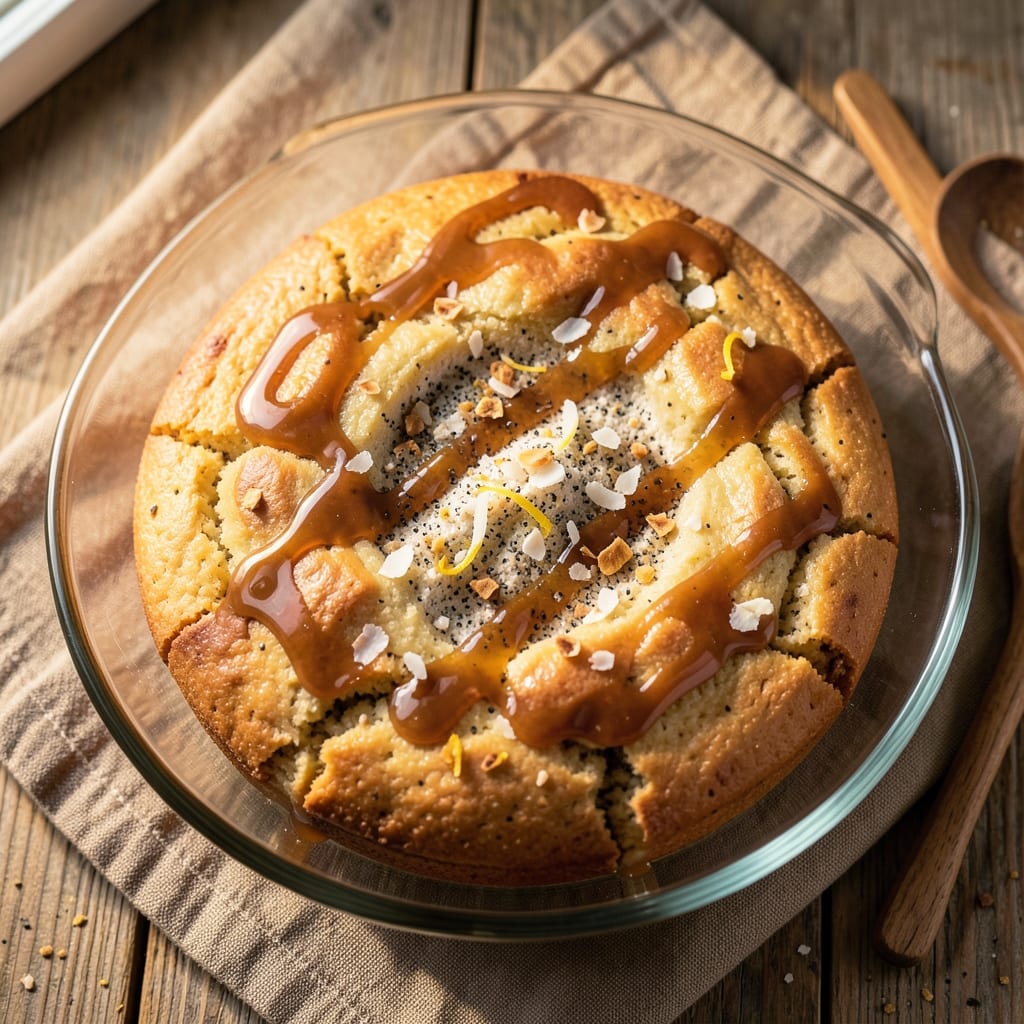
This allergen-free cake recipe delivers restaurant-quality vanilla layers that are tender, moist, and completely safe for gluten-free, dairy-free, and egg-free diets—without sacrificing flavor or texture. The secret lies in a simple yet effective substitution system that mimics traditional cake structure while accommodating dietary restrictions. After years of testing, this recipe consistently yields a cake so light and flavorful that even those without allergies won't notice the difference.
The foundation of this recipe is a foolproof gluten-free flour blend combined with dairy-free butter and a clever egg replacement that creates the perfect crumb. I developed this method after realizing how many people with dietary restrictions still crave classic vanilla cake—so I set out to recreate that nostalgic experience. The result is a cake with layers that stay moist for days, thanks to a strategic combination of applesauce and flaxseed meal that binds everything together beautifully.
What makes this recipe truly special is its versatility—it bakes up perfectly for birthdays, celebrations, or even a simple dessert craving, all while being completely safe for those with common food allergies. The vanilla flavor shines through without overpowering, and the texture remains tender rather than crumbly. Once you try this, you'll never settle for anything less than homemade again, regardless of dietary needs.
Ready to bake? This recipe requires just 15 minutes of prep and 30-35 minutes in the oven, making it perfect for busy schedules. The instructions are straightforward, and I've included tips for decorating or serving that will make your cake look and taste like it came from a bakery. Let's get started on creating a dessert that everyone can enjoy safely and happily.
Ingredients for allergen free cake
These carefully chosen ingredients create a moist, allergen-free vanilla cake that rivals traditional recipes.
| Ingredient | Amount | Notes |
|---|---|---|
| Gluten-Free All-Purpose Flour Blend 🌾 | 2 ½ cups | Store-bought or homemade mix (1 cup almond flour + 1 cup rice flour + 0.5 cup tapioca starch) |
| Dairy-Free Butter 🧈 | 1 cup | Miyoko's or Earth Balance preferred (full-fat for best texture) |
| Granulated Sugar 🍚 | 2 cups | Organic preferred for cleaner flavor |
| Unsweetened Applesauce 🍎 | ¾ cup | Unsweetened for neutral flavor (Mott's or homemade) |
| Ground Flaxseed 🌿 | ½ cup | Freshly ground for best binding (Bob's Red Mill recommended) |
| Vanilla Extract 🌸 | 2 tbsp | Pure Madagascar bourbon extract (no imitation) |
| Baking Powder 🧂 | 2 tsp | Aluminum-free for best rise |
| Salt 🧂 | ½ tsp | Fine sea salt for even distribution |
| Plain Non-Dairy Yogurt 🥛 | ½ cup | Coconut or almond yogurt (unsweetened) |
| Vanilla Bean Paste 🌸 | 1 tbsp | For intensified vanilla flavor (optional but recommended) |
| Almond Milk 🥛 | ½ cup | Unsweetened for neutral flavor profile |
| Lemon Zest 🍋 | 1 tbsp | Brightens flavor without overpowering |
| Vanilla Cake Extract 🌸 | 1 tbsp | For additional depth of flavor |
The gluten-free flour blend is non-negotiable here—Bob's Red Mill 1:1 or King Arthur Measure for Measure are my go-tos, but any reputable brand works. For the dairy-free butter, Miyoko's has the closest texture to real butter, though Earth Balance is a solid budget-friendly alternative. The flaxseed needs to be freshly ground (the Bob's Red Mill grinder is perfect for this), as pre-ground loses binding power fast. If you can't find vanilla bean paste, double the extract—just know it won't have that same complex flavor. The almond milk should be unsweetened; flavored versions can alter the cake's delicate balance.
No applesauce? Unsweetened pumpkin puree works at the same amount, though the flavor will shift slightly. Substituting the almond milk for oat milk is fine, but avoid soy milk—it can make the cake dense. For the vanilla extract, imitation vanilla—the cost difference is minimal, and the flavor difference is huge. If you're making this for a crowd, double the batch—the batter keeps well in the fridge for up to 24 hours. The lemon zest can be zested from one medium lemon, but if you're not a fan of citrus notes, reduce to 0.5 tbsp or omit entirely.
The batter thickens as it sits, so whisk everything together right before pouring into pans. For best results, let the batter rest for 10-15 minutes before baking—this helps the flaxseed fully activate. Store baked layers wrapped in plastic at room temperature for 3 days or freeze for 3 months. To keep them moist, I always brush the layers with a simple syrup (equal parts sugar and water, heated until dissolved) before assembling. The cake freezes beautifully too—just thaw overnight in the fridge before decorating.
Why You'll Love This Recipe
- You’re using pantry basics here: flour blend, sugar, and butter that won’t break the bank. Plus, the leftovers stay fresh for days, so you’re not scrambling to bake again next weekend. My wallet and my taste buds win.
- No-Fuss Mixing: I swear by this recipe—just toss the dry ingredients, fold in the applesauce and flax egg, and you’re done. No sifting, no waiting for eggs to come to room temp, just straightforward layers that come together faster than you can imagine.
- Moist Without Guilt: That applesauce swap keeps it light and tender, while the flaxseed adds a subtle nuttiness that balances the sweetness. Honestly, it’s the kind of cake that tastes like it was made with love, not restrictions.
- Birthday to Brunch: Serve it warm with a dusting of powdered sugar for a casual dessert, or slice it cold for a grab-and-go breakfast. I’ve even used it as a base for a no-bake cheesecake—works every time.
Step-by-step instructions for allergen-free vanilla cake
Here's how to create layers of perfect allergen-free cake that stay moist for days.
Mix Wet Ingredients for Maximum Moisture
In a large mixing bowl, combine the 1 cup dairy-free butter and 2 cups granulated sugar. Whisk together until the mixture is light and fluffy—this should take about 3-4 minutes. The butter should be completely incorporated, with no visible lumps, and the mixture should nearly double in volume.
Next, add the 0.75 cup unsweetened applesauce, 0.5 cup ground flaxseed, 0.5 cup plain non-dairy yogurt, 0.5 cup almond milk, 1 tbsp lemon zest, 2 tbsp vanilla extract, 1 tbsp vanilla bean paste, and 1 tbsp vanilla cake extract. Mix thoroughly until all ingredients are fully combined and the batter looks smooth. The applesauce and yogurt work together to keep the cake moist without needing dairy, while the lemon zest brightens the flavor subtly.
Combine Dry Ingredients for Perfect Rise
In a separate bowl, sift together the 2.5 cups gluten-free all-purpose flour blend, 2 tsp baking powder, and 0.5 tsp salt. This step ensures even distribution of the baking powder and salt, which prevents dense spots in the cake. Use a whisk to break up any lumps in the gluten-free flour blend.
Gradually add the dry ingredients to the wet mixture, mixing on low speed with an electric mixer or by hand with a spatula. Mix just until combined—overmixing develops gluten in the flour, which can make the cake tough. The batter should be thick but smooth, with no visible streaks of flour. If it looks too thick, add 1-2 tablespoons of almond milk to loosen it slightly.
Bake in Layers for Even Cooking
Preheat your oven to 350°F and grease two 8-inch round cake pans with dairy-free butter or line them with parchment paper. Divide the batter evenly between the two pans, filling them about two-thirds full. Smooth the tops with a spatula for even baking.
Bake for 25-30 minutes, or until a toothpick inserted into the center comes out clean. The edges should be golden brown, but the tops might still look slightly underdone—they'll firm up as the cakes cool. Rotate the pans halfway through baking for even cooking. The gluten-free flour blend requires careful monitoring to avoid overbaking, which can make the cake dry.
Cool and Layer for Ultimate Moisture
Remove the cakes from the oven and let them cool in the pans for 10 minutes. Then, transfer them to a wire rack to cool completely. While the cakes are cooling, prepare your filling—this could be a simple dairy-free buttercream, whipped coconut cream, or even a layer of jam. The key is to let the cakes cool completely before assembling to prevent soggy layers.
Once fully cooled, place one layer on a serving plate and spread a generous layer of your chosen filling. Top with the second layer and dust the entire cake with a light layer of powdered sugar or a sprinkle of gluten-free flour blend for a professional finish. This cake stays moist for days when stored properly in an airtight container, making it perfect for meal prep or special occasions.
Pro Tips For Making Allergen Free Cake
- Mix Dry Ingredients First: Gluten-free flour blends are finicky—don’t jump straight to creaming butter and sugar. Whisk your dry ingredients (flour, baking powder, salt) together first to avoid lumps, especially if your blend has a high starch content. I used to skip this, and my cakes always turned out dense.
- Use Cold Dairy-Free Butter: This isn’t just about texture—cold dairy-free butter creates air pockets when creamed with sugar, which is half the battle in a light cake. Let it sit in the fridge for 20 minutes before measuring, or even better, chill the bowl first. Warm butter = sad, flat cake.
- Don’t Overmix the Batter: Gluten-free batters have a short window before they turn gummy. Mix just until the flour is barely incorporated—think "streaky" rather than smooth. Overmixing activates the starches too much, and your cake will taste like glue. Stop when you see a few dry spots.
- Prep Flax Eggs Early: Ground flaxseed + water = your binding agent, and it needs time to thicken properly. Mix it 5 minutes before adding to the batter, not right before baking. I learned this after a cake collapsed mid-bake—now I set a timer and let it sit while I measure everything else.
Flavor customization for this recipe
Vanilla Variations
For a bolder vanilla flavor, replace the vanilla extract with 1 vanilla bean scraped and added directly to the batter. I’ve found that Madagascar bourbon vanilla adds depth, while Tahitian vanilla offers floral notes. For a citrus twist, add 1 tbsp orange zest alongside the lemon—it brightens the cake beautifully. 🌸
Chocolate Twist
Swap ½ cup of the gluten-free flour blend for ½ cup cocoa powder (ensure it’s dairy-free) and reduce the sugar to 1.75 cups. Add ½ cup dairy-free dark chocolate chunks to the batter for rich pockets of flavor. This version works perfectly with a raspberry filling or peanut-free chocolate ganache.
Spiced Options
Infuse warmth with ½ tsp cinnamon and ¼ tsp nutmeg for a carrot cake-inspired flavor. For a pumpkin spice variation, replace the applesauce with ½ cup pumpkin puree and add 1 tsp pumpkin pie spice. Both versions pair wonderfully with a dairy-free cream cheese frosting.
Fruit-Inspired Layers
Add ½ cup finely chopped strawberries or blueberries to the batter for a fruit cake effect. For a tropical vibe, fold in ½ cup shredded coconut and 1 tsp coconut extract. These variations work best with a light coconut whipped cream or dairy-free yogurt glaze.
Nut-Free Crunch
For texture without allergens, fold in ½ cup crushed gluten-free pretzels or toasted coconut flakes before baking. These add a satisfying crunch without relying on nuts. A honey-drizzled version (using agave syrup for vegan options) elevates the flavor further. 🌟
Decorating Ideas
Dust the top with powdered sugar for a classic finish, or drizzle with dairy-free chocolate ganache for elegance. Fresh berries or edible flowers add color without allergens. For a festive touch, pipe coconut whipped cream in swirls between layers. The key is keeping decorations simple yet visually appealing. ✨
Nutrition facts
Frequently asked questions
Can I make this cake without eggs completely?
Yes! This recipe uses a flaxseed egg substitute (ground flaxseed + water) that perfectly replaces eggs for binding. The 0.5 cup ground flaxseed in the ingredients already handles this—just mix it with 1.5 cups water (not included in the recipe) and let it sit for 5 minutes to gel before adding to the wet ingredients. This creates the same structure as eggs without any taste impact.
What's the best gluten-free flour blend to use?
For ideal results, use a pre-mixed gluten-free all-purpose blend like Bob's Red Mill 1:1 or King Arthur Measure for Measure. These contain the right balance of starches (like rice flour and tapioca) for proper texture. Avoid single-flour options like almond flour alone—it can make the cake dense. If you must DIY, mix 1 cup almond flour + 1 cup rice flour + 0.5 cup tapioca starch for a similar effect.
How do I prevent the cake from drying out?
The key is not overbaking—remove it when a toothpick comes out clean (usually 25-30 minutes). For extra moisture, brush the cooled layers with simple syrup (equal parts sugar and water, heated until dissolved) before assembling. Store in an airtight container with a slice of bread (to absorb moisture) or freeze for up to 3 months. The applesauce and yogurt in the batter also help maintain freshness.
Can I substitute the dairy-free butter with oil?
Not recommended—dairy-free butter provides the fat structure needed for a tender crumb. If absolutely necessary, use melted coconut oil at the same amount, but the texture will be slightly denser. For best results, stick with Miyoko's or Earth Balance dairy-free butter, which mimics real butter's performance. The oil substitution can also affect how the cake layers hold together.
What's the easiest way to make this nut-free?
This recipe is already nut-free, but if you're concerned about cross-contamination, use certified nut-free facilities for all ingredients. For extra texture without nuts, try ½ cup crushed gluten-free pretzels or toasted coconut flakes—both add crunch safely. Always check labels on gluten-free flour blends and dairy-free products for hidden nut traces. A clean workspace also helps prevent accidental contamination.