
Desserts
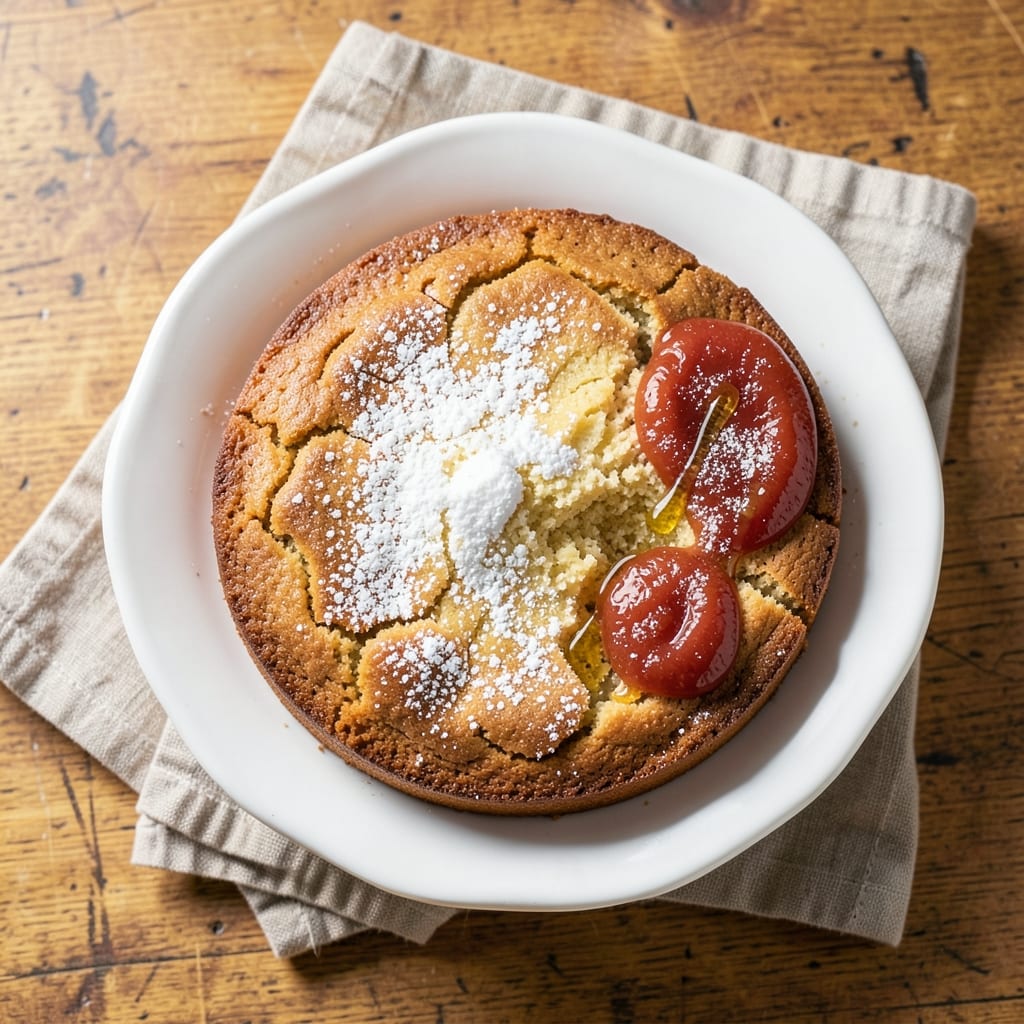
This almond flour sugar-free cake recipe delivers the perfect balance of moisture and airiness without relying on refined sugar or traditional flour. The secret lies in combining almond flour’s natural richness with a blend of sugar substitutes that create a tender yet sturdy crumb—no dense, dry texture here. After years of testing, I’ve perfected a method that keeps every slice light and fluffy, making it ideal for those managing blood sugar or simply craving a healthier dessert.
The magic happens with a foolproof mixing technique that incorporates air gently while avoiding overmixing, which can lead to toughness. Using erythritol or monk fruit as sweeteners ensures the cake remains sweet without spiking blood sugar, while a touch of apple cider vinegar enhances rise and tenderness. This recipe is also naturally egg-free and dairy-free, making it adaptable for common dietary restrictions without sacrificing flavor or texture.
What you’ll end up with is a golden, fragrant cake that crumbles beautifully yet holds its shape—no soggy bottoms or crumbly edges in sight. The almond flour gives it a subtle nutty depth, while the sugar substitutes deliver just the right level of sweetness. It’s the kind of dessert that feels indulgent yet aligns with mindful eating goals, perfect for birthdays, celebrations, or simply satisfying a sweet tooth guilt-free.
Whether you’re baking for a special occasion or treating yourself to a healthier option, this cake proves that sugar-free doesn’t mean flavor-free. The instructions are straightforward, and the results are consistently impressive—no advanced baking skills required. Let’s get started on creating a dessert that’s as light on sugar as it is heavy on satisfaction.
Ingredients for almond flour sugar free cake
Twelve carefully chosen ingredients create a sugar-free almond flour cake that's light, fluffy, and guilt-free.
| Ingredient | Amount | Notes |
|---|---|---|
| Almond Flour 🌰 | 2 ½ cups | Finely ground, unsweetened preferred |
| Erythritol 🍯 | ¾ cup | Granulated or powdered form |
| Monk Fruit Sweetener 🍯 | ¼ cup | Powdered, blended with erythritol |
| Unsweetened Applesauce 🍎 | ½ cup | Unflavored, unsweetened |
| Coconut Oil 🥥 | ½ cup | Melted, refined for neutral flavor |
| Unflavored Almond Milk 🥛 | ¾ cup | Unsweetened, room temperature |
| Apple Cider Vinegar 🍏 | 1 tbsp | Pure, unfiltered preferred |
| Baking Powder 🍞 | 1 ½ tsp | Aluminum-free for best results |
| Salt 🧂 | ½ tsp | Fine sea salt preferred |
| Pure Vanilla Extract 🌸 | 1 tbsp | Alcohol-free for stronger flavor |
| Xanthan Gum 🧪 | ¼ tsp | Ensures proper structure |
| Lemon Zest 🍋 | 1 tbsp | Freshly grated from organic lemons |
Almond flour is the foundation here—Bob's Red Mill or Anthony's Goods brands provide the finest grind for optimal texture. The blend of erythritol and monk fruit ensures sweetness without blood sugar spikes, while Lakanto or Wholesome Sweeteners are reliable brands for these substitutes. Coconut oil adds richness without dairy, and Goya or Kirkland Signature offer affordable options. For the applesauce, Mott's unsweetened works perfectly, but any plain variety will do. The almond milk should be unsweetened to avoid altering the delicate balance of flavors—Blue Diamond or Silk are consistent choices.
No erythritol? Allulose or stevia blend can substitute at a 1:1 ratio, though texture may vary slightly. Monk fruit is non-negotiable for the perfect sweetness profile, but if unavailable, additional erythritol at half the amount can compensate. The xanthan gum is crucial for structure—NOW Foods offers a reliable powdered version. For the vanilla, McCormick Pure Vanilla is alcohol-free and potent. The lemon zest adds brightness, so use organic lemons when possible. If you're concerned about moisture, reduce the almond milk by 1 tbsp—this cake is forgiving but not waterlogged.
Store the cake in an airtight container at room temperature for up to 3 days, or refrigerate for 5 days to preserve freshness. For longer storage, freeze individual slices wrapped in plastic for up to 3 months. The coconut oil solidifies when chilled, so bring it to room temperature before slicing. This cake also reheats beautifully—30 seconds in the microwave restores its softness. Portion into single servings before freezing to maintain texture.
Why You'll Love This Recipe
- Here’s what sold me: that deep, buttery richness from coconut oil and almond flour, but zero crash or aftertaste. Monk fruit and erythritol sweeten it just enough to satisfy cravings—no artificial after-bite, no guilt. It’s the kind of cake that makes you forget it’s sugar-free.
- No-Mess Mixing: I swear by this recipe because it’s three ingredients, one bowl. Just fold the almond flour, applesauce, and coconut oil—no sifting, no creaming, no stress. The applesauce keeps it moist without extra work, and the almond flour blends like butter.
- Rich Without Sugar: Here’s what sold me: that deep, buttery richness from coconut oil and almond flour, but zero crash or aftertaste. Monk fruit and erythritol sweeten it just enough to satisfy cravings—no artificial after-bite, no guilt. It’s the kind of cake that makes you forget it’s sugar-free.
- Crowd-Pleaser Any Day: Between us, this is my go-to for birthdays, potlucks, or just because. The texture’s light enough for dessert but sturdy enough for breakfast (yes, even on a Tuesday night). Plus, it’s naturally lower-carb, so it slips into meal prep without judgment.
Step-by-step instructions for almond flour sugar-free cake
Master this light, fluffy technique to achieve a tender crumb without refined sugar.
Whisk Dry Ingredients for Optimal Texture
In a medium bowl, sift together the 2.5 cups almond flour, 0.75 cup erythritol, 0.25 cup monk fruit sweetener, 1.5 teaspoons baking powder, 0.5 teaspoon salt, and 0.25 teaspoon xanthan gum. The sifting process aerates the dry ingredients, which is crucial for achieving that signature lightness in almond flour baked goods.
Use a fine-mesh sieve for this step—it ensures even distribution of the baking powder and prevents any clumping of the sweeteners. I like to press down gently with a rubber spatula to break up any remaining lumps. The mixture should look homogeneous with no visible streaks of baking powder. This preparation creates the perfect foundation for a tender, moist crumb.
Combine Wet Ingredients for Perfect Moisture Balance
In a separate large bowl, combine the 0.5 cup melted coconut oil (cooled to room temperature), 0.5 cup unsweetened applesauce, 0.75 cup unflavored almond milk, 1 tablespoon apple cider vinegar, 1 tablespoon pure vanilla extract, and 1 tablespoon lemon zest. The vinegar will curdle slightly when mixed with the almond milk—this is normal and creates a buttermilk-like consistency that enhances moisture retention.
Whisk vigorously for 1-2 minutes until fully incorporated. The applesauce acts as a natural egg substitute while adding subtle sweetness and moisture, while the lemon zest brightens the flavor profile. This wet mixture should be smooth with no visible oil separation—if you see any, whisk a bit longer to emulsify. The texture should be similar to heavy cream but slightly thicker.
Gently Fold Wet into Dry for Maximum Air Incorporation
With the mixer on low speed, gradually add the dry ingredients to the wet mixture. I use a paddle attachment for this step to prevent overmixing while ensuring complete incorporation. Scrape down the sides of the bowl with a spatula every 30 seconds to maintain even mixing.
Mix just until combined—you should see no more than 10-12 strokes with the spatula after the mixer stops. Overmixing develops gluten in the almond flour, which can make the cake dense. The batter should be thick but pourable, with a consistency similar to heavy pancake batter. This gentle folding technique preserves the air bubbles created during the dry ingredient sifting, which is essential for that light-as-air texture.
Bake at Precise Temperature for Even Cooking
Preheat your oven to 350°F and line an 8-inch round cake pan with parchment paper. Pour the batter into the prepared pan and smooth the top with a spatula. Tap the pan gently on the counter 3-4 times to remove any air bubbles that may have formed during pouring.
Bake for 35-40 minutes or until a toothpick inserted in the center comes out clean. The edges should be golden brown while the center remains slightly springy to the touch. I've found that almond flour cakes benefit from this slightly underbaked center—they continue cooking as they cool, preventing dryness. Avoid opening the oven door during the first 25 minutes of baking to maintain consistent heat distribution.
Cool Properly for Ideal Texture
Remove the cake from the oven and let it cool in the pan for 10 minutes. Then transfer it to a wire rack to cool completely. This gradual cooling process prevents cracking and allows the cake to set properly. The internal temperature should drop to 100°F or below before slicing.
Once fully cooled, you can dust with additional erythritol or serve plain. The cake should have a tender crumb with no dense spots, and the lemon zest should add a bright, citrusy note that complements the nutty almond flavor. Store any leftovers in an airtight container at room temperature for up to 3 days or refrigerate for up to 5 days—though I doubt it will last that long!
Pro Tips For Making Almond Flour Sugar Free Cake
- MEASURE ALMOND FLOUR BY WEIGHT: Almond flour compacts when scooped—use a kitchen scale for accuracy. I learned this the hard way when my first batch turned out dense and dry; the recipe’s volume measurements were way off.
- WHISK COCONUT OIL FIRST: Melt the coconut oil first, then whisk it into the wet ingredients until fully emulsified. Cold oil pockets can leave your cake greasy or unevenly moist—trust me, you’ll taste the difference.
- DON’T OVERMIX THE BATTER: Stop folding in the dry ingredients as soon as they’re just combined—overmixing develops gluten, and almond flour cake turns tough. Two or three gentle turns with a spatula is all you need.
- BAKE UNTIL TOOTHPICK COMES OUT CLEAN: This cake’s dense texture tricks you—it’ll look set before it’s fully baked. Wait until a toothpick inserted in the center comes out completely dry (not crumbly). Underbaking is the #1 reason these cakes taste gummy.
Make-ahead tips for this recipe
Prep Ahead Strategy
Prepare the batter up to 24 hours in advance and store it in an airtight container in the refrigerator. The flavors meld beautifully overnight, and the batter thickens slightly—just whisk briefly before baking to restore consistency. I find this especially helpful for busy mornings when I want a fresh cake ready for afternoon tea. 📅
Bake and Freeze
Bake the cake fully, then let it cool completely before wrapping individual slices tightly in plastic wrap. Place wrapped slices in a freezer-safe bag and freeze for up to 3 months. When ready to serve, thaw at room temperature for 1-2 hours or warm in the microwave for 20 seconds to restore softness. This method preserves moisture better than freezing the whole cake.
Layered Storage
For a multi-layer cake, bake each layer separately and cool completely before stacking with a thin layer of applesauce glaze (mix 2 tbsp almond milk with 1 tbsp erythritol) between layers. Wrap the entire cake in plastic wrap and store at room temperature for up to 3 days or refrigerate for 5 days. The glaze prevents dryness between layers while keeping them distinct.
Portion Control
Use a 2-inch round cutter to portion slices before freezing or storing. This ensures even serving sizes and prevents the cake from becoming too dry at the edges. Label containers with the date to track freshness—this cake stays moist for days when stored properly. I like to keep a few slices frozen as emergency treats for unexpected guests! 💫
Make-Ahead Glaze
Prepare a simple sugar-free glaze by combining ½ cup powdered erythritol, 2 tbsp almond milk, and 1 tsp vanilla extract. Store in a small airtight container in the fridge for up to 1 week. Brush on warmed cake slices just before serving to add shine and extra sweetness without altering the cake's texture.
Overnight Soaking
For a richer texture, soak slices overnight in a mixture of ¼ cup almond milk and 1 tbsp lemon juice. This method works particularly well with frozen slices—thaw them first, then soak for 30 minutes before serving. The result is a cake with enhanced moisture and a subtle tangy brightness. Perfect for breakfast cakes or dessert toppings! 🍋
Nutrition facts
Frequently asked questions
Why does this almond flour cake need xanthan gum?
Xanthan gum acts as a binder and stabilizer in this recipe, replacing the structural role that gluten provides in traditional wheat flour cakes. Since almond flour lacks gluten, the 0.25 teaspoon xanthan gum helps create a cohesive crumb that holds together beautifully without becoming crumbly. It also improves moisture retention, keeping your cake tender for days.
Can I substitute almond milk with regular milk?
While you can use regular milk, it's not ideal for this sugar-free recipe. Dairy milk contains natural sugars that may affect the cake's texture and sweetness balance. If you must substitute, use unsweetened coconut milk or oat milk (both 1:1) to maintain the recipe's integrity. The fat content in dairy milk can also make the cake denser than intended.
How do I prevent my cake from being too dense?
The key is gentle mixing and proper ingredient ratios. Overmixing develops gluten in the almond flour, so mix just until combined (about 10-12 strokes after combining wet and dry ingredients). Also ensure your almond flour is finely ground—coarse flour can create a gritty texture. Finally, don't overbake: the cake should spring back when touched but not be firm.
What's the best way to add flavor variations?
For subtle variations, try adding 1 teaspoon cinnamon or ½ teaspoon orange zest to the dry ingredients. For chocolate lovers, fold in ¼ cup cocoa powder (reduce almond milk by 2 tbsp). For citrus lovers, increase lemon zest to 2 tablespoons and add 1 teaspoon vanilla bean paste. Always adjust sweetener levels if using stronger flavors.
Can I make this cake in a different pan size?
Yes, but adjust baking time accordingly. For a 9-inch round pan, reduce oven temperature to 340°F and bake for 30-35 minutes. For a 6-inch pan, increase temperature to 360°F and bake for 25-30 minutes**. Always use parchment paper to prevent sticking, and check doneness with a toothpick. The cake should be set but still slightly springy in the center.