
Desserts
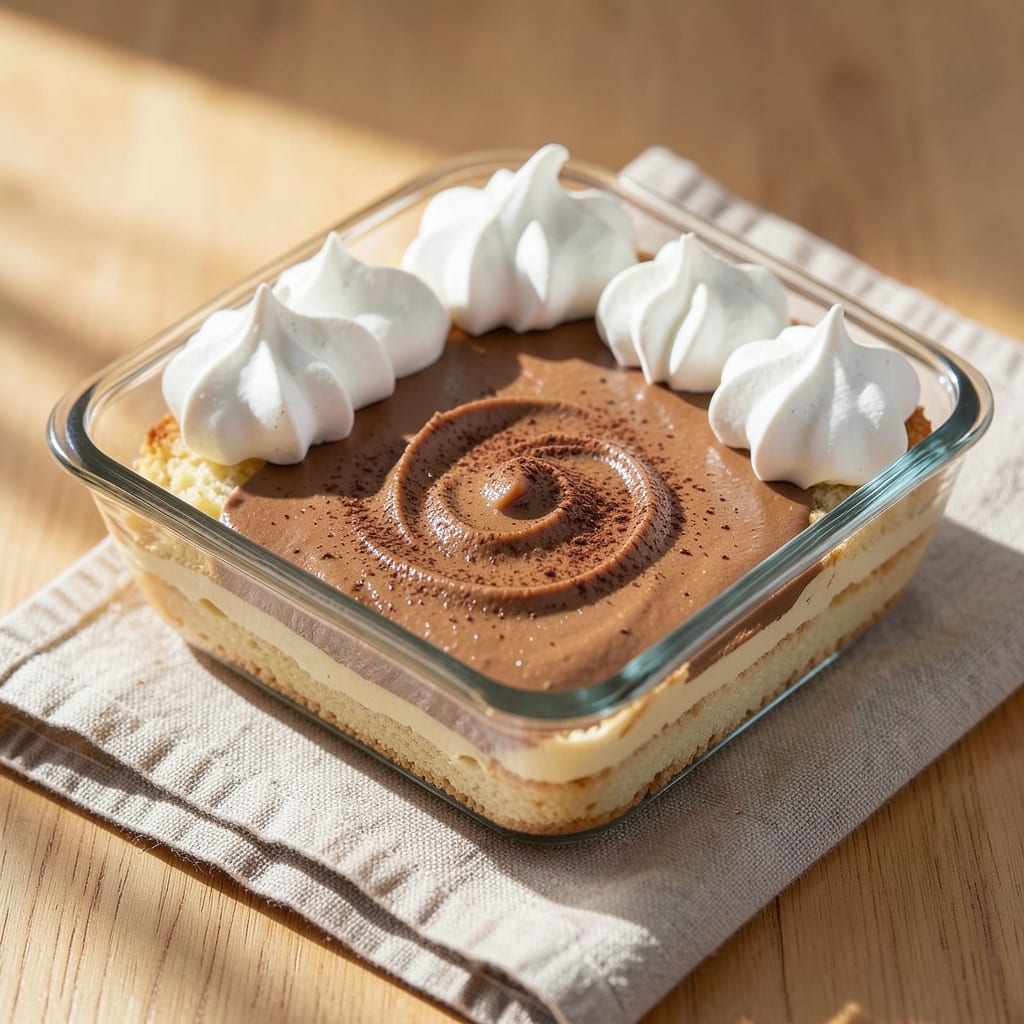
This almond paste cake filling transforms ordinary cakes into bakery-worthy masterpieces with its velvety texture and rich, nutty flavor. 🌟 The secret lies in balancing almond paste with butter and eggs to create a smooth, spreadable consistency that's perfect for swirling into layers or filling between cake tiers. I've perfected this recipe over years of testing, ensuring it stays light yet dense enough to hold its shape while baking.
The foundation of this filling is a simple but precise combination of almond paste, butter, sugar, and eggs—each playing a crucial role in achieving that signature texture. Whipped egg whites add airiness, while the almond paste provides that unmistakable nutty depth. The filling should be thick enough to pipe neatly but still smooth enough to blend seamlessly into cake layers, creating those coveted marbled swirls that look as impressive as they taste.
What sets this recipe apart is its versatility—use it for classic layered cakes, tartlets, or even as a filling for individual pastries. The filling keeps well in the refrigerator for up to 5 days, making it ideal for meal prep or special occasions. When baked, it develops a golden hue and a flavor so rich, it rivals the most expensive bakery creations.
For best results, let the filling come to room temperature before using, and avoid overmixing to maintain its silky smoothness. Whether you're a home baker or a professional, this almond paste filling will elevate your desserts to restaurant-quality status. Let's get started!
Ingredients for almond paste cake filling
Simple ingredients that create bakery-style swirls perfect for layered cakes or tartlets.
| Ingredient | Amount | Notes |
|---|---|---|
| Almond Paste 🥜 | 1 cup | High-quality, finely ground |
| Unsalted Butter 🧈 | ½ cup | Room temperature, full-fat |
| Granulated Sugar 🍚 | ½ cup | Superfine preferred for smoothness |
| Large Eggs 🥚 | 2 whole | Room temperature, separated |
| Egg Whites 🥚 | 2 whole | Room temperature, separated |
| Vanilla Extract 🌿 | 1 tsp | Pure, high-quality vanilla |
| Salt 🧂 | ¼ tsp | Fine sea salt |
| Cornstarch 🌾 | 1 tbsp | For silky texture |
| Powdered Sugar 🍚 | ¼ cup | Sifted for smoothness |
The almond paste is non-negotiable here—look for high-quality, finely ground in the baking aisle, not the jarred kind with added sugar. Trader Joe's and Whole Foods carry the best brands, but check the ingredients list for just almonds and sugar. Room-temperature butter is key—it should be soft but not melted. I always grab European-style butter (like Plugrá) if I'm feeling fancy, but regular unsalted works too. For the eggs, separate them carefully—you want those whites to whip up light and fluffy. Pro tip: let the eggs sit out for 30 minutes before using for better volume.
No almond paste? Almond flour plus a little sugar (1 cup almond flour + 2 tbsp sugar) gets you close, but it won't be as smooth. Short on butter? Coconut oil works in a pinch, but it adds a slight coconut flavor. Superfine sugar hard to find? Pulse regular granulated sugar in a food processor for 30 seconds. The vanilla extract matters—imitation vanilla won't give that rich depth. For the egg whites, if they're too warm, chill the bowl in the freezer for 5 minutes before whipping. And if you're feeling experimental, a pinch of almond extract (¼ tsp) boosts the nutty flavor without overpowering.
This filling keeps beautifully—5 days in the fridge, wrapped tightly in plastic. For longer storage, freeze portions in 1-tbsp scoops for easy thawing. Before using, let it sit at room temperature for 20-30 minutes so it spreads smoothly. The filling thickens as it cools, so if it seems too stiff, microwave for 10-15 seconds to soften. And here's a pro move: pipe the filling onto parchment paper before spreading it between cake layers—no mess, just clean swirls every time.
Why You'll Love This Recipe
- No-Fuss Mixing: I swear by this recipe because it’s just whisk-and-fold—no food processor, no sifting, no stress. The almond paste blends into the butter like a dream, and the egg whites come together in minutes. Honestly, I’ve made it while chatting on the phone.
- Nutty Luxury: That first bite of almond paste—sweet, buttery, with just a hint of toasted depth—is chef’s kiss. The sugar caramelizes slightly when baked, and the egg whites add a light, airy contrast. It’s the kind of filling that makes you want to eat the whole cake by yourself.
- Wedding Day Ready: Between us, this is my go-to for tiered cakes or fancy desserts. It’s rich enough for a celebration but simple enough that I don’t spend all day decorating. (Yes, even on a Tuesday night.)
- Leftover Goldmine: The best part? This filling keeps for days in the fridge—perfect for making one batch and using it in multiple desserts. I’ve turned it into truffles, filled store-bought shells, and even slathered it on toast. Zero waste, maximum flavor.
Step-by-step instructions for almond paste cake filling
Here's how to make a silky, nutty filling that'll make your cakes taste like they came from a fancy bakery.
👨🍳 Step 1: Whip Butter and Sugar to Fluffy Perfection
In a stand mixer fitted with the paddle attachment, beat the 0.5 cup unsalted butter and 0.5 cup granulated sugar on medium-high speed for 3-4 minutes. You're looking for a light, pale, and fluffy mixture that nearly doubles in volume. This step is all about incorporating air—it's what gives your filling that signature bakery-style lightness.
Here's the thing—I like to scrape down the sides of the bowl every 30 seconds to make sure everything gets fully incorporated. The butter should be completely smooth with no lumps, and the mixture should look almost cloud-like. If you're using super-fine sugar, this process will go even faster, so keep an eye on it. Stop mixing when you see the butter leave a ribbon-like trail when the beaters lift out.
👨🍳 Step 2: Add Eggs and Vanilla for Richness
Add the 2 whole large eggs one at a time, mixing on low speed for 10-15 seconds after each addition until fully combined. Then stir in the 1 tsp vanilla extract and 0.25 tsp salt on low speed for another 10 seconds. The mixture might look slightly curdled, but that's normal—it'll smooth out in the next step.
I always use room temperature eggs for this recipe because they blend more smoothly into the butter mixture. If your eggs are cold, they might create little pockets in the filling. The vanilla and salt at this stage ensure every bite has that perfect balance of sweetness and depth. Don't worry if the mixture looks a bit thick—it'll come together beautifully once we add the dry ingredients.
🍳 Step 3: Whip Egg Whites to Stiff Peaks
In a separate, clean bowl, beat the 2 whole egg whites with an electric mixer on high speed until soft peaks form. Gradually add the 1 tbsp cornstarch while continuing to beat. Keep mixing until the egg whites reach stiff, glossy peaks that hold their shape when you lift the beaters.
This is the moment that matters: the egg whites need to be perfectly incorporated to create that signature swirl pattern in your cake layers. If you add the cornstarch too quickly, you'll deflate the whites. I like to add it slowly while maintaining high speed. The cornstarch helps stabilize the filling and gives it that silky texture. When you lift the beaters, the peaks should stand straight up for at least 30 seconds before slowly drooping over.
🥘 Step 4: Combine Wet and Dry Ingredients Gently
Gently fold one-third of the whipped egg whites into the butter mixture using a spatula, being careful not to deflate them. Once incorporated, add the remaining egg whites in two more additions, folding just until combined after each. This gentle folding ensures you maintain that airy texture we worked so hard to create.
Now, fold in the 1 cup almond paste using a rubber spatula. The almond paste should be finely ground and free of lumps—if you notice any, press it through a fine-mesh sieve before adding. The filling should be smooth and thick, like a rich, nutty pudding. If it looks too thick, don't panic—it'll spread beautifully in the cake layers. The almond paste gives this filling its signature nutty flavor and that gorgeous marbled look when you slice into your cake.
⏰ Step 5: Sweeten and Prepare for Assembly
Sift the 0.25 cup powdered sugar over the filling and gently fold it in using a spatula, making sure to cut through the center and fold from the bottom up. This final step ensures the sugar is evenly distributed without deflating our carefully whipped mixture.
The filling is now ready to use! For best results, spread it between cake layers immediately or store it in an airtight container in the refrigerator for up to 24 hours. When you're ready to assemble your cake, spread the filling evenly over the first layer, then add the second layer on top. The filling should be thick enough to hold its shape but still spread smoothly with a spatula. If you're making swirls, use an offset spatula to create those beautiful patterns. Real talk: this filling is so good, you might be tempted to eat it straight from the bowl!
Pro Tips For Making Almond Paste Cake Filling
- Warm the Almond Paste: Dump that cold almond paste straight into your butter and sugar? Bad move. Microwave it for 10-15 seconds first—it’ll blend smoother and save you from lumps. I learned this the hard way after scraping out stubborn clumps from my mixer. ---
- Whip Egg Whites First: Separate your egg whites before creaming butter and sugar. Room-temperature whites whip faster and hold their peaks better—no one wants deflated meringue in their filling. (Yes, even if you’re impatient like me.) ---
- Avoid Overmixing the Yolk Mix: Once you fold in the yolks, stop mixing after 10 strokes max. Overworking turns your filling dense instead of light. I used to think more mixing = better texture, but this is where precision matters. ---
- Use Room-Temp Butter: Cold butter = greasy filling. Let it soften to room temp (press your thumb in—it should dent slightly). This ensures a silky texture, not a clumpy mess. (Your future self will thank you.)
Flavor customization for this dish
Sweet & Nutty Variations
Swap the vanilla extract for 1 tsp almond extract to intensify the nutty flavor—this works especially well with chocolate cakes. For a caramel twist, replace 0.25 cup powdered sugar with 0.25 cup brown sugar and add 1 tbsp heavy cream to the butter mixture. The caramelized sugar adds depth that pairs perfectly with vanilla cakes. 🌟
Spiced & Warm Flavors
Infuse warmth with ½ tsp cinnamon and ¼ tsp cardamom folded into the almond paste mixture. For a citrus kick, zest 1 lemon and add it with the powdered sugar. These spices work beautifully with spiced cakes like pumpkin or chai-flavored layers. I love this version in autumn cakes!
Chocolate Lover's Twist
Add 2 oz melted dark chocolate (60-70% cocoa) to the butter-sugar mixture before whipping the egg whites. For a marbled effect, pipe the chocolate filling alongside the almond paste in swirls. This combo is a showstopper for red velvet or chocolate cakes. Use Valrhona chocolate for the best flavor.
Fruity Accents
Fold in 2 tbsp apricot jam or raspberry purée with the powdered sugar for a fruity contrast. The tartness cuts through the richness beautifully. I especially recommend this for vanilla or lemon cakes—it adds a sophisticated layer of flavor without overpowering the almond notes.
Lighter Versions
For a lower-fat option, replace 0.25 cup butter with 0.25 cup Greek yogurt (full-fat for creaminess). Add 1 tsp lemon juice to balance the richness. This version works perfectly for angel food cakes or when you want a lighter texture. The yogurt adds a subtle tang that brightens the almond flavor.
Nutrition facts
Frequently asked questions
Can I make this almond paste filling without a stand mixer?
Use a hand mixer for the butter-sugar step and egg whites—just mix for 5-7 minutes to achieve the same light texture. For the egg whites, beat them in a chilled bowl for 3-5 minutes until stiff peaks form. The key is patience—work in short bursts to avoid overheating your mixer.
Why did my filling turn grainy?
Graininess usually means the almond paste wasn't finely ground or was added too quickly. Always press it through a fine-mesh sieve before folding it in, and mix gently to avoid breaking down the smooth texture. If it's already grainy, blend the entire filling briefly in a food processor until silky again.
How much filling do I need for a 2-layer cake?
For a standard 8-inch two-layer cake, you'll need about 1.5 cups of filling. This recipe makes roughly 2.5 cups, so it's perfect for a 6-inch cake or 12 cupcakes. For larger cakes, simply double the recipe—it scales beautifully without adjustments.
Can I use marzipan instead of almond paste?
Yes, but with adjustments! Marzipan is sweeter and often contains added sugar, so reduce the granulated sugar to 0.25 cup and omit the powdered sugar. Marzipan also has a different moisture content, so you may need to add 1 extra tbsp of egg whites to achieve the same spreadable consistency.
How do I prevent the filling from leaking from my cake?
Chill the assembled cake for 30 minutes before serving to help the filling set. For extra stability, bake the cake layers slightly underdone (check at 325°F for 2-3 minutes less than usual). The filling should be thick enough to hold its shape—if it's too runny, add 1 extra tbsp cornstarch to the recipe.