
Desserts
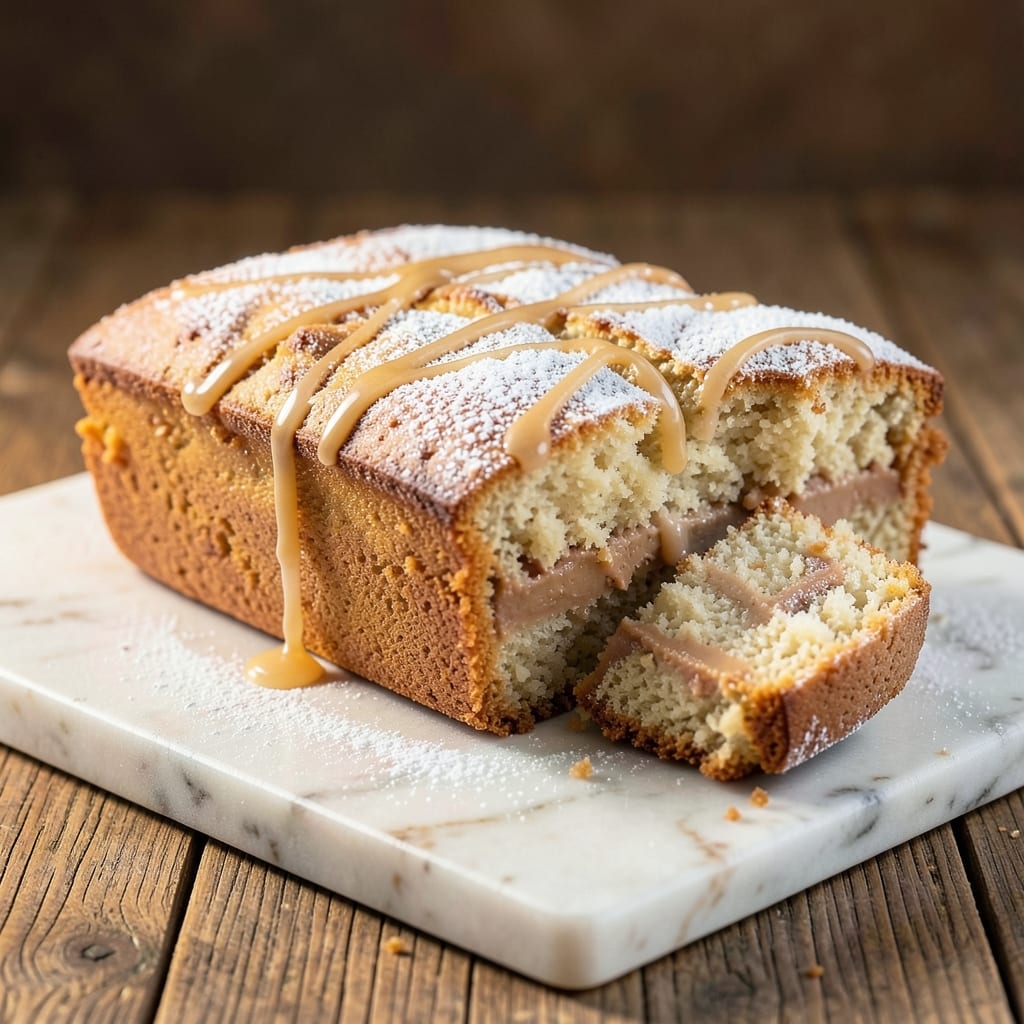
This almond paste pound cake delivers layers of ultra-moist vanilla cake swirled with rich almond paste, creating a dessert that's both elegant and irresistibly tender. 💛 The secret lies in precise layering and a foolproof mixing technique that ensures every bite has that perfect balance of sweetness and nutty depth. I've perfected this recipe over years of baking, and it never fails to impress—whether served at holiday gatherings or as a special treat for yourself.
The cake's signature texture comes from a combination of cake flour and almond paste, which adds moisture without making the cake dense. You'll start by creaming butter and sugar to achieve that light, airy crumb, then fold in egg yolks and vanilla for extra richness. The almond paste swirls create pockets of nutty flavor that cut through the sweetness beautifully. This recipe is vegetarian (though it contains eggs and butter) and requires just a few simple ingredients you likely already have on hand.
What sets this pound cake apart is its ability to stay moist for days, making it perfect for meal prep or gifting. The layers remain tender and flavorful even after cooling, and the almond paste swirls add a sophisticated touch without being overpowering. Whether you're serving slices with tea, using it for a dessert platter, or saving it for a celebration, this cake delivers restaurant-quality results with minimal effort.
For an extra touch of elegance, consider dusting the cake with powdered sugar or drizzling a light glaze. The possibilities for presentation are endless, but the cake itself is already a showstopper. Ready to bake a dessert that's sure to become a family favorite? Here's everything you need to get started.
Ingredients for almond paste pound cake
Twelve simple ingredients transform into layers of nutty, ultra-moist perfection.
| Ingredient | Amount | Notes |
|---|---|---|
| Unsalted Butter 🧈 | 1 cup | Softened to room temperature |
| Granulated Sugar 🍚 | 2 cups | Superfine preferred for smooth texture |
| Almond Paste 🥜 | 1 cup | High-quality, not marzipan |
| Large Eggs 🥚 | 4 whole | Room temperature for even mixing |
| Pure Vanilla Extract 🍯 | 2 tsp | Bourbon or Madagascar preferred |
| All-Purpose Flour 🌾 | 2 cups | Sifted for light texture |
| Cake Flour 🌾 | ½ cup | For ultra-tender crumb |
| Baking Powder 🧂 | 2 tsp | Aluminum-free preferred |
| Salt 🧂 | ½ tsp | Fine sea salt |
| Powdered Sugar 🍚 | ¼ cup | For dusting finished cake |
| Almond Slices 🥜 | ½ cup | Toasted for garnish (optional) |
| Heavy Cream 🥛 | ½ cup | For optional glaze (optional) |
The almond paste is non-negotiable here—Ghirardelli or Marzipan House brands deliver that rich, smooth texture. I grab mine from Williams Sonoma or the baking aisle at Whole Foods, but any quality brand works. The butter should have good marbling, not grainy crystals. For the flours, Bob's Red Mill cake flour is my go-to, but if you only have all-purpose, sift it extra well. The eggs? Room temperature is key—cold eggs create air pockets. Pro tip: Separate yolks and whites for better control when folding later.
No almond paste? Homemade almond butter blended with powdered sugar works in a pinch, but it's grainier. Short on cake flour? All-purpose plus 2 tbsp cornstarch mimics the texture. The vanilla extract can be imitation, but Madagascar or Tahitian adds depth. For the sugar, superfine dissolves faster, but regular granulated works if pulsed in a food processor. The optional glaze? Heavy cream plus powdered sugar is foolproof—just whisk until smooth. And if you're feeling fancy, toast those almond slices in a dry pan for 2 minutes—they add crunch and aroma.
This cake keeps beautifully—3 days at room temperature wrapped in plastic, or up to 1 week refrigerated. For longer storage, slice and freeze portions for 3 months. I always bake an extra pound—slices make perfect tea treats, and the leftovers disappear fast. The layers stay moist for days, so don't stress about baking ahead. Just store it properly, and it'll taste fresh-baked every time. The powdered sugar dusting? Save it for serving—it adds that final elegant touch without affecting storage.
Why You'll Love This Recipe
- No-Fuss Mixing: I swear by this recipe because it’s just three bowls—cream butter and sugar, whisk eggs, fold in almond paste. No sifting, no folding in flour, no stress. Honestly, the almond paste does all the heavy lifting, and I’m not even kidding when I say I’ve made this while scrolling through emails.
- Rich Without Effort: That buttery almond paste base? It’s like a hug in cake form—creamy, slightly nutty, and sweet enough to satisfy without tasting cloying. The vanilla extract ties it all together, but the real magic is how the eggs keep it moist for days. (Yes, even on a Tuesday night.)
- Slice It Any Time: This cake keeps beautifully, so I bake one batch and slice it for breakfast with coffee, dessert after dinner, or even a quick snack when my kid’s friends show up unannounced. The texture holds up—no crumbly mess, just clean cuts every time.
- Budget-Friendly Luxury: Almond paste might sound fancy, but a single block stretches to three cakes, and the rest of the ingredients are pantry staples. I’ve used this to impress guests, pack lunches, or just treat myself—no guilt, all flavor. (Between us, it’s my secret weapon for looking like a baking pro.)
Step-by-step instructions for almond paste pound cake
Here's how to create layers of nutty swirls and ultra-moist crumb every time.
👨🍳 Step 1: Cream Butter and Sugars to Light and Fluffy
In a stand mixer fitted with the paddle attachment, beat the 1 cup unsalted butter and 2 cups granulated sugar on medium speed for 3-4 minutes. You're looking for a pale, fluffy mixture that nearly doubles in volume. This step incorporates air, which creates that signature tender crumb we want in pound cake.
Here's the thing—don't rush this. I like to scrape down the sides every minute to ensure everything gets properly emulsified. The butter should be completely smooth with no graininess, and the mixture should leave a ribbon trail when you lift the paddle. This ensures maximum moisture in your final cake.
👨🍳 Step 2: Add Eggs and Vanilla for Rich Flavor
Add the 4 whole large eggs, one at a time, mixing on low speed after each addition until fully incorporated. Then add the 2 teaspoons pure vanilla extract and mix for another 30 seconds. The eggs should blend smoothly without breaking, and the vanilla will infuse throughout the batter.
I always use room temperature eggs for this recipe—they mix more evenly and create a lighter texture. If your eggs are cold, the batter can become lumpy. You'll know you're on the right track when the mixture looks like pale yellow custard and leaves a thick ribbon when you lift the paddle.
👨🍳 Step 3: Mix in Dry Ingredients and Almond Paste
In a separate bowl, whisk together the 2 cups all-purpose flour, 0.5 cup cake flour, 2 teaspoons baking powder, and 0.5 teaspoon salt. Sift this mixture directly into the wet ingredients and mix on low speed for 30-45 seconds until just combined. You should still see some flour streaks—overmixing develops gluten and makes the cake tough.
Remove the bowl from the mixer and gently fold in the 1 cup almond paste using a silicone spatula. The almond paste should be broken into small chunks for even distribution throughout the batter. This is where that nutty flavor gets infused into every bite—don't skip this step!
🥘 Step 4: Create the Signature Swirl Pattern
Divide the batter evenly between two 9-inch round cake pans lined with parchment paper. For each pan, spread about half the batter to create an even layer. Then, using a spoon, create a well in the center and add about 2 tablespoons of almond paste to each pan. Spread it slightly, then carefully pour the remaining batter over the almond paste.
Gently swirl the batter with a knife or offset spatula to create those beautiful nutty ribbons throughout the cake. The key is to keep the swirls even and not overmix—you want visible streaks of almond paste, not a completely blended cake. Tap the pans gently on the counter to release any air bubbles before baking.
🔥 Step 5: Bake to Golden Perfection
Preheat your oven to 350°F. Place the prepared cake pans on the middle rack and bake for 50-55 minutes, or until a toothpick inserted in the center comes out clean. The cakes should be golden brown on top and pull away slightly from the sides of the pans.
I know it seems like a long time, but patience here is crucial. The cakes need to bake through completely to maintain that moist texture. If the tops brown too quickly, tent the pans with aluminum foil after 30 minutes to prevent overbrowning while still allowing the centers to cook through.
⏰ Step 6: Cool and Assemble Layers
Remove the cakes from the oven and let them cool in their pans for 10 minutes. Then transfer them to a wire rack to cool completely. Once cooled, level the tops if needed using a serrated knife. This ensures even layers when you stack them.
For the optional glaze, whisk together the 0.5 cup heavy cream and 0.25 cup powdered sugar until smooth. Drizzle this over the stacked cake layers. The glaze adds a beautiful finish and keeps the cake moist for several days. Toast the 0.5 cup almond slices in a dry skillet for 2-3 minutes until golden and sprinkle them over the top for extra crunch and presentation.
Pro Tips For Making Almond Paste Pound Cake
- Cream Butter and Sugar Slowly: I used to dump everything in the mixer at once, and the batter would turn greasy—like a sad, buttery mess. Instead, beat the butter and sugar on medium-high for 3-4 minutes until it’s pale and fluffy. That light color means proper aeration, which keeps the cake tender, not dense. (Yes, even if you’re impatient like me.) ---
- Pulse Almond Paste First: Almond paste is stubborn—it clumps like a grumpy cat when you try to mix it in. Pulse it in the food processor for 10 seconds before adding it to the batter. This breaks up the texture so it blends smoothly, giving you that classic marbled look without fighting the mixer. ---
- Don’t Overmix the Eggs: I learned this the hard way—whipping eggs too long turns them into meringue, and your cake will taste like a dry, sad sponge. Fold them in gently with the vanilla, just until combined. The batter should look like thick, glossy ribbon when you lift the whisk. Stop before it gets glossy. ---
- Test for Doneness Early: This cake’s dense, so it won’t spring back like a vanilla pound cake. Instead, insert a skewer at the center—it should come out clean but leave a few moist crumbs. Pull it out at 25-30 minutes, even if it looks underdone. The residual heat finishes cooking it perfectly. (Your future self will thank you.)
Troubleshooting this recipe
Dense Cake Texture
If your cake turns out dense instead of light and fluffy, you likely overmixed the batter or didn't incorporate enough air during the creaming stage. I've found that using cake flour (not all-purpose) makes a huge difference—it has a lower protein content that prevents toughness. Also, make sure your butter and eggs are at room temperature; cold ingredients can't emulsify properly. For an extra lift, add 1 teaspoon baking powder to the dry ingredients if your recipe calls for less.
Cracked Top or Soggy Layers
A cracked top usually means the oven was too hot or the cake baked too quickly. To prevent this, tent the pans with aluminum foil after 30 minutes if the tops are browning too fast. For soggy layers, your cake might not have baked long enough—check with a toothpick. If it comes out clean but the cake still feels underdone, bake for an additional 5-10 minutes. Always preheat your oven for at least 20 minutes to ensure even heat distribution.
Almond Paste Not Swirling Properly
If the almond paste clumps or doesn't create those beautiful ribbons, it's likely too thick or not spread evenly. I recommend breaking the almond paste into small chunks before folding it into the batter, and using a silicone spatula to gently swirl it in. For a smoother swirl, spread half the batter in the pan first, then add a thin layer of almond paste before pouring the remaining batter on top. Tap the pan gently on the counter to release air bubbles before baking.
Dry or Crumbly Cake
Dryness usually happens when the cake overbakes or the butter wasn't properly creamed. To fix this, reduce baking time by 5 minutes and check for doneness earlier. For extra moisture, add 1 tablespoon sour cream or Greek yogurt to the batter. Also, make sure your almond paste isn't too dry—if it is, mix it with 1 teaspoon milk or cream before adding it to the batter. Store the cake in an airtight container with a slice of bread to keep it moist longer.
Uneven Baking or Raw Centers
Uneven baking often occurs if the oven isn't properly calibrated or the cake pans aren't placed on the middle rack. Rotate the pans halfway through baking to ensure even heat exposure. For raw centers, your oven might not be hot enough—use an oven thermometer to confirm it's at 350°F. If the center is still undercooked, tent the cake with foil and bake for another 10 minutes. Let the cake cool completely before slicing to allow residual heat to finish cooking the center.
Almond Paste Taste Too Strong
If the almond flavor overpowers the cake, you might have used too much almond paste. Stick to the 1 cup measurement and break it into small chunks for even distribution. For a milder flavor, mix ½ cup almond paste with ½ cup finely ground almonds. Alternatively, reduce the vanilla extract to 1 teaspoon to let the almond flavor shine without overwhelming the palate. Balance the sweetness with a dusting of powdered sugar or a drizzle of glaze to complement the nutty notes.
Nutrition facts
Frequently asked questions
Can I make this cake without almond paste?
Yes, but the texture and flavor will change. For a similar nutty taste, blend 1 cup almond butter with ½ cup powdered sugar to mimic almond paste consistency. Alternatively, fold in ½ cup finely chopped toasted almonds directly into the batter for a different texture. Just note the flavor won't be as rich or smooth.
How do I store leftovers to keep them moist?
Wrap the cake tightly in plastic wrap and store at room temperature for 2-3 days. For longer storage, refrigerate for up to 1 week in an airtight container with a slice of bread to maintain moisture. To revive stale slices, warm them briefly in the oven at 300°F for 5-10 minutes.
What's the best way to level the cake layers?
Use a serrated knife and a leveling guide (like a ruler or cake leveler) for perfect even layers. Place the guide on the cooled cake, then gently saw back and forth with the knife. For extra precision, chill the cake in the freezer for 10 minutes before leveling—it'll be firmer and easier to slice cleanly.
Can I make this cake in a different pan size?
Yes, but adjust baking time accordingly. For a 9x13-inch pan, bake 40-45 minutes at 350°F. For a 6-inch pan, bake 35-40 minutes. Always use a toothpick test—it should come out clean. The cake will be thicker or thinner, but the texture remains the same when baked properly.
Why does my cake have a strong almond smell?
The almond paste's natural oils can create a strong aroma during baking. This is normal! The smell dissipates as the cake cools. To reduce it, ensure your almond paste isn't expired (old paste smells more pungent). Also, add 1 teaspoon lemon zest to the batter—it balances the nutty flavor while keeping the aroma pleasant.