
Desserts
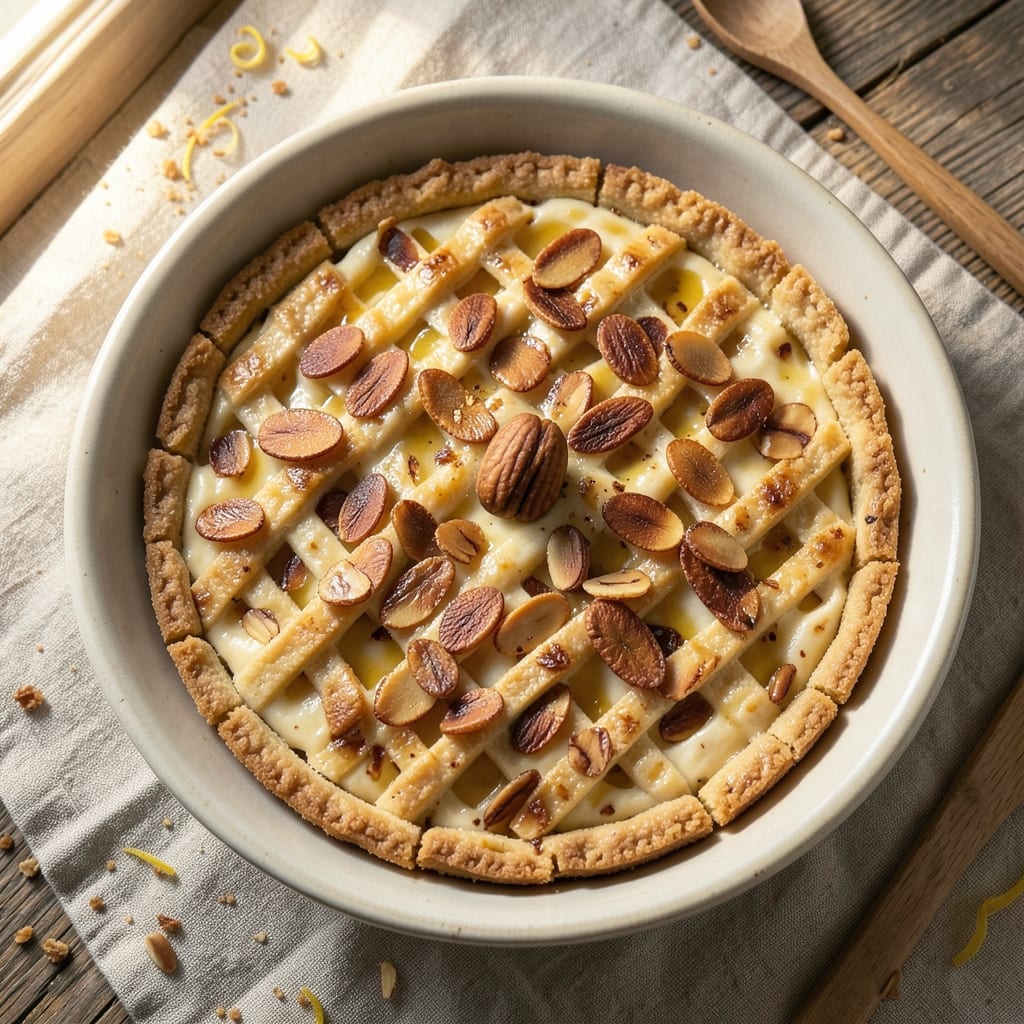
This almond tart cake delivers the perfect balance of a crispy crust and velvety almond filling that bakes into golden perfection. The secret lies in a buttery, nutty crust that stays firm while the filling transforms into a luscious, marbled center—no soggy bottoms here. I developed this recipe after years of testing, ensuring every layer holds its shape and flavor until the final slice.
The foundation starts with a rich almond flour crust, enriched with toasted almonds for extra crunch and depth. While it bakes to a golden, crackly shell, the filling—a blend of ground almonds, sugar, and eggs—creates a silky texture that caramelizes just enough to hold together beautifully. The key is patience: letting the crust pre-bake before adding the filling prevents any leakage, guaranteeing clean slices every time.
What you'll end up with is a dessert that looks as impressive as it tastes—crispy edges that give way to a tender, nutty filling with just the right amount of sweetness. The aroma alone will have everyone gathering around your kitchen, and the first bite delivers that perfect contrast of textures and flavors. This tart cake is elegant enough for special occasions but simple enough for a weeknight treat.
Serve it warm with a dusting of powdered sugar or a scoop of vanilla ice cream for the full experience. The recipe scales perfectly for gatherings, and leftovers keep well for up to three days. Let's get baking!
Ingredients for almond tart cake
Crispy crust meets silky filling—just these 12 ingredients transform into showstopping almond tart cake.
| Ingredient | Amount | Notes |
|---|---|---|
| Almond Flour 🥜 | 2 cups | Finely ground, not almond meal |
| Unsalted Butter 🧈 | 1 cup | Cold, cubed for crust |
| Granulated Sugar 🍚 | ¾ cup | Superfine preferred for smoothness |
| Large Eggs 🥚 | 3 whole | Room temperature for blending |
| Vanilla Extract 🌿 | 1 tbsp | Pure, high-quality preferred |
| Toasted Sliced Almonds 🥜 | ½ cup | Lightly browned for crunch |
| Salt 🧂 | ¼ tsp | Fine sea salt preferred |
| Ground Almonds 🥜 | 1 ½ cups | Extra-fine texture for filling |
| Powdered Sugar 🍚 | ½ cup | For dusting, plus extra |
| All-Purpose Flour 🌾 | ¼ cup | For crust structure |
| Lemon Zest 🍋 | 1 tsp | Fresh, bright flavor |
| Heavy Cream 🥛 | ¼ cup | Optional for extra richness |
The almond flour makes all the difference—Bob's Red Mill or King Arthur are my go-tos, but any finely ground almond flour works. Toast your sliced almonds in a dry pan until golden for that extra crunch. Butter? Use cold, cubed butter—it creates flaky layers. If you can't find superfine sugar, pulse regular granulated sugar in a food processor for 30 seconds. The ground almonds should be extra-fine for that velvety texture—blend your own if possible, or buy pre-ground at specialty stores.
No vanilla extract? Vanilla bean paste works too. Short on almond flour? Substitute half with all-purpose flour, but texture will change slightly. The heavy cream is optional but adds richness—half-and-half works in a pinch. For a nut-free version, skip the toasted almonds and add 1 extra tbsp lemon zest to boost flavor. Pre-made crust? Use a pre-baked tart shell—just blind-bake it first to prevent sogginess. The key is patience: don't overmix the filling, or it'll get tough.
Store leftovers in an airtight container at room temp for 2 days or refrigerate for 5 days. The crust stays crispy at room temp, but filling firms up when cold—bring to room temp before serving. Freeze for up to 3 months—thaw overnight in the fridge. Serve warm with a dusting of powdered sugar or a scoop of vanilla ice cream. The aroma alone will have everyone waiting for seconds.
Why You'll Love This Recipe
- No Mixer Needed: I swear by this recipe when my mixer’s on vacation—just cream butter and sugar by hand until light and fluffy. Almond flour’s forgiving, so no overmixing worries here.
- Rich Without Overpowering: That first bite? Buttery, lightly sweet, with almonds whispering instead of shouting. Vanilla ties it all together—no artificial aftertaste, just pure, warm comfort.
- Brunch or Snack: Serve it warm with a drizzle of honey for a lazy Sunday morning, or cut into bars for a protein-packed office snack. Even my kids ask for seconds (and they’re not usually dessert fans).
- Leftover Goldmine: Bakes up perfectly the next day—slice it thin for tea sandwiches or crumble over yogurt. Honestly, the second batch is often the best part.
Step-by-step instructions for almond tart cake
Here's how to build a showstopping tart with a golden crust and velvety almond filling.
Prepare the Crust Mixture
In a large bowl, combine the 2 cups almond flour, 0.25 cup all-purpose flour, 0.25 tsp salt, and 1 tsp lemon zest. Whisk until evenly distributed—this ensures the crust gets that perfect texture without any dry spots. In a separate bowl, cut the 1 cup cold unsalted butter into small cubes (about ½-inch pieces) for even distribution.
Using a pastry cutter or your fingers, work the butter into the dry ingredients until the mixture resembles coarse crumbs with pea-sized butter pieces remaining. Press the dough into a 9-inch tart pan (preferably with a removable bottom) and chill in the refrigerator for 30 minutes. This chilling step is crucial—it prevents the crust from shrinking during baking and helps maintain that crispy texture we're after.
Blind Bake the Crust
Preheat your oven to 350°F. Line the chilled crust with parchment paper and fill it completely with pie weights or dried beans. Bake for 15 minutes—this pre-baking step prevents the filling from making the crust soggy later. Remove the weights and bake for another 10 minutes until the edges are light golden brown and the crust is set. The center should still look slightly pale, which is perfect for the filling.
Let the crust cool completely on a wire rack before adding the filling. I know it's tempting to rush, but this waiting period ensures the crust stays crispy and doesn't absorb too much moisture from the filling. While it cools, you can prepare the filling ingredients—this keeps everything moving efficiently.
Make the Almond Filling
In a food processor, combine the 1.5 cups ground almonds, 0.75 cup granulated sugar, 0.5 cup powdered sugar, 3 whole large eggs, 1 tbsp vanilla extract, and 0.25 cup heavy cream (if using). Process until completely smooth, scraping down the sides as needed. The mixture should be thick and glossy—this consistency is key for that silky texture we want in the final tart.
Transfer the filling to a medium bowl and fold in the 0.5 cup toasted sliced almonds by hand. This step ensures the almonds stay whole and provide that beautiful crunch in every bite. Gently pour the filling into the cooled tart shell, spreading it evenly with a spatula. The filling should come about ½-inch from the top edge of the crust.
Bake to Golden Perfection
Return the tart to the oven and bake at 350°F for 35-40 minutes. You'll know it's done when the filling is set but still slightly jiggly in the center (it will firm up as it cools), and the edges are golden brown. If the top starts to brown too quickly, tent the tart with aluminum foil to prevent over-browning while allowing the center to finish cooking.
Remove from the oven and let the tart cool completely on a wire rack. This cooling period is important—it allows the filling to set properly and prevents a runny center. Once cooled, dust the top generously with an additional 2-3 tablespoons powdered sugar for that classic tart finish. Serve at room temperature for the best texture and flavor.
Pro Tips For Making Almond Tart Cake
- Whip Butter Properly: Cream the butter and sugar until it’s pale, fluffy, and holds a ribbon when you lift the beaters—about 3-4 minutes. I used to rush this, and the cake turned dense; almond flour needs that airy base to stay tender. ---
- Sift Almond Flour Twice: Almond flour clumps like a grumpy cat—sift it once before mixing, then sift the dry ingredients again after adding eggs. My first batch had weird texture because I skipped this; now it’s silky smooth every time. ---
- Don’t Overbake the Crust: Pull the tart from the oven when the edges are golden but the center still looks slightly underdone—it’ll firm up as it cools. After burning two crusts, I learned to trust the "just set" stage, not "fully brown." ---
- Chill the Dough: Let the batter rest in the fridge for 20-30 minutes before baking. This prevents cracking and helps the almond flavor meld—yes, even if you’re impatient like me. The wait makes the difference.
Common mistakes when making great almond tart cake
Overmixing the Filling
I've seen this happen more times than I can count—overmixing the almond filling turns it dense and rubbery instead of silky. The filling needs to stay thick and glossy, so pulse it in the food processor just until smooth, about 30-45 seconds. Once you transfer it to the bowl, fold in the toasted almonds gently with a spatula—no vigorous stirring! Overmixing incorporates too much air, which can cause the filling to collapse during baking or develop a grainy texture. 🥜
Skipping the Blind Bake
The blind bake is non-negotiable for that perfect crispy crust. Without it, the filling's moisture will steam the crust, making it soggy instead of crackly. I've tried shortcuts, and trust me—it's worth the extra 25 minutes. Use pie weights or dried beans to press the crust into shape during pre-baking. If you don't have weights, crumpled aluminum foil works in a pinch. The crust needs to be fully set before the filling goes in.
Using Warm Ingredients
Cold butter and room-temperature eggs are your best friends here. Cold butter creates flaky layers in the crust, while warm eggs blend smoothly into the filling. I've ruined crusts by using melted butter—it makes the dough greasy and prone to shrinking. For the eggs, take them out of the fridge 30 minutes before using. The same goes for the almond flour—if it's cold, the filling will turn out lumpy. Let all ingredients sit at room temperature before mixing.
Overfilling the Tart
Filling the tart too high causes spillage and uneven baking. The filling should reach only about ½-inch from the crust's edge—any more risks a messy kitchen and a tart that doesn't set properly. I've learned this the hard way when my first attempt overflowed dramatically. If you're worried about the filling not looking full enough, press it down gently with a spatula before baking. The final result will still look impressive with proper technique.
Baking at Wrong Temperature
This tart needs steady 350°F heat—no higher, no lower. Too hot, and the crust burns before the filling sets. Too cool, and the center stays undercooked. I've seen home ovens vary by 25°F, so always use an oven thermometer. If your oven runs hot, reduce the temperature to 325°F and add 5-10 minutes to the baking time. The filling should be just set with a slight jiggle in the center when done.
Not Cooling Properly
Rushing the cooling process is a common mistake that leads to a runny center. The tart needs at least 2 hours to set completely at room temperature. I know it's tempting to slice into it warm, but patience pays off—this is when the filling firms up and the crust crisps perfectly. For even better results, chill the tart in the fridge for 1 hour after cooling. The texture contrast between the warm filling and cool crust is what makes this dessert truly special. ⏰
Nutrition facts
Frequently asked questions
Can I make this almond tart without a food processor?
Yes! For the filling, mix the ground almonds, sugars, eggs, and vanilla by hand with a whisk until completely smooth. The texture will be slightly less glossy but still delicious. For the crust, use a pastry cutter or your fingers to work the butter into the flour mixture—just be patient and keep the butter cold to prevent melting.
How do I store leftovers to keep the crust crispy?
Store the tart in an airtight container at room temperature for up to 2 days. For longer storage, refrigerate for 5 days—the crust stays crispy, but the filling will firm up. To revive, let it sit at room temperature for 30 minutes before serving. Freezing isn't recommended as it can make the crust rubbery.
Can I substitute almond flour with regular flour?
You can use 1 cup all-purpose flour instead of almond flour, but the texture will be different—less nutty and more cake-like. For the crust, replace 1 cup almond flour with flour, but add 1 extra tbsp cold butter to compensate. The filling will still work, but the flavor and moisture balance will change slightly.
Why did my tart filling turn out grainy?
Grainy filling usually means the almonds weren't ground fine enough or the mixture wasn't smooth. For future attempts, blend the ground almonds in a food processor until completely powdery, then mix with wet ingredients until glossy. If using pre-ground almonds, pulse them briefly to break up any clumps. Also, ensure all ingredients are at room temperature before mixing.
How can I make this tart nut-free?
For a nut-free version, skip the toasted sliced almonds in the filling and crust. Replace the 2 cups almond flour with 2 cups all-purpose flour and add 1 extra tbsp lemon zest to enhance flavor. The crust will be less rich, but still delicious. For the filling, use 1.5 cups powdered sugar instead of ground almonds to maintain sweetness and texture.