
Desserts
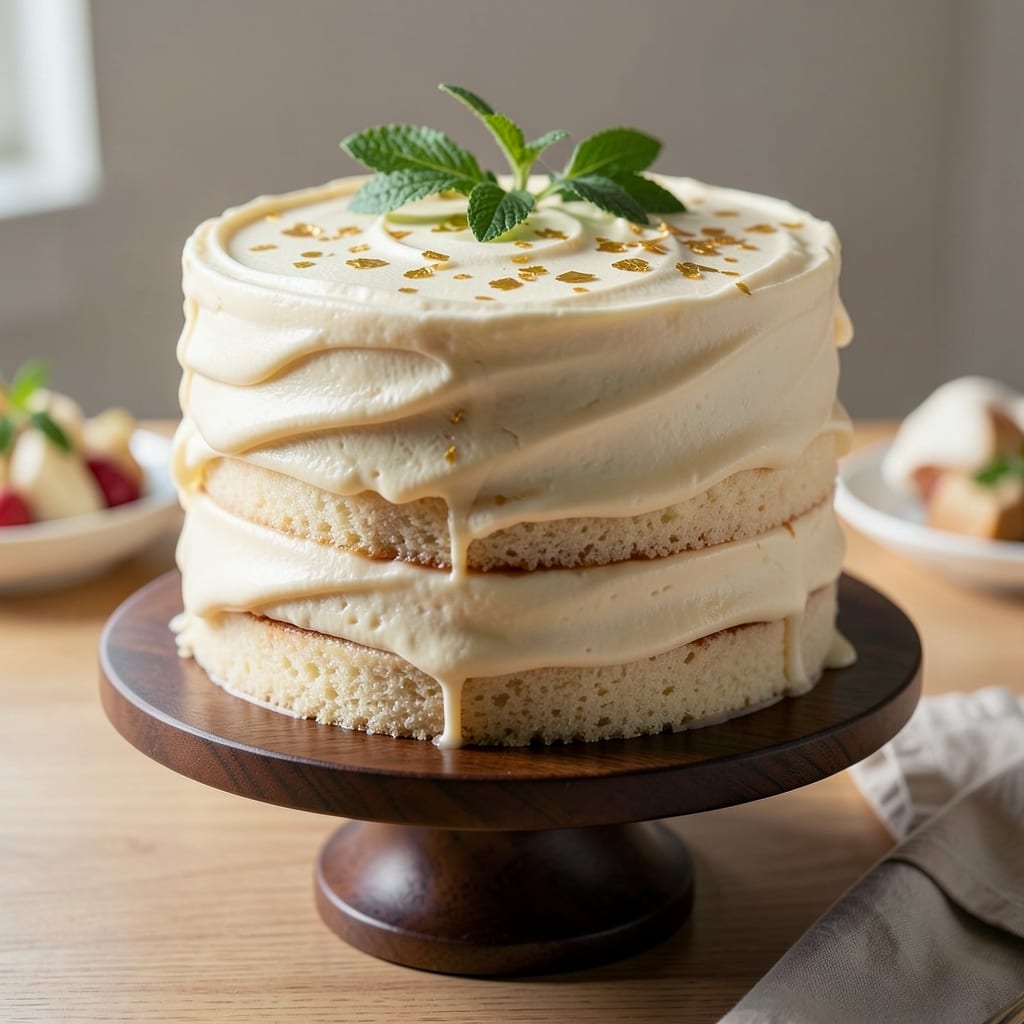
This almond wedding cake frosting transforms your cake into a showstopper with its velvety texture and delicate nutty aroma. 💛 The secret lies in blending almond extract with classic buttercream, creating a rich, elegant finish that’s perfect for multi-tiered designs. I’ve perfected this recipe to ensure it’s smooth enough for flawless swirls yet sturdy enough to hold intricate decorations.
What sets this frosting apart is its balance of buttery richness and almond’s subtle sweetness, achieved through precise measurements and gentle folding. The recipe uses simple ingredients—unsalted butter, powdered sugar, and a touch of almond extract—without compromising on professional results. It’s ideal for both traditional and modern wedding cakes, offering a sophisticated twist on classic buttercream.
By the time you’re done, you’ll have a frosting that’s silky-smooth, stable enough for tiered cakes, and boasts that signature almond elegance. The technique ensures no lumps or air pockets, making it perfect for piping rosettes, borders, or smooth coverage. Whether you’re a beginner or an experienced baker, this recipe delivers restaurant-quality results at home.
Pair it with your favorite cake flavor—vanilla, chocolate, or fruit—to create a wedding dessert that’s as delicious as it is stunning. The frosting keeps well for up to 3 days, allowing you to decorate ahead without stress. Let’s create something unforgettable for your special day.
Ingredients for almond wedding cake frosting
Simple ingredients blend into velvety almond buttercream perfect for elegant wedding cakes.
| Ingredient | Amount | Notes |
|---|---|---|
| Unsalted Butter 🧈 | 1 cup | Softened to room temperature |
| Powdered Sugar 🍚 | 4 cups | Sifted for smooth texture |
| Pure Almond Extract 🌰 | 1 tbsp | High-quality, not imitation |
| Heavy Whipping Cream 🥛 | ½ cup | Cold for stability |
| Vanilla Extract 🌿 | ½ tbsp | Pure vanilla preferred |
| Salt 🧂 | ¼ tsp | Fine sea salt preferred |
| Almond Flour 🌰 | ¼ cup | For nutty depth (optional) |
The butter is non-negotiable here—unsalted, room-temperature is key for smoothness. Plugrá or Land O’Lakes are my go-tos, but any good-quality brand works. Powdered sugar should be sifted to avoid lumps, and I always grab the Domino brand from the bulk section at Kroger—it’s finely ground and lump-free. The almond extract? McCormick’s pure extract is my secret weapon—it’s strong enough to carry the nutty flavor without overpowering. For the almond flour, if you can’t find it, blend almonds in a food processor for a quick substitute.
No almond extract? Almond essence or even a pinch of ground almonds will work in a pinch, though the flavor won’t be as refined. Heavy whipping cream can be swapped for coconut cream for a dairy-free version, but the texture will be slightly less stable. The vanilla extract is optional but adds depth—imitation vanilla1 tbsp of toasted almond butter to the mix and whip it in at the end.
This frosting keeps beautifully—up to 5 days in the fridge if covered tightly with plastic wrap pressed directly on the surface. To reheat, let it sit at room temperature for 10 minutes or microwave in 10-second bursts. For best results, pipe or spread it onto your cake 24 hours before the wedding
Why You'll Love This Recipe
- No-Fuss Whipping: I swear by this recipe because it’s three ingredients at a time—cream the butter, add sugar, then fold in the almond extract. No standing over a double boiler, no tempering eggs, just smooth, fluffy layers in under 15 minutes.
- Nutty Vanilla Dream: That almond extract isn’t just added—it’s the star. One sniff of the finished frosting, and you’ll taste the toasted almonds and vanilla playing tag. It’s rich but not heavy, sweet but not cloying—like biting into a macaron’s sophisticated cousin.
- Wedding or Weeknight: Slather it on a sheet cake for a celebration, pipe it into cupcakes for a brunch spread, or even dollop it over store-bought cookies when you’re craving something fancy. The same recipe stretches from "I’m getting married!" to "I just need dessert now."
- Leftovers? More Like Leftovers: This frosting keeps for days in the fridge—no weird graininess, no weird texture. I’ve used it to fill leftover cake slices for breakfast (yes, really) or whipped it back up with a splash of milk for a quick frosting refresh. Minimal waste, maximum flavor.
Step-by-step instructions for almond wedding cake frosting
Here's how to create a luxurious buttercream that's silky-smooth and packed with nutty elegance.
🍳 Step 1: Whip the Butter to Fluffy Perfection
In a stand mixer fitted with the paddle attachment, beat the 1 cup softened unsalted butter on medium-high speed for 3-4 minutes until completely smooth and pale. You'll know it's ready when it nearly doubles in volume and looks like light, fluffy whipped butter. This step is crucial—it creates the airy foundation for your frosting.
If your butter has any lumps or looks grainy, keep whipping for another 30 seconds. The butter should be cool to the touch but still pliable. Here's the thing—don't rush this step. Properly whipped butter gives you that professional, cloud-like texture that's the hallmark of great buttercream.
👨🍳 Step 2: Gradually Add Powdered Sugar for Smoothness
With the mixer still running on medium speed, gradually add the 4 cups powdered sugar in 4 separate additions. This slow incorporation prevents sugar from flying everywhere and ensures a smooth, lump-free frosting. After each addition, mix for about 1 minute to fully incorporate before adding the next batch.
I sift the powdered sugar first to remove any clumps—this makes a huge difference in the final texture. If you notice the mixture getting too thick, don't panic. We'll adjust the consistency in the next step. The key here is patience—adding sugar too quickly creates lumps that are nearly impossible to fix later.
🥘 Step 3: Infuse with Almond and Vanilla Flavors
Add the 1 tbsp pure almond extract, 0.5 tbsp vanilla extract, and 0.25 tsp salt to the buttercream mixture. Mix on medium speed for 2-3 minutes until fully combined and the flavors are evenly distributed. The almond extract gives that signature nutty depth, while the vanilla adds warmth and complexity.
Here's where it gets interesting—the salt might seem like a small amount, but it balances all the sweetness and enhances the flavors. Taste a small spoonful at this stage to check the flavor profile. You should taste the almond and vanilla clearly, but the frosting should still be sweet. If it needs more sweetness, we can adjust later with a bit more powdered sugar.
🍳 Step 4: Incorporate Cream and Almond Flour for Stability
Reduce the mixer speed to low and gradually add the 0.5 cup cold heavy whipping cream and 0.25 cup almond flour. Mix for another 2-3 minutes until everything is completely incorporated and the frosting is smooth. The cream adds stability and a lighter texture, while the almond flour enhances that nutty flavor.
This is the moment that matters: the frosting should be thick but still pipeable. If it's too thick, add 1-2 tablespoons water at a time until you reach the perfect consistency. If it's too thin, add 1 tablespoon powdered sugar at a time. The frosting should hold its shape when piped but still be smooth enough to spread easily.
⏰ Step 5: Chill and Perfect the Texture
Transfer the frosting to a large mixing bowl and cover with plastic wrap, pressing the wrap directly onto the surface to prevent a skin from forming. Refrigerate for at least 30 minutes (or up to 2 hours for best results). Chilling allows the flavors to meld and gives you that professional, stable texture.
When you're ready to use it, give the frosting a quick whip with the paddle attachment on medium speed for 1-2 minutes to restore its smooth, fluffy consistency. This chilling step is what transforms good frosting into exceptional frosting. It's worth the wait—trust me, your wedding cake will thank you!
Pro Tips For Making Almond Wedding Cake Frosting
- SOFTEN BUTTER BEFORE MIXING: I learned this the hard way—room-temperature butter is non-negotiable for this frosting. Take the butter out of the fridge 1-2 hours ahead (or microwave it in 10-second bursts until pliable). Cold butter introduces lumps that won’t dissolve, and you’ll end up with a grainy texture no amount of beating will fix.
- WEIGH YOUR POWDERED SUGAR: Skip the scooping and use a kitchen scale for the powdered sugar. A standard cup can vary wildly—1 cup of powdered sugar is actually 120-140 grams. Too much and your frosting will be dry; too little and it’ll be runny. For a wedding cake, precision matters—aim for 3 cups (360g) and adjust if needed.
- ADD ALMOND EXTRACT LAST: The almond extract is potent—way more than vanilla. Mix it with the vanilla extract first (about 1 tsp each), then fold it into the finished frosting. Adding it early can make the scent overpower the buttercream, and you might regret it when the frosting tastes like a bottle of almond extract rather than a delicate almond flavor.
- WHIP CREAM TO STIFF PEAKS: Don’t skip this step—whipping the heavy cream to stiff peaks before folding it into the buttercream makes all the difference. If it’s under-whipped, the frosting will be too soft and slide off the cake. Over-whipped? It’ll turn grainy. Aim for peaks that hold their shape but still have a slight wobble—just enough to hold together without being stiff.
Common mistakes when making this recipe
Butter Too Soft
Using butter that's too warm or melted is a common mistake that leads to a greasy frosting instead of the smooth, pipeable texture you want. Always use room-temperature butter—it should be soft enough to leave a slight indentation when pressed but not melt between your fingers. I've ruined frosting before by using butter straight from the fridge (too hard) or that's been sitting in a warm kitchen too long (too soft). Keep your butter in the fridge until just before you start, then let it sit at room temperature for 1-2 hours before whipping. 🧈
Adding Sugar Too Fast
Dumping all the powdered sugar at once creates lumps that are nearly impossible to fix later. The secret is gradual addition—add the 4 cups powdered sugar in 4 separate additions, mixing well after each one. I've seen home bakers skip this step and end up with a grainy frosting that looks more like sand than buttercream. Sift your sugar first to remove any clumps, and always mix on medium speed to prevent sugar from flying everywhere.
Skipping the Chill Step
Many bakers rush to decorate their cakes immediately after making the frosting, but this is a mistake. The chilling step is what transforms good frosting into exceptional frosting by allowing flavors to meld and giving you that professional, stable texture. Always refrigerate your frosting for at least 30 minutes before using it. I've seen frosting collapse under decorations when it wasn't properly chilled, ruining hours of work. When ready to use, give it a quick whip to restore its smooth consistency.
Overmixing the Cream
Adding the 0.5 cup cold heavy whipping cream too quickly or mixing it in at high speed can cause the frosting to curdle or separate. Always reduce your mixer speed to low when incorporating the cream and almond flour, then gradually increase to medium once everything is combined. I've seen frosting turn into a lumpy mess when bakers rush this step. The cream should be cold to prevent melting too quickly during mixing, which can weaken the frosting's structure.
Ignoring the Salt
The 0.25 tsp salt might seem like an insignificant amount, but it plays a crucial role in balancing flavors and enhancing the sweetness. Omitting it can make your frosting taste flat or overly sweet. I've tasted frosting without salt that needed extra sugar to compensate, which then made the almond flavor taste harsh. The salt also helps stabilize the emulsion between the butter and sugar. Trust me, a pinch makes all the difference in the final flavor profile.
Using Imitation Extracts
Using imitation almond or vanilla extract instead of the real thing can leave a chemical aftertaste that ruins your frosting. Always use pure extracts—McCormick's is my go-to brand for both. I've had to remake frosting multiple times when clients used imitation extracts, and the difference is night and day. The real extracts provide that authentic, complex flavor that makes your wedding cake frosting truly special. It's worth the extra cost for that professional-quality taste.
Nutrition facts
Frequently asked questions
Can I make this almond frosting without almond extract?
Yes, but the flavor will be less refined. Use 1 teaspoon almond essence (less potent) or 2 tablespoons toasted almond butter whipped into the frosting. For a similar nutty profile, try 1 teaspoon ground almonds mixed with the powdered sugar before adding it to the butter.
How do I adjust this recipe for a dairy-free wedding cake?
Swap the butter for vegan butter (like Miyoko's) and use coconut cream instead of heavy whipping cream. For stability, add 1 extra tablespoon of almond flour to compensate for the lack of dairy fat. The texture will be slightly firmer but still pipeable.
Will this frosting hold up in hot/humid climates?
It's designed to be stable, but extreme heat can cause it to soften faster. For outdoor weddings, chill the frosting for 2 extra hours before decorating and store it in an airtight container with a damp towel on top to maintain moisture. Avoid direct sunlight during transport.
Can I color this frosting for a themed wedding cake?
Use gel food coloring for vibrant hues without altering the texture. Start with 2-3 drops and mix well before adding more. For pastel shades, use 1 drop of white frosting mixed with colored gel. Always test on a small batch first to check consistency.
How do I prevent my piped decorations from collapsing?
Chill the frosting for the full 2 hours before piping and work in a cool environment (below 75°F). Use a Wilton 1M tip for rosettes and 2D tip for borders. Pipe decorations onto a parchment-lined tray and refrigerate for 10 minutes before transferring to the cake.