
Desserts
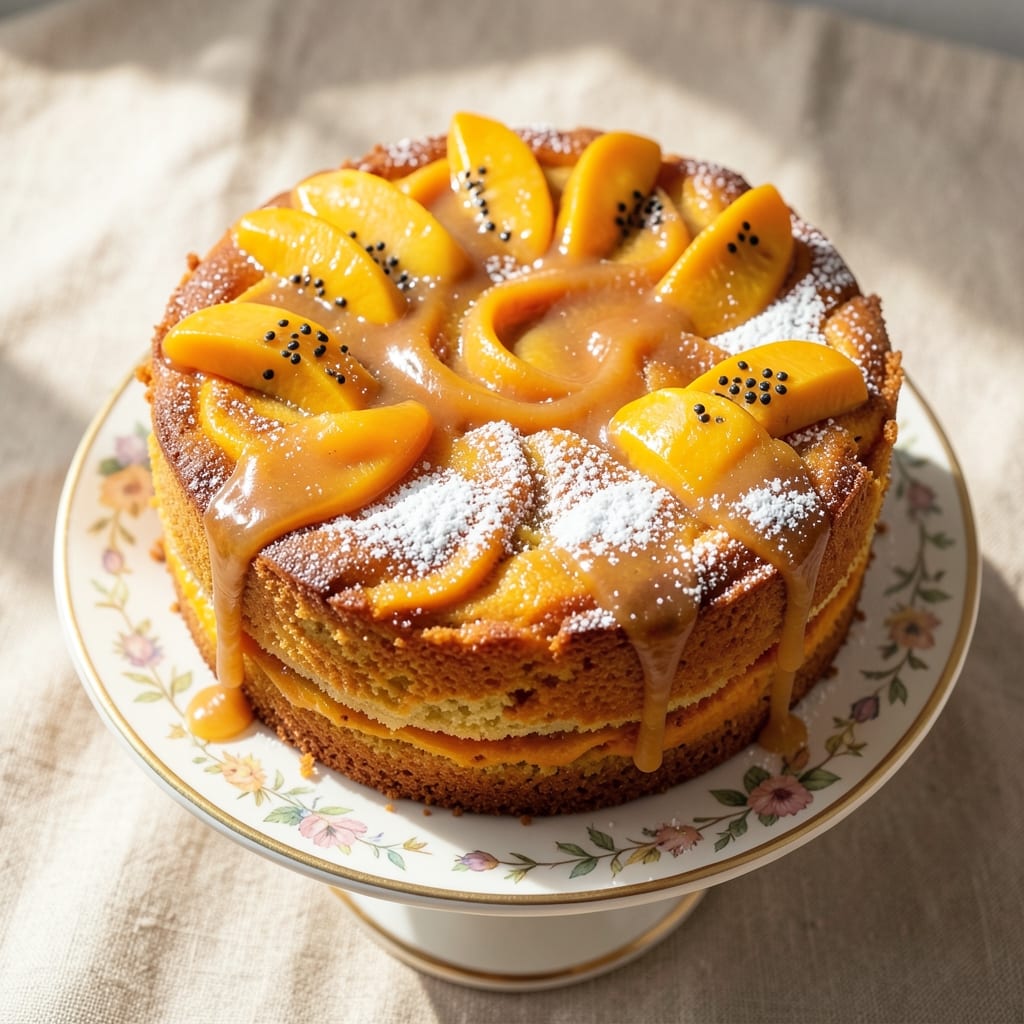
This Alphonso mango cake recipe delivers layers of velvety sponge infused with the sweet-tart essence of ripe Alphonso mangoes—the kind that makes every bite taste like summer in a slice. 🌟 The secret lies in blending fresh mango puree into the batter while keeping the crumb impossibly light, thanks to a whipped egg white technique that creates airy pockets. I perfected this recipe after years of experimenting with Indian bakery traditions, balancing traditional ghee richness with modern baking precision.
What sets this cake apart is the dual-layer approach: a moist mango-infused sponge sandwiched between a tangy cream filling that mirrors the fruit's natural acidity. The recipe uses ghee for authentic flavor while incorporating simple pantry staples like all-purpose flour and baking powder for foolproof results. Whether you're baking for Diwali celebrations or simply craving a dessert that tastes like vacation, this method ensures consistent success—no professional equipment required.
By the time it emerges from the oven, you'll have a golden-domed cake with a tender crumb that practically melts in your mouth. The mango flavor shines through without overpowering the delicate sponge, while the cream filling adds a luxurious contrast. Each slice reveals layers of bursting fruit flavor and creamy sweetness that will have your guests asking for seconds.
This recipe scales beautifully for gatherings or keeps well for gifting, making it perfect for special occasions. The instructions walk you through every step—from preheating the oven to achieving that signature smooth finish—while tips address common baking challenges. Let's create this showstopper dessert that captures the essence of Alphonso mangoes in every bite.
Ingredients for alphonso mango cake
Authentic flavors meet modern baking precision in this Alphonso mango cake's essential ingredients.
| Ingredient | Amount | Notes |
|---|---|---|
| Ripe Alphonso Mangoes 🍈 | 1 ½ lb | Fresh, peeled, pureed to 1 cup |
| All-Purpose Flour 🌾 | 2 ½ cups | Sifted, for light crumb texture |
| Clarified Ghee 🧈 | 1 cup | Unsalted, for authentic flavor |
| Granulated Sugar 🍚 | 1 ½ cups | White, for balanced sweetness |
| Large Eggs 🥚 | 6 whole | Room temperature, separated |
| Baking Powder 🧂 | 2 tsp | Double-acting, for lift |
| Salt 🧂 | ½ tsp | Fine sea salt, enhances flavor |
| Vanilla Extract 🌿 | 1 tsp | Pure, for aromatic depth |
| Heavy Whipping Cream 🥛 | 1 ½ cups | Full-fat, for tangy filling |
| Powdered Sugar 🍚 | 1 ½ cups | For sweet cream layer |
| Lemon Juice 🍋 | 1 tbsp | Fresh, balances sweetness |
| Cardamom Powder 🌿 | ½ tsp | Ground, for aromatic warmth |
The Alphonso mangoes are the heart of this cake—look for vibrant yellow fruit with a sweet-tart aroma. Local Indian grocery stores often carry them fresh, or opt for frozen puree if fresh isn't available. Ghee is non-negotiable here; its rich, nutty flavor elevates the cake beyond standard butter recipes. For the flour, Maida (refined wheat flour) works best for that signature tender crumb, though all-purpose flour in a pinch will yield acceptable results. Cardamom should be freshly ground for maximum aromatic impact—pre-ground loses potency quickly.
No Alphonso mangoes? Ripe Ataulfo mangoes make an excellent substitute, though the flavor profile will differ slightly. Short on ghee? Unsalted butter works in a bind, though it lacks the authentic depth. For the cream filling, heavy whipping cream is essential—light cream won't achieve the same stability. The baking powder must be double-acting for proper rise; baking soda alone won't suffice. Eggs should be room temperature for optimal whipping. If you're making this ahead, pre-whipped egg whites can be refrigerated overnight in an airtight container.
The mango puree can be made 1 day ahead and stored in the fridge, while the cake layers keep well for 3 days at room temperature when wrapped tightly in plastic. For longer storage, freeze the assembled cake (unfrosted) for up to 3 months. The cream filling should be made fresh the day of serving, though the cake layers can be frosted and stored separately. When reheating slices, microwave for 10-15 seconds to restore moisture—this cake is best enjoyed slightly warm for maximum flavor release.
Why You'll Love This Recipe
- No Puree Needed: I just blend the ripe mangoes right into the batter—no straining, no extra steps. The texture stays rich and moist without fighting with seeds or fibrous bits.
- One-Bowl Magic: Honestly, this comes together in a single bowl with just five ingredients. The ghee and eggs handle all the heavy lifting while you mix for two minutes flat.
- Summer’s Secret Weapon: Between us, this cake is exactly what you need when the heat hits. Serve it chilled for picnics, slice it for office treats, or pack it in lunchboxes—it stays fresh for days.
- Budget Luxury: Alphonso mangoes might sound fancy, but a few ripe ones stretch far in this recipe. The ghee adds depth, but you can swap it for butter if needed—still tastes like a splurge, costs like a staple.
Step-by-step instructions for Alphonso mango cake
Master this layered cake with vibrant mango flavor and tender crumb—every step ensures perfect texture.
👨🍳 Step 1: Prepare the Mango Puree and Dry Ingredients
Peel and puree the 1.5 lb ripe Alphonso mangoes until smooth, then strain through a fine-mesh sieve to remove excess fiber. You should end up with about 1 cup of bright yellow puree—this vibrant color is essential for the cake's signature look. In a separate bowl, whisk together the 2.5 cups all-purpose flour, 2 tsp baking powder, 0.5 tsp salt, and 0.5 tsp cardamom powder. Sift the mixture twice for a light, airy texture that prevents dense layers.
Here's the thing—cardamom adds warmth that complements the mango's sweetness, but too much can overpower. Stick to the 0.5 tsp measurement and sift it with the dry ingredients for even distribution. Keep both mixtures covered at room temperature until ready to use.
🍳 Step 2: Cream Ghee and Sugar for Maximum Flavor
In a stand mixer fitted with the paddle attachment, combine the 1 cup clarified ghee (cooled to room temperature) with the 1.5 cups granulated sugar. Beat on medium speed for 5-6 minutes until the mixture becomes pale and fluffy, nearly doubling in volume. This step incorporates air and creates a light texture—don't rush it, or you'll end up with a dense cake.
I press down gently on the mixture with a spatula during the last minute to ensure proper aeration. The ghee gives this cake its rich, authentic flavor while maintaining moisture better than butter would. Once fully creamed, add the 6 whole large eggs, one at a time, mixing just until each is fully incorporated. Add the 1 tsp vanilla extract and the mango puree, mixing until smooth.
🥘 Step 3: Combine Wet and Dry Ingredients
With the mixer on low speed, gradually add the sifted dry ingredients to the wet mixture in three additions. Mix just until combined—you should still see small streaks of flour, as overmixing develops gluten and makes the cake tough. Scrape down the sides of the bowl with a spatula to ensure even mixing.
This is where the cake's delicate crumb structure forms. The key is patience—let the mixer do the work without overworking the batter. The batter should be thick but pourable, with a smooth, velvety consistency. Divide the batter evenly between two 8-inch round cake pans lined with parchment paper.
🔥 Step 4: Bake the Layers to Perfect Doneness
Preheat your oven to 350°F. Bake the cake layers for 25-30 minutes, or until a toothpick inserted into the center comes out clean with just a few moist crumbs clinging to it. Rotate the pans halfway through baking for even heat distribution. The edges should be golden brown, but the tops should remain slightly domed—this indicates proper doneness.
Don't overbake—Alphonso mango cake should be tender, not dry. I check for doneness at the 22-minute mark and then every 2 minutes afterward. As soon as the toothpick test passes, remove the cakes from the oven and let them cool in the pans for 10 minutes before transferring to a wire rack to cool completely.
🍽️ Step 5: Assemble with Mango Cream Filling
While the cakes cool, prepare the mango cream filling by whipping the 1.5 cups heavy whipping cream to soft peaks in a chilled bowl. Gradually add the 1.5 cups powdered sugar and 1 tbsp lemon juice, whipping until the mixture is light, fluffy, and holds its shape. The lemon juice brightens the mango flavor and balances the sweetness—don't skip this step.
Once the cakes are completely cool, level the tops if needed. Place one layer on a serving plate, spread with about ½ cup of the mango cream, then top with the second layer. Spread the remaining cream over the top and sides of the cake, then dust generously with additional powdered sugar for a professional finish. Chill for at least 2 hours before serving to allow flavors to meld.
Pro Tips For Making Alphonso Mango Cake
- STRAIN THE PUREE: Alphonso mangoes are juicy—really juicy. Blend them, then strain through a fine-mesh sieve to remove excess liquid. Trust me, skipping this step means a soggy cake, and nobody wants that. Save the pulp for smoothies instead.
- WHISK EGGS ROOM TEMP: Cold eggs? Big mistake. Let those eggs sit out for 30 minutes before whisking—this ensures they blend smoothly with the ghee and sugar. I learned this the hard way when my first batch had tiny, stubborn lumps that ruined the texture.
- BAKE LOW AND SLOW: Preheat the oven to 160°C (325°F) and bake for 50-60 minutes. High heat makes the cake rise too fast, then collapse. Use a toothpick test—it should come out clean but still feel slightly moist in the center. Patience here makes all the difference.
- SWAP SUGAR FOR JAGGERY: If you’re using jaggery (palm sugar), crush it finely and heat it lightly with the ghee to dissolve completely. It adds a deeper caramel note and balances the mango’s sweetness better than plain sugar. My grandmother swore by this, and she was right—it’s richer, not cloying.
Storing and reheating this recipe
Room-Temp Storage
This cake stays fresh and moist for 3 days at room temperature when properly stored. After cooling completely, wrap each layer tightly in plastic wrap or place the assembled cake in an airtight container lined with parchment paper. The ghee and mango puree help preserve moisture naturally, but I recommend storing layers separately if you plan to assemble later. 🌟
Fridge Preservation
For longer storage, refrigerate the fully assembled cake (unfrosted) for up to 5 days. The cold temperature intensifies the mango flavor, making each slice taste even more vibrant. I like to wrap the cake in two layers of plastic wrap before placing it in the fridge—this prevents drying. Let it sit at room temperature for 30 minutes before serving to restore texture.
Freezing Layers
Freeze unbaked cake layers for up to 3 months for future baking needs. Wrap each layer individually in plastic wrap, then place in a freezer bag with all air removed. When ready to bake, thaw overnight in the fridge before proceeding with the original instructions. The cream filling should be made fresh after baking—never freeze it with the cake layers.
Reheating Slices
For the best experience, warm individual slices in the microwave for 10-15 seconds on medium power. This restores moisture without drying out the crumb. Alternatively, place slices on a baking sheet and warm in a 300°F oven for 5-7 minutes. The heat enhances the mango's natural sweetness and makes the cake feel freshly baked again. 🔥
Cream Filling Tips
The mango cream filling is best made fresh, but you can prepare the components separately. Whip the cream and powdered sugar mixture up to soft peaks and store in an airtight container for 24 hours in the fridge. Add the lemon juice just before assembling the cake. The acidity helps balance the sweetness after storage.
Gifting Advice
This cake travels beautifully for special occasions. Wrap the assembled cake in parchment paper, then place in a sturdy gift box lined with tissue paper. For long trips, freeze the cake overnight before transporting—it'll thaw perfectly during transit. Include a note suggesting slices be warmed before serving for maximum enjoyment. ✨
Nutrition facts
Frequently asked questions
Can I substitute Alphonso mangoes with other varieties?
Ataulfo or Tommy Atkins mangoes work well as substitutes, though the flavor profile will differ slightly. For best results, choose ripe mangoes with a sweet-tart balance. If using frozen puree, thaw it completely and strain to remove excess moisture—this prevents a soggy cake texture.
Why did my cake turn out dense instead of light?
Overmixing the batter or under-creaming the ghee and sugar are common culprits. The key is mixing just until combined—stop when small flour streaks remain. Also ensure your baking powder is fresh (double-acting) and your oven is properly calibrated at 350°F.
How do I make this cake gluten-free?
Replace the all-purpose flour with a 1:1 gluten-free baking blend, plus add 0.5 tsp xanthan gum to improve texture. You may need to reduce the liquid slightly (by 2 tbsp) since gluten-free flours absorb differently. Test the batter consistency before baking—it should be thick but pourable.
Can I bake this cake in a different pan size?
Yes, but adjust baking time accordingly. For a 9-inch round pan, reduce time by 5-7 minutes (20-25 minutes total). For square pans, bake 30-35 minutes. Always use the toothpick test—insert in the center until clean with minimal crumbs.
What's the best way to decorate this cake?
For a traditional look, dust with powdered sugar and garnish with fresh mango slices or edible gold leaf. For extra flair, pipe whipped cream rosettes between layers. The vibrant yellow color from Alphonso mangoes makes it stunning even with simple decorations—just ensure they complement rather than overpower the natural flavor.