
Desserts
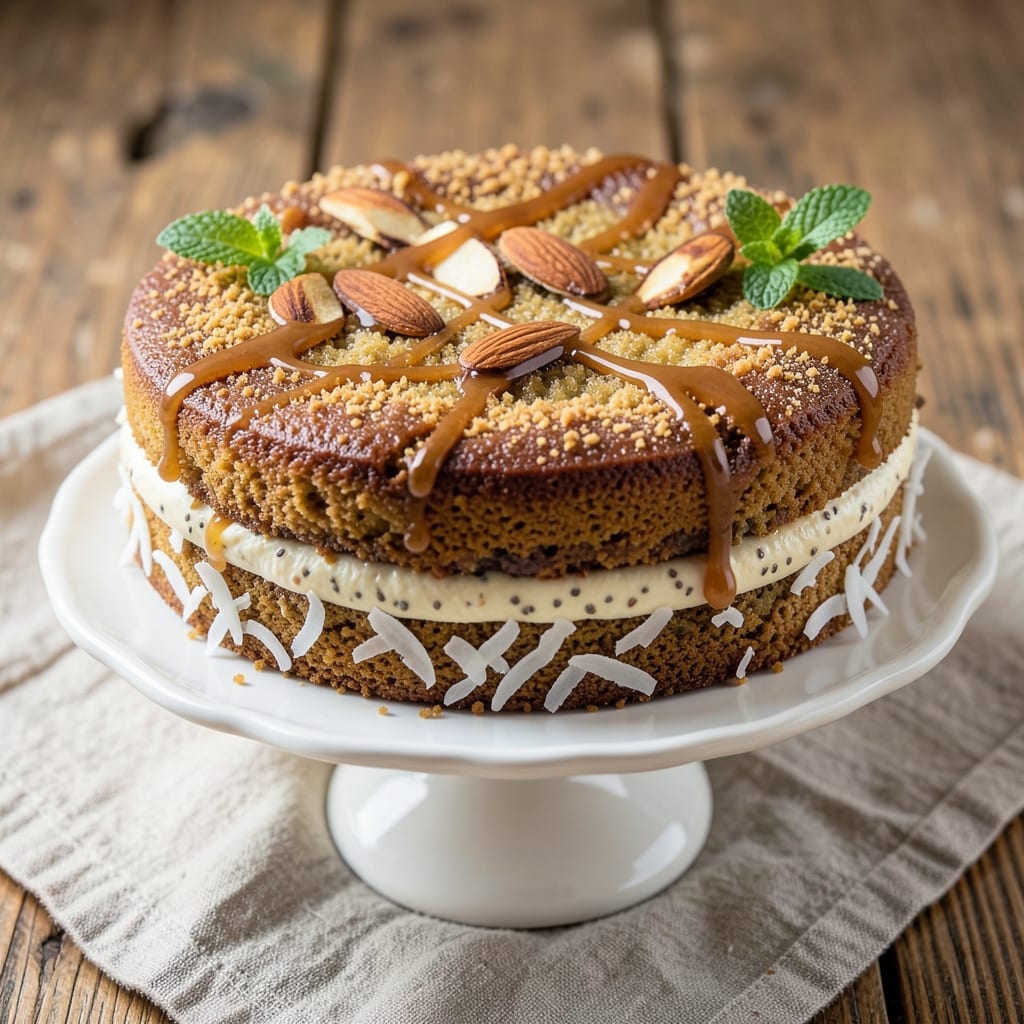
This gluten-free amaranth cake delivers a surprisingly rich, moist crumb that rivals traditional wheat-based desserts—without a hint of heaviness. 💛 The secret lies in amaranth flour’s unique texture, which absorbs liquid beautifully while adding a subtle nutty depth that keeps every slice interesting. I developed this recipe after struggling to find a vegan cake that stayed tender for days, and this version has become a staple in my kitchen for its adaptability and foolproof results.
The beauty of amaranth flour is its ability to create a naturally gluten-free structure that’s both sturdy and delicate, making it perfect for layer cakes, cupcakes, or even a simple sheet pan dessert. To achieve that signature moist crumb, we’ll use flax eggs for binding and plant-based milk for richness, ensuring the cake stays tender without relying on butter or dairy. The recipe also includes simple swaps for traditional ingredients, so you can customize it to your preferences while maintaining that perfect texture.
What sets this cake apart is how it bakes—golden on the outside with a velvety interior that crumbles just enough to release pockets of flavor. The amaranth’s natural sweetness means you’ll need less added sugar, and the result is a cake that’s light enough to feel healthy yet indulgent enough to satisfy any craving. Whether you’re baking for a celebration or just treating yourself, this recipe delivers restaurant-quality results with minimal effort.
Once baked, the cake holds its shape beautifully for slicing, making it ideal for gifting or serving at gatherings. Pair it with a drizzle of vegan caramel, fresh berries, or a dusting of powdered sugar for an elegant finish. The versatility of amaranth flour means you can also experiment with add-ins like nuts, chocolate chips, or citrus zest to create endless variations. Let’s get baking!
Ingredients for amaranth cake
Eight simple ingredients transform into a gluten-free, vegan cake with restaurant-quality texture.
| Ingredient | Amount | Notes |
|---|---|---|
| Amaranth Flour 🌾 | 1 ½ cups | High-protein, gluten-free flour |
| Almond Milk (Unsweetened) 🥛 | 1 ¼ cups | Room temperature preferred |
| Flaxseeds (Ground) 🌱 | 3 tbsp | For flax eggs, mixed with water |
| Coconut Sugar 🍯 | ¾ cup | Natural sweetener alternative |
| Coconut Oil (Melted) 🫒 | ½ cup | Vegan butter substitute |
| Vanilla Extract 🌸 | 1 tbsp | Pure alcohol-free preferred |
| Baking Powder 🧂 | 1 ½ tsp | Aluminum-free for best results |
| Salt 🧂 | ½ tsp | Fine sea salt preferred |
| Apple Cider Vinegar 🍎 | 1 tbsp | Activates baking powder |
| Water 💧 | ½ cup | Room temperature |
| Powdered Sugar (Optional) 🍰 | ¼ cup | For dusting finished cake |
| Fresh Blueberries (Optional) 🫐 | 1 cup | Tossed in lemon juice |
Amaranth flour is the star here—Bob's Red Mill or Anthony's Goods are my go-tos for quality, but any certified gluten-free brand works. The key is using high-protein amaranth flour, which gives that signature tender crumb. For the flax eggs, grind the seeds fresh in a coffee grinder (they go rancid fast if pre-ground). Trader Joe's sells pre-ground flaxseed, but I always toast mine lightly in a dry pan first for extra nuttiness. The coconut sugar adds caramel notes without the blood sugar spike of refined sugar—Wholesome! brand is my favorite for its fine texture.
No almond milk? Oat milk or soy milk works just as well—just check the carton for added gums or thickeners, which can affect texture. Running short on vanilla? Vanilla bean paste gives deeper flavor, or swap for 1 tsp vanilla sugar. The baking powder needs to be fresh—if it's over a year old, toss it. For the blueberries, toss them in 1 tbsp lemon juice to keep them vibrant. No fresh berries? Frozen work too, just thaw and drain well. The coconut oil should be melted but not hot—microwave for 40 seconds if needed.
This cake keeps beautifully—3 days in an airtight container at room temp or 1 week in the fridge. For longer storage, slice and freeze individual portions for up to 3 months. I like to wrap slices in parchment before freezing so they don't dry out. The texture actually improves after a day or two as the amaranth absorbs more moisture. For serving, dust with powdered sugar or drizzle with vegan caramel sauce. The cake pairs perfectly with cashew cream frosting if you want to go all out.
Why You'll Love This Recipe
- No Mixer Needed: I swear by this recipe when I’m in a rush—just whisk the amaranth flour, flaxseeds, and almond milk together until smooth. No electric mixer, no overmixing, and no waiting for dough to come together. The batter’s so forgiving, I’ve even made it with my hands when I forgot a bowl.
- Nutty-Sweet Magic: That caramelized coconut sugar paired with the earthy amaranth flour? It’s like a warm hug in cake form. The melted coconut oil keeps it moist without tasting greasy, and the flaxseeds add a subtle crunch that makes every bite feel intentional.
- Breakfast or Dessert: Honestly, I’ve served this cold with almond milk for breakfast and warm with a drizzle of honey for dessert. It’s the kind of cake that doesn’t demand a special occasion—just works when you need something quick, nourishing, and still feels like a treat.
- Budget-Friendly Staples: Between us, amaranth flour and flaxseeds are my secret weapon for stretching ingredients. This cake costs me half what a boxed mix would, and the leftovers? They stay fresh for days in the fridge. Perfect for when I’m trying to save money but still want something that tastes homemade.
Step-by-step instructions for gluten-free amaranth cake
Here's how to create a perfectly moist, gluten-free cake with a tender crumb.
👨🍳 Step 1: Prepare the Flax Eggs and Wet Ingredients
In a small bowl, combine the 3 tbsp ground flaxseeds with the 0.5 cup water. Stir vigorously and let sit for 5 minutes until thickened into a gel-like consistency—this is your egg substitute. Meanwhile, in a separate large bowl, whisk together the 1.25 cups unsweetened almond milk, 0.75 cup coconut sugar, 0.5 cup melted coconut oil, and 1 tbsp vanilla extract until smooth.
Here's the thing—amaranth flour absorbs moisture differently than wheat flour, so we need to pre-mix the wet ingredients thoroughly. The flax eggs add binding power that regular eggs would provide, while the coconut oil ensures that moist crumb you're after. If you're using the optional 1 cup fresh blueberries, toss them in 1 tbsp lemon juice now to prevent them from bleeding color into the batter.
👨🍳 Step 2: Combine Dry Ingredients and Mix Just Until Combined
In another medium bowl, sift together the 1.5 cups amaranth flour, 1.5 tsp baking powder, and 0.5 tsp salt. This sifting step is crucial—it prevents dense pockets in the cake. Create a well in the center and pour in the wet ingredients along with the flax egg mixture. Gently fold with a spatula until just combined—you should still see some flour streaks. Overmixing develops gluten, which we're avoiding since this is gluten-free.
If using the blueberries, fold them in now along with the 1 tbsp apple cider vinegar, which activates the baking powder for extra lift. The batter will be thicker than traditional cake batter, but that's perfect for our dense yet moist texture. Don't worry if it looks like too much flour—amaranth flour behaves differently than wheat flour.
🔥 Step 3: Bake in a Preheated Oven
Preheat your oven to 350°F and grease an 8-inch round cake pan or line it with parchment paper. Pour the batter into the prepared pan and smooth the top with a spatula. Bake for 35-40 minutes until a toothpick inserted in the center comes out clean and the edges are lightly golden. I know it seems like a long time, but amaranth flour needs that extra time to fully cook through without drying out.
Here's where patience pays off—the cake should be springy to the touch and pull away from the edges of the pan. If the top browns too quickly, tent loosely with aluminum foil after 20 minutes. The center should be set but still slightly jiggly—this indicates proper moisture content. Real talk: don't open the oven door early or you'll lose heat and potentially end up with a dense cake.
⏰ Step 4: Cool and Finish with Powdered Sugar
Remove the cake from the oven and let it cool in the pan for 10 minutes, then transfer to a wire rack to cool completely. This cooling step is essential—amaranth flour continues to set as it cools, so rushing this will compromise the texture. While it cools, dust the top with the 0.25 cup powdered sugar if using, using a fine-mesh sieve for an even coating.
For best results, let the cake cool completely before slicing—this ensures clean cuts and prevents crumbling. The final texture should be tender yet sturdy, with a slightly nutty flavor from the amaranth. If you're serving it warm, dust with powdered sugar right before serving to keep it from settling. This cake keeps well at room temperature for 3 days or can be refrigerated for up to 5 days—just bring it to room temperature before serving for the best texture.
Pro Tips For Making Amaranth Cake
- Whisk the Flour First: Mix your amaranth flour with coconut sugar and ground flaxseeds before adding wet ingredients—this prevents clumps that turn your batter into a lumpy mess. I learned this after scraping three batches off the spatula, and trust me, you don’t want that texture.
- Melt the Oil Slowly: Coconut oil solidifies fast, and cold lumps in your batter ruin the crumb. Warm it in 10-second bursts in the microwave (just until liquid) or melt it in a bowl over barely simmering water—never full heat, or you’ll end up with a greasy, uneven cake.
- Don’t Overmix the Batter: Amaranth flour is dense, and once you start folding in almond milk, stop after 10 strokes max. Overmixing makes the cake tough—like a hockey puck instead of a tender crumb. Stir just until combined, then let the batter rest 5 minutes before baking.
- Add a Pinch of Baking Soda: This isn’t a mistake—it’s insurance. Amaranth batter can turn dense, and a ¼ teaspoon of baking soda (mixed with the dry ingredients) lightens it up. Sounds weird, but it works, especially if you’re skipping eggs or yogurt. (Yes, even if your recipe doesn’t list it.)
Pro cooking tips for perfect results
Flour Sifting Secrets
Amaranth flour is lighter than wheat flour, so sifting prevents dense pockets that ruin the tender crumb. Use a fine-mesh sieve and tap gently over the bowl to break up clumps. I like to sift dry ingredients twice—once before mixing and once after adding wet ingredients—to ensure even distribution. This step is non-negotiable for that signature airy texture. 🌾
Flax Egg Timing
Your flax eggs need exactly 5 minutes to thicken properly—any less and they won't bind well. I set a timer because I've learned the hard way that rushing this step leads to crumbly cake. For extra insurance, toast the flaxseeds in a dry pan for 1 minute before grinding to enhance their nutty flavor and binding power. Store pre-ground flaxseed in the fridge to prevent rancidity.
Batter Consistency
The batter will look thicker than traditional cake batter, but that's perfect for amaranth's moisture-absorbing properties. If it seems too stiff, add 1 tbsp more almond milk—amaranth flour varies by brand, so adjust as needed. Gently fold the batter just until combined to avoid developing gluten. Overmixing is the #1 reason gluten-free cakes turn out dense. A spatula with a flexible silicone edge makes folding easier without tearing the batter.
Oven Temperature
Preheat your oven for at least 15 minutes before baking—amaranth flour needs a stable 350°F environment to cook evenly. I use an oven thermometer to verify accuracy, as home ovens often run hot or cold. Place the cake pan on the middle rack for consistent heat distribution. If your oven runs hot, reduce to 325°F and add 5-10 minutes to the bake time.
Don't Open the Oven
Resist the urge to check on your cake early—every time you open the door, you lose 25°F of heat and risk creating a temperature fluctuation that causes sinking. After 20 minutes, if the top is browning too quickly, loosely tent with aluminum foil instead of opening the door. The cake is done when a toothpick comes out clean and the edges pull away from the pan with gentle pressure.
Cooling Like a Pro
Let the cake cool in the pan for 10 full minutes before transferring—this prevents cracking as the amaranth sets. Then, invert it onto a wire rack for complete cooling. For extra moisture retention, brush the warm cake with a simple syrup made from 2 tbsp coconut sugar + 2 tbsp water, heated until dissolved. This step keeps the crumb tender for days, especially important for gluten-free baking. ✨
Nutrition facts
Frequently asked questions
Can I substitute amaranth flour with another gluten-free flour?
While you can try buckwheat flour or sorghum flour in a 1:1 ratio, the texture and flavor will differ significantly. Amaranth flour's unique protein structure creates that signature tender crumb. For best results, stick with amaranth, but if needed, blend half amaranth and half almond flour for a lighter texture. The nutty depth of amaranth is hard to replicate!
Why does my amaranth cake turn out dense instead of moist?
Overmixing the batter is the most common culprit—amaranth flour develops gluten-like properties when overworked. Also, ensure your flax eggs have 5 full minutes to thicken and that your oven is properly preheated to 350°F. If the cake still feels dry, try brushing warm slices with simple syrup (2 tbsp coconut sugar + 2 tbsp water) to restore moisture.
How do I make this cake nut-free?
Replace the almond milk with oat milk or coconut milk and the coconut oil with vegan butter or refined coconut oil. For extra binding, add 1 tbsp ground chia seeds mixed with 3 tbsp water (let sit for 5 minutes) to replace the flax eggs. The cake will still maintain its tender texture, just with a slightly different flavor profile.
Can I bake this in a different pan size?
Yes! For an 8-inch square pan, reduce bake time by 5-7 minutes. For a 9-inch round pan, increase bake time by 5 minutes. Always use an oven thermometer to ensure accurate temperature. The key is baking until a toothpick comes out clean—amaranth flour needs slightly longer than wheat flour to fully cook through.
What's the best way to store leftovers?
Wrap individual slices in plastic wrap or store the whole cake in an airtight container at room temperature for up to 3 days. For longer storage, refrigerate for 5 days or freeze slices (wrapped in parchment) for 3 months. The cake actually tastes better after 1-2 days as the amaranth absorbs more moisture—this is normal!