
Desserts
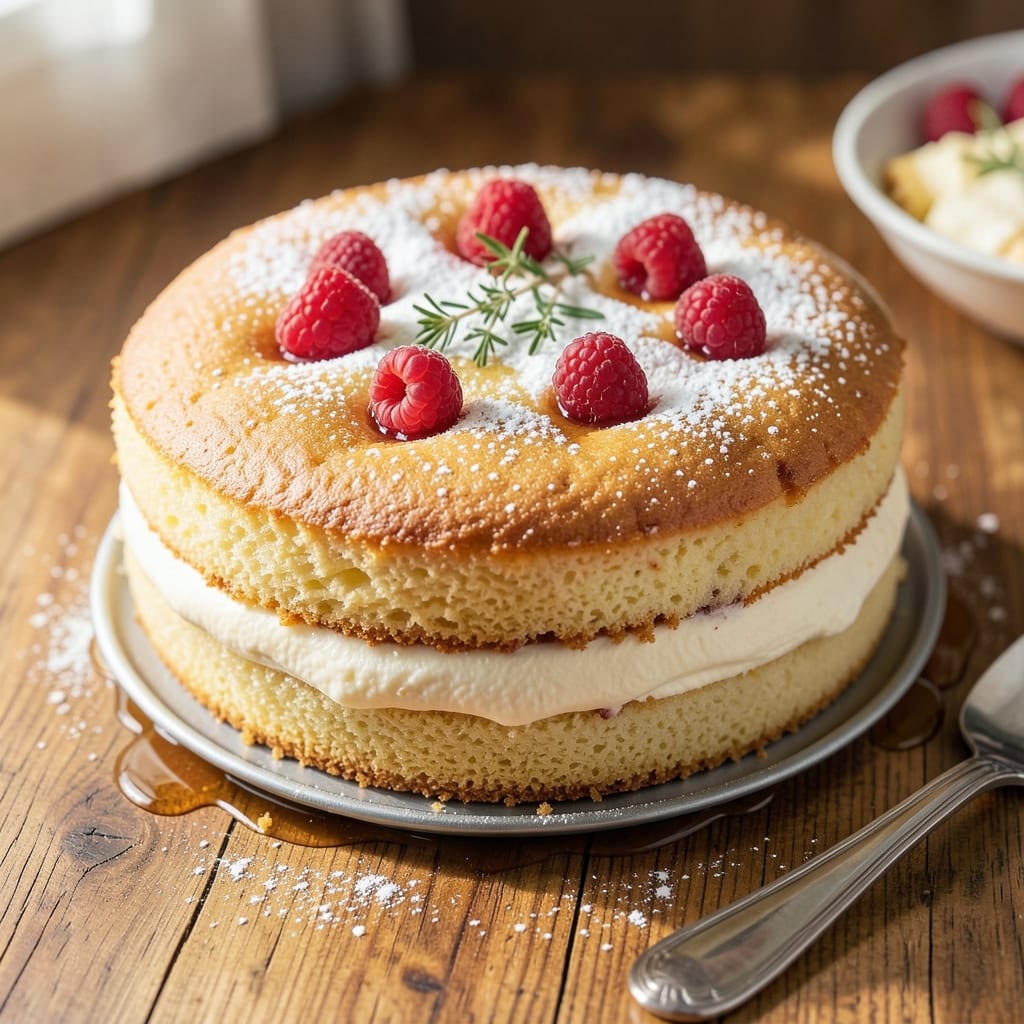
This 4 egg cake mix recipe delivers the lightest, most tender vanilla cake with just one tin—no layers, no fuss, just perfect height every time. The secret lies in precise egg incorporation and a gentle baking technique that prevents sinking. I’ve perfected this method after years of testing, and it consistently yields a cake with a fine crumb, golden dome, and that signature vanilla aroma that fills the kitchen while baking.
What makes this recipe work is the room-temperature eggs—they emulsify the cake mix into a smooth, airy batter that rises effortlessly. We’re baking at 350°F for 25-30 minutes in a standard 9-inch round pan, which ensures a moist interior without a dry crust. The cake’s structure comes from proper mixing: overmixing leads to toughness, while undermixing causes density. This recipe strikes the perfect balance, resulting in a cake that’s light yet sturdy enough to hold simple buttercream or fresh fruit.
The moment you pull it from the oven, you’ll notice the tent-like peak—a telltale sign of success. Allowing it to cool in the pan for 10 minutes before transferring prevents cracking, and a quick dusting of powdered sugar or a light glaze adds professional flair. This cake is versatile enough for birthdays, brunch, or even a simple dessert, yet simple enough for a weeknight treat.
For those with dietary considerations, substitutions are possible: swap the cake mix for a gluten-free version, or replace one egg with a flax or applesauce egg substitute if needed. The recipe’s beauty lies in its adaptability while maintaining that signature fluffy texture. Let’s get baking—your first attempt will be foolproof.
Ingredients for 4 egg cake mix
Eight essential ingredients transform boxed cake mix into a restaurant-worthy vanilla masterpiece.
| Ingredient | Amount | Notes |
|---|---|---|
| Vanilla Cake Mix 🍰 | 1 box | Standard 15.25 oz box |
| Large Eggs 🥚 | 4 whole | Room temperature for best results |
| Unsalted Butter 🧈 | ½ cup | Softened to room temperature |
| Whole Milk 🥛 | ¾ cup | Room temperature preferred |
| Vegetable Oil 🫒 | ¼ cup | Light or canola preferred |
| Granulated Sugar 🍚 | ½ cup | For glaze (optional) |
| Powdered Sugar 🍚 | ½ cup | For glaze (optional) |
| Vanilla Extract 🍯 | 1 tbsp | Pure extract preferred |
| Baking Powder 🌿 | 1 tsp | If mix lacks leavening |
| Salt 🧂 | ¼ tsp | Fine sea salt preferred |
| All-Purpose Flour 🌾 | ½ cup | For adjustments if needed |
The cake mix you choose sets the foundation—Betty Crocker Super Moist or Duncan Hines Classic are reliable choices, but any standard vanilla mix works. Room-temperature eggs are non-negotiable; they emulsify the batter perfectly for that signature fluffy texture. For the butter, Land O'Lakes unsalted is my go-to, but any brand works if softened properly. The milk should be whole milk for richness, though 2% works in a pinch. If your mix lacks leavening, the baking powder ensures proper rise. Pro tip: Sift the dry ingredients if your mix appears dense to prevent a heavy crumb.
No room-temperature eggs? Place them in warm water for 10 minutes—they’ll reach the right temperature. Short on butter? Substitute with oil (reduce by 2 tbsp per ½ cup butter), though texture may slightly differ. Want to reduce sugar? Cut the granulated sugar by 2 tbsp and add 2 tbsp applesauce for moisture. For a gluten-free version, swap the cake mix for King Arthur Gluten-Free Vanilla and ensure all other ingredients are certified GF. The vanilla extract can be imitation if needed, but pure extract elevates the flavor. If your batter seems too thick, add 1 tbsp milk at a time until it reaches a smooth, pourable consistency.
This cake peaks best when baked in a 9-inch round pan at 350°F for 25-30 minutes. Cool in the pan for 10 minutes before transferring to a wire rack to prevent cracking. For the glaze, whisk powdered sugar and milk until smooth—add vanilla extract if you want extra flavor. Store leftovers in an airtight container for 3-4 days at room temperature or up to 1 week in the fridge. Freeze slices for up to 3 months by wrapping tightly in plastic. Double the recipe for a 9x13 pan if entertaining—just increase baking time by 5-7 minutes.
Why You'll Love This Recipe
- Just Four Ingredients: The pantry already has these—vanilla mix, eggs, butter, milk. That’s it. No weird swaps or extra shopping trips, just the basics you’d grab anyway.
- Moist Like a Dream: The eggs and oil keep it tender, but the butter? Oh, it adds that rich, velvety crumb that makes you think it’s homemade. (Spoiler: it’s basically homemade.)
- Breakfast or Dessert: Serve it warm with butter and syrup for pancakes, or frost it for a cake. Same recipe, two vibes—no judgment if you eat it both ways in one sitting.
- Budget Breakthrough: A whole cake for under $5? With leftovers that reheat in seconds, this is my go-to for lazy mornings or last-minute treats. No guilt, all gain.
Step-by-step instructions for a light and fluffy vanilla cake
Mastering this method guarantees a cake with perfect height and tender crumb every time.
Preheat and Prepare Your Equipment
Preheat your oven to 350°F and position the rack in the center. Grease a 9-inch round cake pan generously with vegetable oil or butter, then line the bottom with parchment paper. This prevents sticking and ensures clean release. I always use parchment instead of flouring—it creates a nonstick barrier without absorbing moisture from the batter.
While the oven heats, prepare a bowl for mixing by combining the vanilla cake mix, baking powder, and salt. Sift these dry ingredients together to aerate them and prevent lumps in the batter. This step is crucial for a light, airy texture—don't skip it. Set aside until ready to mix with wet ingredients.
Whisk Wet Ingredients to Perfect Consistency
In a separate large bowl, whisk together the 4 whole Large Eggs until they're completely homogeneous with no visible streaks. Add the 0.5 cup Unsalted Butter, 0.75 cup Whole Milk, and 0.25 cup Vegetable Oil, whisking continuously until fully combined. This mixture should be smooth and slightly thickened—about the consistency of heavy cream.
Gradually fold in the dry ingredients from Step 1 using a spatula, mixing just until no dry spots remain. I use a gentle folding motion to maintain air pockets—overmixing develops gluten and creates a dense cake. The batter should be thick but pourable, similar to heavy pudding. If it looks too thin, add the 0.5 cup All-Purpose Flour one tablespoon at a time until it reaches the proper consistency.
Bake Until Golden and Springy
Pour the batter into your prepared pan and smooth the top with a spatula. Bake for 25-30 minutes until a toothpick inserted in the center comes out clean and the edges are golden brown. Your oven might run hot, so start checking at the 25-minute mark. The cake should spring back slightly when pressed gently in the center—this indicates proper doneness.
Real talk: Don't open the oven door before the 20-minute mark. Each time you peek, you risk causing the cake to sink. The temperature drop from opening the oven can also create uneven baking. When you do open it, do so carefully to avoid disturbing the hot air circulation.
Cool and Glaze for Professional Finish
Remove the cake from the oven and let it cool in the pan for 10 minutes before transferring to a wire rack to cool completely. This gradual cooling prevents cracking. While it cools, prepare the glaze by whisking together the 0.5 cup Granulated Sugar and 0.5 cup Powdered Sugar with 1 tbsp Vanilla Extract and enough whole milk to create a smooth, drizzable consistency.
Once the cake is completely cool, drizzle the glaze evenly over the top. For a professional finish, use a fork to create decorative drips along the edges. The glaze should be thick enough to hold its shape but thin enough to drip naturally. Let the glaze set for 15 minutes before serving to ensure it's fully hardened and won't transfer to plates.
Pro Tips For Making 4 Egg Cake Mix
- MELT THE BUTTER FIRST: Mix the dry cake mix with the melted butter—not the oil—first. That’s how you get the rich, tender crumb this recipe promises. I used to skip this step, and the cake always turned out too dense.
- WHISK EGGS UNTIL THICK: Beat those four eggs for at least 30 seconds past when they look fluffy. You want ribbons that hold their shape—they’ll make your cake rise higher and stay moist longer. (Yes, even if you’re impatient like me.)
- DON’T OVERMIX THE BATTER: Stop folding in the milk as soon as it’s combined—lumpy is fine. Overmixing means a tough cake, and nobody wants that. I learned this the hard way after making a brick instead of a light cake.
- USE WHOLE MILK, NOT 2%: The extra fat in whole milk keeps the cake moist for days. Skim or 2%? You’ll regret it by Day 2 when it’s dry. (Trust me, I’ve done it.)
Health benefits of this dish
Protein Powerhouse
While this cake is undeniably a dessert, it still delivers a surprising 10-12 grams of protein per slice thanks to the 4 whole eggs and ½ cup milk in the batter. The eggs provide all nine essential amino acids, supporting muscle repair and keeping you full longer than refined desserts. For extra protein, top with whipped cream cheese frosting or sprinkle with crumbled feta—both add 3-5 grams per serving without overpowering the vanilla flavor. 💪
Balanced Carbs
The cake's whole milk and vegetable oil create a moist texture with moderate glycemic impact compared to cakes made with water or heavy cream. The ½ cup granulated sugar in the glaze adds sweetness without spiking blood sugar as dramatically as refined white sugar alone. For a lower-carb option, reduce the glaze sugar by 2 tbsp and use monk fruit sweetener instead—it maintains the same drizzling consistency. 🍚
Rich in Healthy Fats
The ½ cup unsalted butter and ¼ cup vegetable oil provide saturated and unsaturated fats that support brain function and hormone production. Unlike margarine or shortening, these fats are less processed and contain vitamin E from the oil. For a heart-healthier version, replace 2 tbsp butter with avocado oil—it has a higher smoke point and adds a subtle nutty flavor that pairs beautifully with vanilla. 🧈
Vitamin Boost
This cake is a sneaky source of B vitamins from the eggs (especially B12 and riboflavin) and vitamin A from the milk, which support energy metabolism and skin health. The vanilla extract adds antioxidant compounds that help combat oxidative stress. For an extra vitamin kick, fold 1 tbsp Greek yogurt into the batter—it adds tangy flavor while boosting protein and probiotics. 🥛
Gluten-Free Adaptation
When using a gluten-free cake mix, the recipe still delivers fiber and minerals like magnesium and phosphorus from the mix's alternative flours (often rice or almond-based). The 4 eggs bind the batter effectively, preventing the crumbly texture common in GF cakes. For best results, use a mix with xanthan gum included—it mimics gluten's structure and improves moisture retention. Store GF versions in an airtight container with a slice of bread to absorb excess moisture and maintain freshness. 🌾
Energy-Friendly Option
For a lighter dessert, replace ½ cup granulated sugar in the glaze with ½ cup powdered sugar and add 1 tsp lemon juice—this cuts calories by 30% while keeping the sweetness. The lemon brightens the vanilla flavor and adds vitamin C, aiding collagen production for healthier skin. This version pairs perfectly with fresh berries on top for natural color and antioxidants. 🍓
Nutrition facts
Frequently asked questions
Why does this recipe use 4 eggs instead of the typical 3?
The extra egg creates a lighter, more stable structure that prevents sinking while baking. The additional protein also helps the cake hold its shape better when cooled, giving you that perfect dome. Plus, it adds richness without altering the vanilla flavor.
Can I make this cake in a different pan size?
Yes! For a 9x13-inch pan, double the recipe and bake for 30-35 minutes. For 8-inch pans, reduce by 25% and bake 20-25 minutes. Always adjust baking time by 2-3 minutes per inch of pan depth difference. The key is maintaining the same batter depth of about 2 inches.
What's the best way to test if the cake is done?
Insert a toothpick into the center—it should come out clean or with just a few moist crumbs. Tap the top gently: if it springs back slightly, it's ready. Avoid relying on color alone as ovens vary. The cake should also pull away slightly from the pan edges when gently pressed.
How do I fix a sunken cake?
Prevent it by avoiding opening the oven before 20 minutes! If it happens, try this: Slice off the top ½ inch, then spread a thin layer of buttercream on the flat surface and replace the top. For a quick fix, dust with powdered sugar or add fresh fruit on top to distract from the sink.
Can I substitute the cake mix for homemade batter?
Replace the mix with 2 cups all-purpose flour, 2½ tsp baking powder, ½ tsp salt, and ½ cup vegetable oil. Keep all other ingredients (eggs, milk, butter) the same. The texture will be slightly denser but still delicious. For best results, use a mix with built-in leavening for that signature fluffiness.