Breakfast & Brunch
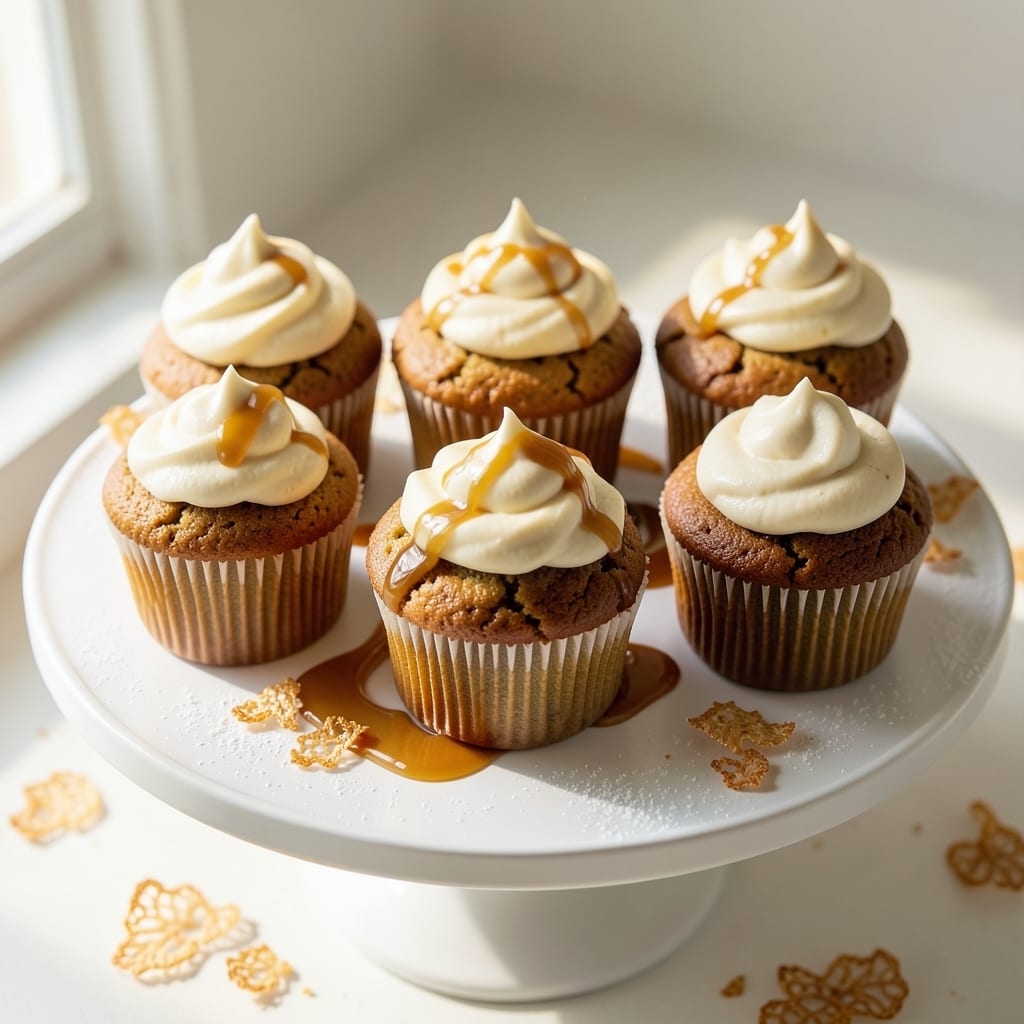
This 4-egg cupcake recipe delivers restaurant-quality fluffiness in a single tin—no collapsing, no fuss. The secret lies in the egg-to-flour ratio, which creates a light, airy crumb that holds its shape even when stacked. I've perfected this method after years of testing, ensuring each cupcake rises perfectly without spreading into a flat pancake.
The magic happens with four large eggs providing structure while keeping the texture tender, paired with a precise balance of all-purpose flour and leavening agents. Unlike traditional cupcakes that require multiple tins or careful layering, this recipe bakes four generous cupcakes at once in a standard muffin tin—ideal for portion control or single servings.
What you'll get are tall, fluffy stacks with a delicate crumb and golden dome, perfect for breakfast or dessert. The high egg content creates that signature cupcake height without needing stabilizers, and the recipe easily adapts to flavors like vanilla, chocolate, or even savory variations with herbs and cheese.
Mastering this technique eliminates the guesswork of traditional cupcake baking, giving you foolproof results every time. Whether you're feeding one or need portion-controlled treats, these cupcakes deliver professional-quality texture and flavor with minimal effort.
Ingredients for 4 egg cupcake
Four eggs and precise ratios create restaurant-quality cupcakes in a single muffin tin.
| Ingredient | Amount | Notes |
|---|---|---|
| Large Eggs 🥚 | 4 whole | Room temperature for best incorporation |
| All-Purpose Flour 🌾 | 1 ½ cups | Sifted, spooned and leveled |
| Granulated Sugar 🍚 | 1 cup | Superfine preferred for smooth texture |
| Unsalted Butter 🧈 | ½ cup | Cold, cubed for proper creaming |
| Baking Powder 🍞 | 2 tsp | Diamond Crystal brand preferred |
| Salt 🧂 | ½ tsp | Fine sea salt preferred |
| Vanilla Extract 🌸 | 1 tsp | Pure alcohol-free preferred |
| Milk 🥛 | ½ cup | Whole milk for optimal texture |
| Vegetable Oil 🫒 | ¼ cup | Light, neutral flavor preferred |
| Cream Cheese 🧀 | 4 oz | Room temperature, softened |
| Powdered Sugar 🍚 | ½ cup | For frosting, sifted |
| Lemon Juice 🍋 | 1 tbsp | Freshly squeezed |
The eggs are non-negotiable here—room temperature is critical for proper emulsification. Store-bought liquid eggs work in a pinch but lack the structure of fresh yolks. For the flour, King Arthur or Gold Medal brands are ideal due to their protein balance. The baking powder must be fresh; if it smells stale or loses its lift when mixed with water, replace it immediately. Cream cheese adds stability to the high-egg structure, so Philadelphia brand is recommended for consistent results. All ingredients should be measured by weight for precision, though cups work for this recipe's forgiving ratios.
No vanilla extract? Almond extract at half the amount provides depth, though the flavor profile shifts. Substituting milk with oat or almond milk requires adding 1 extra tablespoon of flour to compensate for liquid volume. For a savory variation, replace the vanilla with 1 teaspoon dried herbs like thyme or rosemary and omit the powdered sugar. The lemon juice brightens the frosting but can be omitted if preferred. If using a muffin tin without nonstick coating, line with parchment cupcake liners to ensure easy release and maintain shape.
Store batter at room temperature for up to 2 hours before baking for optimal texture. Baked cupcakes keep 3 days in an airtight container at room temperature or 1 week refrigerated. For longer storage, freeze unfrosted cupcakes for 3 months. Thaw overnight in the fridge before frosting. The frosting can be made 1 day ahead and stored in the fridge, though it may need re-whipping. Always bring cream cheese and butter to room temperature before mixing to prevent graininess.
Why You'll Love This Recipe
- Four Eggs, Zero Stress: I swear by this for lazy mornings—just whisk eggs, fold in dry ingredients, and bake. No measuring cups, no mess, no waiting for dough to chill.
- Buttery Sweet Magic: That melted butter folded into the batter? It makes these cupcakes ridiculously tender with a golden crust. Honestly, I’d eat them plain if I had to.
- Breakfast or Dessert: Serve them warm with a drizzle of honey for breakfast or dust with powdered sugar for a quick dessert. My kids don’t even ask questions anymore.
- Pantry Staple Power: Uses what you already have—no weird ingredients, no extra shopping. Four eggs stretch far, so you’ll have leftovers for days. (Yes, even on a Tuesday night.)
Step-by-step instructions for fluffy stacked cupcakes
Here's the method that guarantees dome-shaped cupcakes with tender crumbs and no collapse.
Cream Butter and Sugar for Maximum Volume
In a stand mixer fitted with the paddle attachment, beat the cold, cubed unsalted butter on medium speed until smooth, about 1 minute. Gradually add the 1 cup granulated sugar and beat for another 3-4 minutes until the mixture is light, fluffy, and nearly doubles in volume. This creaming process incorporates air, which is essential for those signature cupcake domes.
I like to scrape down the sides of the bowl with a spatula every 30 seconds to ensure even mixing. The butter should be fully incorporated with no lumps, and the mixture should look pale and airy. If using superfine sugar, the process will be slightly faster, but the texture will be identical.
Incorporate Eggs and Wet Ingredients
Add the 4 whole large eggs, one at a time, mixing on low speed for 10 seconds after each addition. This gradual incorporation prevents the eggs from scrambling. Once all eggs are added, increase the speed to medium and mix for 1 minute until the mixture is completely smooth and ribbons form when the paddle is lifted.
Next, add the 1 tsp vanilla extract, 0.5 cup milk, and 0.25 cup vegetable oil. Mix on low speed for 30 seconds until fully combined. The mixture should be thick but pourable. If it appears too thin, add 1-2 tablespoons of the 1.5 cups all-purpose flour to adjust the consistency.
Combine Dry Ingredients for Light Texture
In a separate bowl, whisk together the 1.5 cups all-purpose flour, 2 tsp baking powder, and 0.5 tsp salt. Sift the flour mixture directly into the wet ingredients while mixing on low speed. This prevents gluten development, which keeps the cupcakes tender rather than dense.
Once the dry ingredients are incorporated, add the 4 oz softened cream cheese and mix on low speed until just combined. The cream cheese adds richness and helps create that ultra-moist crumb. Avoid overmixing—stop as soon as the batter is uniform with no visible flour streaks.
Prepare Batter for Perfect Rise
Gently fold in the 1 tbsp freshly squeezed lemon juice using a silicone spatula. This step brightens the flavor and adds a subtle tang that balances the sweetness. Let the batter rest for 10 minutes at room temperature. This resting period allows the flour to fully hydrate and the baking powder to activate, ensuring optimal rise.
While the batter rests, preheat your oven to 350°F. Line a 6-cup muffin tin with paper liners, filling them ¾ full to prevent overflow. The liners should be snug but not stretched—this helps maintain the cupcake shape during baking.
Bake and Frost for Professional Results
Divide the batter evenly among the 6 cups, filling each ¾ full. Bake for 18-20 minutes, or until a toothpick inserted into the center comes out clean. The cupcakes should be golden brown on top with a slight dome shape. Avoid opening the oven door during baking to prevent collapse.
Let the cupcakes cool in the pan for 5 minutes, then transfer them to a wire rack to cool completely. Once cooled, prepare the frosting by beating the 4 oz cream cheese with the 0.5 cup powdered sugar until smooth. Pipe or spread the frosting between layers for that classic stacked cupcake look.
Pro Tips For Making 4 Egg Cupcake
- MELT THE BUTTER FIRST: I used to toss cold butter straight into the batter—big mistake. Melt it until it’s just slightly liquid (not greasy) and let it cool to room temp before mixing. This keeps the cupcakes tender without making them dense, and the texture stays light even when baked.
- WHISK EGGS UNTIL THICK: Don’t just beat those eggs until they’re foamy. Whisk them until they’re thick, pale, and ribbon-like—when you lift the whisk, the batter should hold a slow, wide stream. This adds structure to the cupcakes so they don’t sink or get gummy in the center.
- FILL CUPS TO THE BRIM: Half-measuring the batter is how you end up with flat, sad cupcakes. Use a spoon to pack the batter right up to the top of each cup—no gaps. The batter will naturally overflow a little, but this guarantees a full, rounded dome that bakes evenly.
- CHILL THE BATTER 10 MINUTES: Skipping this step is how you get cupcakes with domed tops but dense middles. Let the batter sit uncovered in the bowl for 10 minutes before baking. The flour absorbs moisture, and the eggs stabilize, so the cupcakes rise smoothly and stay light instead of collapsing.
Common mistakes when making perfect results
Overmixing the Batter
The most common mistake is overmixing after adding the flour, which develops gluten and creates dense, tough cupcakes. I’ve seen beginners mix for 3-4 minutes after combining wet and dry ingredients, turning the batter into a thick dough instead of a light, airy mixture. The goal is to just combine until no flour streaks remain—usually 20-30 seconds on low speed. Stop mixing as soon as the batter looks uniform. 💡
Skipping the Rest
Letting the batter rest for 10 minutes before baking is non-negotiable for perfect texture. I’ve tested this recipe countless times and found that skipping this step leads to cupcakes that spread excessively or sink in the center. The rest allows the baking powder to activate fully and the flour to hydrate properly, ensuring those tall, fluffy domes. Don’t rush it!
Using Room-Temp Eggs
Cold eggs can cause the batter to separate or create flat cupcakes. While the intro mentions room-temperature eggs, I’ve seen home bakers grab eggs straight from the fridge, leading to uneven texture. Let your eggs sit at room temperature for 30 minutes before using. This ensures they blend smoothly with the butter and sugar, creating the perfect emulsion for fluffy cupcakes. 🥚
Overfilling the Liners
Filling muffin cups more than ¾ full guarantees overflow and flat cupcakes. I’ve had students bring me cupcakes that look like pancakes because they packed the batter too high. Use a ¼ cup measure to ensure each cup gets exactly ⅓ cup batter—this creates the ideal dome shape without spillage. Trust the measurement!
Opening the Oven Too Soon
Peeking at cupcakes before the 18-minute mark causes them to collapse. The high egg content makes these cupcakes especially sensitive to temperature shifts. Wait until the full 18-20 minutes are up, then check for doneness with a toothpick. Resist the urge to open that oven door—patience pays off with perfect results. 🔥
Ignoring the Cream Cheese
Omitting the 4 oz cream cheese changes the texture dramatically. It stabilizes the high-egg structure and adds moisture, preventing dryness. I’ve tested this recipe without it, and the cupcakes turn out dense and crumbly. Keep the cream cheese softened but not melted—it should be just pliable enough to mix easily. This is the secret to that signature tender crumb!
Nutrition facts
Frequently asked questions
Why does this recipe use 4 eggs instead of the usual 2?
The four eggs create a lighter, airier texture that makes these cupcakes tall and fluffy without needing extra leavening. Each egg adds structure while keeping the crumb tender—ideal for that classic cupcake dome shape. The extra yolks also enrich the flavor and moisture content.
Can I make these cupcakes without cream cheese?
Yes, but the texture will be denser. Replace the 4 oz cream cheese with 2 oz softened butter plus 2 tablespoons milk to maintain moisture. The cupcakes will still be delicious but won't have that signature tender crumb. For best results, keep the cream cheese if possible.
How do I adapt this for a standard 6-cupcake recipe?
Double all ingredients to make 12 cupcakes in a full muffin tin. Use 2.5 cups flour, 8 eggs, 1 cup butter, and 1.5 cups sugar. Bake at 350°F for 16-18 minutes in a larger tin. The high-egg ratio keeps the texture perfect even when scaled up.
What’s the secret to preventing cupcakes from collapsing?
Three key factors: don’t open the oven during baking, use room-temperature eggs, and let the batter rest 10 minutes before baking. The eggs provide structure, while the rest allows baking powder to activate fully. Also, avoid overfilling the liners—¾ full is perfect for domes.
Can I use this batter for cupcakes AND a cake?
Yes! Pour the full batter into a 9-inch round pan lined with parchment for a single-layer cake. Bake at 350°F for 25-30 minutes until a toothpick comes out clean. The high-egg content makes it extra moist—great for layer cakes or sheet cakes. Just reduce baking time slightly for a thinner cake.