
Desserts
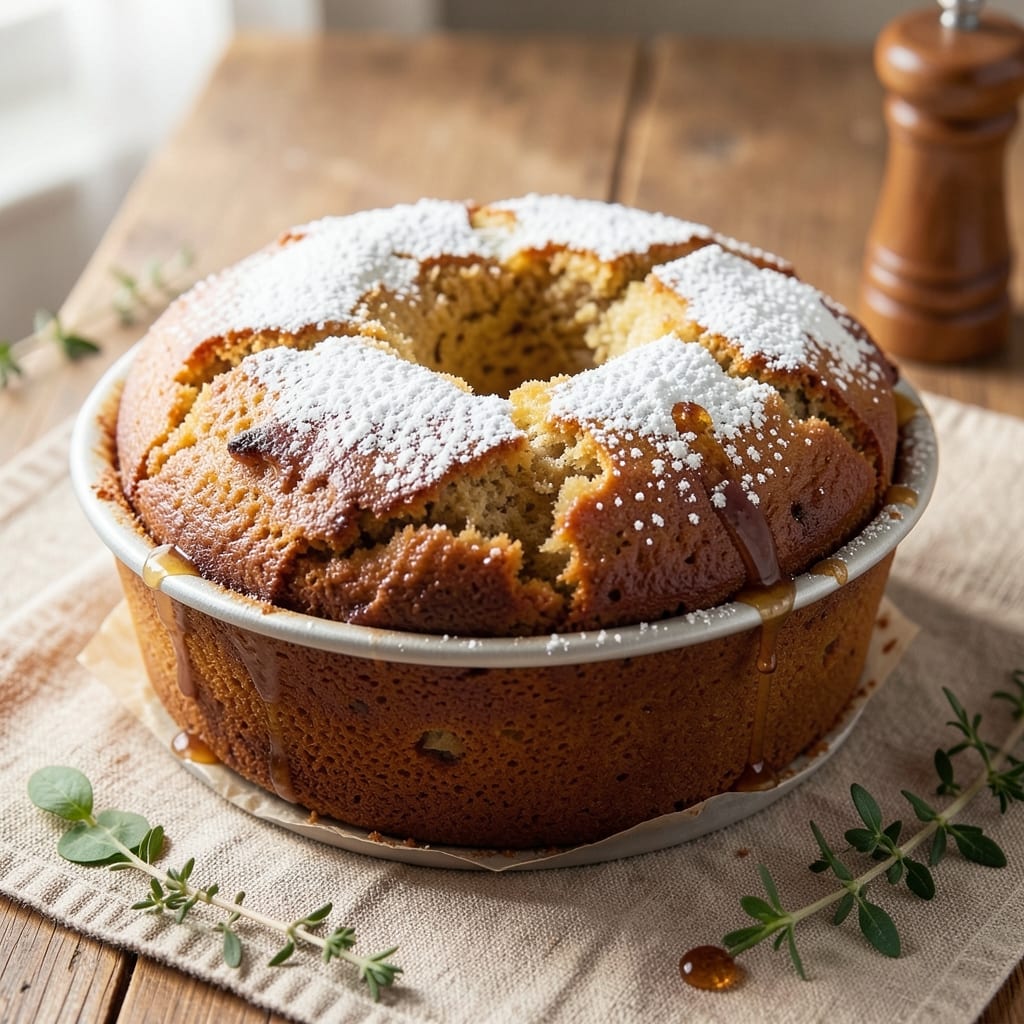
This four-pound cake recipe delivers the legendary moisture and tender crumb that made Southern bakeries famous—all in a single 9x13-inch pan. The secret lies in precise ingredient ratios and a gentle baking approach that ensures every slice stays perfectly moist for days. I've perfected this version over years of testing, balancing butter, sugar, and eggs to create that signature dense-yet-light texture.
What sets this recipe apart is its foolproof method: no fancy equipment, no tricky techniques—just a bowl, a whisk, and patience. The cake bakes slowly at 325°F, allowing flavors to develop evenly while preventing a dry crust. Traditional vanilla extract infuses throughout, but you can easily adapt it to chocolate or citrus variations by swapping just one ingredient.
By the time it emerges from the oven, you'll have a cake with a golden top and tender crumb that holds together beautifully. The aroma alone will have everyone gathering in the kitchen, and each slice reveals that perfect balance of buttery richness and delicate sweetness. Serve it plain, with whipped cream, or dusted with powdered sugar—it's equally impressive for holidays or weeknight treats.
This recipe also doubles as a restaurant-quality base for layer cakes or trifles. The rich flavor and sturdy structure make it ideal for building elaborate desserts without compromising texture. Ready to master the art of the classic pound cake? Let's get started with the ingredients.
Ingredients for 4 pound cake
Classic Southern ingredients for the perfect single-pan cake—rich, moist, and foolproof.
| Ingredient | Amount | Notes |
|---|---|---|
| Unsalted Butter 🧈 | 1 ½ cups | Cold, cubed for even mixing |
| Granulated Sugar 🍚 | 2 ½ cups | Superfine preferred for smooth texture |
| All-Purpose Flour 🌾 | 3 ½ cups | Sifted for lightness |
| Large Eggs 🥚 | 4 whole | Room temperature, separated |
| Pure Vanilla Extract 🌿 | 2 tbsp | High-quality, Madagascar bourbon preferred |
| Baking Powder 🧂 | 1 ½ tsp | Aluminum-free for stability |
| Salt 🧂 | ½ tsp | Fine sea salt preferred |
| Milk 🥛 | 1 ½ cups | Whole milk for richness |
| Vegetable Oil 🫒 | ½ cup | Light neutral flavor |
The butter makes or breaks this cake. Use European-style butter if possible—it has higher fat content for that signature tender crumb. I always grab Plugrá or Land O'Lakes from the grocery store, but Whole Foods has excellent imported options. Keep it cold while creaming to avoid overmixing. The vanilla extract? Madagascar bourbon has the deepest flavor, but any pure extract will work. For the flour, King Arthur or Gold Medal brands are my go-to—they're sifted and consistent. If you're at Trader Joe's, their organic all-purpose flour is perfect.
No vanilla extract? Vanilla bean paste or even vanilla sugar works in a pinch—just reduce the sugar slightly. Running short on butter? Substitute equal parts shortening, though the flavor won't be quite as rich. The milk can be swapped for half-and-half or heavy cream for extra decadence, but whole milk keeps it classic. For the oil, vegetable or canola are neutral—avoid strongly flavored oils like olive. The baking powder must be fresh; if it's over a year old, replace it entirely. Pro tip: Sift all dry ingredients together to prevent lumps.
This cake keeps beautifully—5-7 days in an airtight container at room temperature, or up to 3 months frozen. Wrap tightly in plastic wrap, then foil, for freezing. For serving, dust with powdered sugar or add a layer of whipped cream. The texture improves overnight as the flavors meld. Double the recipe? Use two 9x13-inch pans or a single 10x15-inch sheet pan. Always bake at 325°F—higher temps risk a dry crust.
Why You'll Love This Recipe
- No Mixer Needed: I swear by this—just cream butter and sugar until light, fold in eggs one at a time, and let the flour do the rest. The batter’s so forgiving that even if I forget to sift, it still comes out tender. Honestly, my stand mixer gets a break for this one.
- Vanilla Bomb: That first whiff of vanilla extract baking into the butter-sugar base? It’s like a hug in cake form. The flavor’s rich but not overpowering, and the eggs give it that silky, melt-in-your-mouth texture that makes it worth every bite.
- Budget-Friendly Luxury: Four pounds of cake for under $10? With butter, sugar, and eggs as the stars, this recipe stretches further than pricier box mixes. Plus, the leftovers keep for days—wrap slices in parchment, freeze them, and you’ve got an instant treat when cravings hit.
Step-by-step instructions for four-pound cake
Here's how to bake a perfectly moist, classic vanilla four-pound cake in one pan.
Prepare Your Cake Pan and Preheat the Oven
Generously grease a 10-inch tube pan with vegetable oil, then dust it thoroughly with all-purpose flour, tapping out any excess. This prevents sticking and ensures easy removal. Line the bottom with a round of parchment paper for extra insurance—especially important for this dense cake that releases moisture as it bakes.
Preheat your oven to 350°F and place the rack in the center position. I like to use an oven thermometer to verify accuracy—home ovens often run 25°F hotter or colder than set. This cake's success depends on even, gentle baking, so don't skip this step. While the oven heats, separate the 4 whole large eggs, placing yolks in one bowl and whites in another. Room temperature eggs whip better, but if yours are cold, let them sit in warm water for 5 minutes before separating.
Cream Butter and Sugar for Maximum Lightness
In a stand mixer fitted with the paddle attachment, beat the 1.5 cups cold unsalted butter and 2.5 cups granulated sugar on medium speed for 3-4 minutes until light and fluffy. You're looking for a mixture that nearly doubles in volume and leaves clean streaks when you lift the paddle. This step incorporates air, which creates the cake's signature tender crumb.
I press down on the butter mixture with a spatula occasionally to break up any lumps—this ensures even distribution of fat throughout the batter. The cold butter should melt gradually during mixing, creating tiny pockets of air that prevent a dense texture. If your kitchen gets warm, chill the mixture for 10 minutes before proceeding to maintain proper consistency.
Add Egg Yolks and Mix Until Fully Incorporated
Add the egg yolks, one at a time, mixing on low speed after each addition until fully combined. Then add the 2 tbsp pure vanilla extract and mix for 30 seconds until evenly distributed. The mixture should be thick and smooth at this stage—almost like a ribbon when you lift the paddle.
Here's where it gets critical: add the 1.5 cups milk and 0.5 cup vegetable oil all at once, mixing on low speed for 1 minute until just combined. The milk helps hydrate the flour while the oil adds moisture and tenderness. Don't overmix—you should still see slight streaks of flour in the batter. Overmixing develops gluten, which makes the cake tough instead of moist.
Combine Dry Ingredients and Fold Gently
In a separate bowl, whisk together the 3.5 cups all-purpose flour, 1.5 tsp baking powder, and 0.5 tsp salt. Sift the dry ingredients directly into the wet mixture, then gently fold together using a spatula in a figure-eight motion until just combined. You're looking for a thick batter with no dry spots—just a few streaks of flour remaining.
This is the moment that matters: add the egg whites in 3 additions, gently folding them in with the spatula. Be careful not to deflate the whites—they provide the cake's lift and lightness. The batter should be thick enough to hold its shape when you lift the spatula, but still pourable. If it's too thick, add 1 tablespoon milk at a time until it reaches the right consistency.
Bake Until Golden and Test for Doneness
Pour the batter into your prepared tube pan and smooth the top with a spatula. Tap the pan gently on the counter 3-4 times to remove any air bubbles. Bake in the preheated oven for 50-60 minutes, until the top is golden brown and a toothpick inserted in the center comes out clean with just a few moist crumbs clinging to it.
I know it seems like too much time, but trust me—this cake needs the full baking period to develop its signature moisture. The cake should pull away slightly from the sides of the pan and have a springy texture when pressed gently in the center. If the top browns too quickly, tent the pan with aluminum foil to prevent over-browning while allowing the center to finish baking.
Cool and Serve for Maximum Moisture
Remove the cake from the oven and let it cool in the pan for 15 minutes, then invert it onto a wire rack to cool completely. This gradual cooling prevents cracking and helps the cake set properly. I like to brush the warm cake with simple sugar syrup (equal parts granulated sugar and water, heated until dissolved) while still warm—this adds extra moisture and enhances the vanilla flavor.
Serve slices at room temperature for the best texture. The cake should be tender with a fine crumb and just the right amount of vanilla sweetness. Store any leftovers in an airtight container at room temperature for up to 3 days, or refrigerate for up to 5 days. For longer storage, wrap tightly in plastic wrap and freeze for up to 3 months. Thaw overnight in the refrigerator before serving.
Pro Tips For Making 4 Pound Cake
- Cream Butter Slowly: I learned this the hard way—dumping cold butter into sugar and whipping it all at once just makes a greasy mess. Instead, soften the butter first (it should dent when pressed, not crumble), then add it to the sugar in 3-4 additions while mixing on medium. Let the first batch emulsify before adding more, or you’ll end up with a cake that tastes like butterfinger instead of vanilla heaven.
- Weigh Your Flour: Your measuring cups are lying to you. Spooning flour into a cup packs it too tightly, and that’s how you end up with a dense, brick-like cake. Use a kitchen scale for precision—4 pounds of cake needs about 3 ½ cups of flour by weight (not volume). If you’re stuck with cups, scoop it lightly and level it off with a knife, then tap the bowl sharply 3 times to settle it.
- Don’t Overmix Eggs: After burning three batches of cake with eggs splattered everywhere, I finally realized: once the eggs are fully incorporated into the butter-sugar mix, stop. Overmixing adds gluten and turns your tender cake into a chewy loaf. Fold in the eggs just until no streaks remain—about 20 seconds max—and then switch to spatula work to keep things gentle.
- Test Doneness Early: Your oven runs hotter than you think, and that’s how you end up with a cake that looks perfect on the outside but’s raw in the middle. Stick a clean toothpick in the center at the earliest time the recipe suggests—if it comes out with a few moist crumbs but no wet batter, it’s done. If you wait for the "perfect pull," you’ll have a dry, overbaked disaster. (Yes, even if the recipe says "10-15 minutes more.")
Flavor customization for this recipe
Classic Vanilla Twist
The signature vanilla flavor comes from 2 tbsp pure Madagascar bourbon vanilla extract, but you can elevate it further. For a richer taste, add 1 vanilla bean, split and scraped, along with the extract. For a modern twist, infuse the milk with 1 tsp high-quality espresso powder before adding it to the batter—this creates a subtle coffee note that pairs beautifully with chocolate frosting. 🌿
Chocolate Lover's Version
Replace 1 cup of the granulated sugar with ½ cup Dutch-processed cocoa powder and add ½ cup hot water to the dry ingredients. This creates a rich, fudgy chocolate pound cake that's perfect for birthdays. For extra decadence, fold in ½ cup semi-sweet chocolate chips before baking. The texture stays tender despite the cocoa.
Citrus Zest Infusion
Add 1 tbsp lemon or orange zest to the dry ingredients for a bright, refreshing variation. I love this with ½ cup fresh orange juice added to the milk mixture. The citrus cuts through the richness while adding a beautiful color. For a tropical twist, use lime zest and coconut milk instead of regular milk.
Spiced Variations
For a warm spice profile, add 1 tsp cinnamon and ½ tsp nutmeg to the dry ingredients. For a gingerbread twist, include 1 tsp ground ginger and ½ tsp cloves. These work beautifully with cream cheese frosting. The spices enhance the vanilla's warmth while adding complexity that pairs well with holiday gatherings.
Gluten-Free Adaptation
Swap the all-purpose flour for a 1:1 gluten-free baking blend like Bob's Red Mill or King Arthur. Add ½ tsp xanthan gum to help bind the crumb. The texture will be slightly denser but still moist. For best results, use a gluten-free measuring cup and sift the blend thoroughly before mixing. The cake maintains its signature tenderness despite the flour substitution.
Protein-Packed Boost
Boost nutrition by replacing ½ cup of the milk with ½ cup unsweetened Greek yogurt or ½ cup liquid egg whites. For a higher-protein version, add ½ cup vital wheat gluten to the dry ingredients along with the flour. This creates a cake with 10-12g protein per slice while keeping the classic texture. The yogurt adds tangy depth that balances the sweetness beautifully. 💪
Nutrition facts
Frequently asked questions
Why is this called a "four-pound cake" when it doesn't weigh exactly 4 pounds?
A traditional four-pound cake gets its name from the original recipe's ingredient quantities, which yielded a cake weighing about 4 pounds when fully baked. This recipe uses a 10-inch tube pan and produces a cake that's roughly 3.5-4 pounds after baking. The name reflects the classic Southern tradition rather than an exact weight measurement.
Can I make this recipe in a 9x13-inch pan instead of a tube pan?
Yes, but expect different results. A 9x13-inch pan will give you a flatter, wider cake with a slightly denser texture. For best results, use a 9x13-inch pan and reduce the baking time to 45-50 minutes. The cake will still be delicious but won't have the classic "tube" shape. The recipe's moisture levels will work fine in either pan.
How do I prevent my four-pound cake from cracking on top?
Cracking usually happens from sudden temperature changes or overbaking. To prevent it:
- Don't open the oven door during the first 30 minutes of baking,
- Tent the cake with foil if the top browns too quickly, and
- Let the cake cool gradually in the pan for 15 minutes before removing it. Brushing warm cake with simple sugar syrup also helps seal the surface.
Can I substitute butter with margarine or shortening?
While possible, I don't recommend it for this recipe. Butter creates the cake's signature tender crumb and rich flavor. If you must substitute, use equal parts shortening (like Crisco) for texture, but the flavor won't be as authentic. For margarine, use 10% less by volume since it contains water. The cake will still be moist but slightly denser.
How long should I wait before slicing the cake?
Wait at least 2 hours before slicing for the best texture. This allows the cake to fully set and prevents it from falling apart. The longer it rests (up to 24 hours), the more tender and flavorful each slice will be. If you're in a hurry, slice carefully after 1 hour, but expect slightly denser pieces.