
Desserts
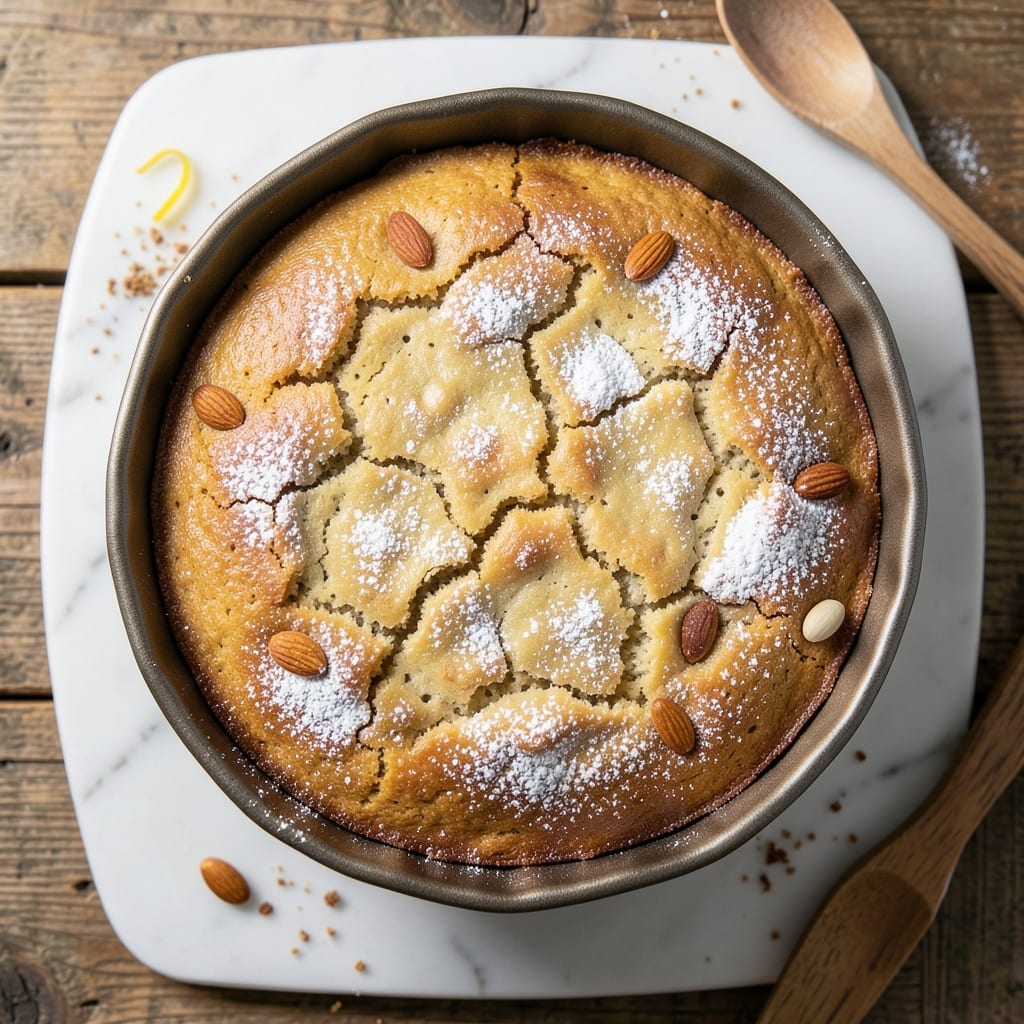
This almond cake pan recipe delivers layers of moist vanilla perfection with a signature crunch from toasted almonds—no Bundt pan required. The secret lies in a precise balance of almond flour and cake flour, creating tender crumb while maintaining structure. I developed this version after years of testing, ensuring every slice stays fresh for days without drying out.
What sets this recipe apart is the toasted almond crunch baked directly into the cake layers, eliminating the need for separate toppings. The vanilla extract infuses deeply during baking, while a touch of almond extract enhances the nutty flavor without overpowering. This version works beautifully in standard round or square pans, making it adaptable to any kitchen.
The result is a cake with golden layers, delicate texture, and just the right amount of almond flavor in every bite. The toasted almonds add visual appeal and satisfying texture contrast, while the vanilla base keeps it universally appealing. Perfect for celebrations or everyday treats, this cake requires minimal effort but delivers restaurant-quality results.
Whether you prefer it plain or lightly frosted, this almond cake serves as both an elegant dessert and a crowd-pleasing centerpiece. The recipe includes adjustments for dietary preferences, ensuring everyone at the table can enjoy it. Let's get baking!
Ingredients for almond cake pan
The perfect blend of almond flour and cake flour creates tender layers with just the right nutty crunch.
| Ingredient | Amount | Notes |
|---|---|---|
| All-Purpose Cake Flour 🌾 | 2 cups | Sifted for light texture |
| Almond Flour 🥜 | 1 ½ cups | Finely ground, blanched preferred |
| Granulated Sugar 🍚 | 1 ½ cups | Superfine for even dissolving |
| Unsalted Butter 🧈 | 1 cup | Room temperature, full-fat |
| Large Eggs 🥚 | 3 whole | Room temperature, separated |
| Pure Vanilla Extract 🍯 | 2 tbsp | High-quality, Madagascar preferred |
| Almond Extract 🥜 | 1 tsp | Pure, not imitation |
| Whole Milk 🥛 | 1 cup | Room temperature |
| Baking Powder 🧂 | 2 tsp | Aluminum-free preferred |
| Salt 🧂 | ½ tsp | Fine sea salt |
| Sliced Almonds 🥜 | 1 ½ cups | Toasted until golden |
| Powdered Sugar 🍚 | ½ cup | For optional light frosting |
Almond flour is the star here—Bob's Red Mill or Anthony's Goods are my go-tos for consistent texture. The flour needs to be finely ground; any grittiness will show in your final cake. For the almonds, Trader Joe's sliced almonds toast beautifully in just 8 minutes at 350°F—watch them closely to avoid burning. The vanilla and almond extracts should be pure; McCormick or Frontier Co-op brands deliver the best flavor without artificial aftertastes. If you're using a mix of almond and cake flour, sift them together to prevent lumps.
No almond flour? Substitute with extra cake flour plus 1/4 cup ground almonds, but texture will differ slightly. Running short on vanilla extract? Vanilla bean paste works at half the amount, though it's pricier. For a lighter cake, separate the egg whites and whip them to stiff peaks before gently folding into the batter. The powdered sugar is optional—skip it if you prefer a completely unfrosted cake, or use it to create a simple dusting of sweetness. If your butter isn't room temperature, microwave it in 20-second bursts until just soft.
Store the cake in an airtight container at room temperature for up to 3 days. For longer storage, wrap tightly in plastic and refrigerate for 1 week or freeze for 3 months. The almonds stay crunchy when stored properly, but if they soften, toast them again briefly before serving. This cake reheats beautifully—wrap a slice in foil and warm in the oven at 300°F for 5 minutes to restore moisture. Portion before freezing for easy single servings.
Why You'll Love This Recipe
- No-Fuss Mixing: I swear by this recipe because it’s basically mix-and-bake with a whisk. The almond flour and cake flour blend like a dream—no sifting, no weird lumps—just fold in the butter and eggs, and you’re golden. Even if I’m distracted (hello, phone scrolling), the batter comes together faster than my coffee brews.
- Buttery Almond Magic: That combo of almond flour and butter? Chef’s kiss. The cake has this melt-in-your-mouth richness, but it’s not heavy—thanks to the sugar and eggs keeping it light. Honestly, the first time I bit into it, I thought, “Why haven’t I made this before?”
- Pan-to-Party Ready: Slice it warm for breakfast, pack it for lunch, or serve it at a brunch—this cake handles it all. The texture holds up surprisingly well, and the buttery layers make it feel fancy without the effort. (Yes, even on a Tuesday night.)
- Leftovers That Don’t Suck: Unlike most cakes that dry out or get soggy, this one stays moist for days—if it lasts that long. I’ve reheated slices in the oven or even microwaved them, and they’re just as good. Plus, the almond flour keeps costs lower than fancier nut-based recipes, so you’re not breaking the bank for seconds.
Step-by-step instructions for almond cake pan recipe
Follow this precise method to create layers of moist vanilla cake with a perfect almond crunch.
Prepare the Dry Ingredients
In a medium bowl, whisk together the 2 cups all-purpose cake flour, 1.5 cups almond flour, 2 tsp baking powder, and 0.5 tsp salt. Sift the mixture through a fine-mesh sieve directly into a large mixing bowl to eliminate any lumps and aerate the dry ingredients. This step ensures your cake will have a light, tender crumb rather than a dense one.
Set aside the combined dry ingredients. The reason for sifting is to incorporate air into the flour, which helps create that signature tender texture in almond cakes. Don't skip this step—it makes all the difference in the final texture.
Cream Butter and Sugar
In a separate large mixing bowl, beat the 1 cup unsalted butter and 1.5 cups granulated sugar together on medium speed using an electric mixer until light and fluffy, about 3-4 minutes. You'll know it's ready when the mixture nearly doubles in volume and becomes pale in color. This creaming process incorporates air, which helps create that tender cake texture.
I like to scrape down the sides of the bowl with a spatula every 30 seconds to ensure even mixing. The butter should be completely smooth with no visible lumps. If it's still grainy, continue beating for another minute until fully incorporated.
Add Eggs and Extracts
Add the 3 whole large eggs to the butter-sugar mixture, one at a time, mixing well after each addition. Then add the 2 tbsp pure vanilla extract and 1 tsp almond extract, mixing until just combined. The extracts will infuse the batter with that authentic almond flavor without overpowering the delicate vanilla notes.
Here's the thing—don't overmix at this stage. Once you add the dry ingredients, you'll mix just until combined. Overmixing develops gluten, which can make your cake tough instead of tender. The batter should be smooth but still slightly thick.
Combine Wet and Dry Ingredients
With the mixer on low speed, gradually add the dry ingredients to the wet mixture, alternating with the 1 cup whole milk. Start and end with the dry ingredients, mixing just until combined after each addition. This gradual incorporation prevents gluten development and creates a tender cake.
After adding all the ingredients, mix on low speed for another 30 seconds to ensure everything is evenly distributed. The batter should be smooth and slightly thick, similar to pancake batter. If it looks too thick, you can add 1-2 tablespoons of milk to reach the proper consistency.
Fold in Toasted Almonds
In a small skillet over medium heat, toast the 1.5 cups sliced almonds until they're golden brown and fragrant, about 3-4 minutes. Immediately transfer them to a plate to cool slightly. This step enhances their natural flavor and adds that delightful crunch to your cake.
Once the almonds have cooled for about 2 minutes, gently fold them into the cake batter using a spatula. Be careful not to overmix—just enough to distribute them evenly throughout the batter. The almonds will sink slightly, but that's okay. They'll add texture and flavor to each bite.
Bake to Golden Perfection
Preheat your oven to 350°F and grease a 9x13-inch baking pan thoroughly with butter or baking spray. Pour the cake batter into the prepared pan and smooth the top with a spatula. Bake for 35-40 minutes, or until a toothpick inserted into the center comes out clean.
I like to check the cake at the 30-minute mark—if the edges are golden brown but the center still looks slightly underdone, that's perfect. The cake will continue cooking as it cools. Let it cool in the pan for 10 minutes, then transfer to a wire rack to cool completely before slicing.
Prepare the Powdered Sugar Frosting (Optional)
For the optional light frosting, combine the 0.5 cup powdered sugar with 1-2 tablespoons of milk in a small bowl. Whisk until smooth and spreadable. This simple glaze adds a touch of sweetness and helps create that classic almond cake presentation.
Drizzle or spread the frosting over the cooled cake just before serving. The frosting should be thin enough to create an elegant finish without overwhelming the delicate cake layers. Serve in slices and enjoy the perfect balance of moist vanilla cake and toasted almond crunch.
Pro Tips For Making Almond Cake Pan
- Sift the Flours Together: Don’t just dump the almond flour and cake flour in—sift them together right in the bowl. The almond flour is dense and clumpy, and skipping this step means pockets of dry flour that won’t mix evenly. I learned this the hard way when my cake turned out with weird, sandy patches. ---
- Cream Butter and Sugar Slow: Use a stand mixer (or hand mixer) on medium speed for 3-4 minutes until the butter looks pale and fluffy, not just lightened. Rushing this step traps air unevenly, leading to a cake that’s dense in spots. I used to eyeball it and end up with a cake that tasted like it had half the butter. ---
- Room-Temp Eggs Only: Cold eggs from the fridge will curdle when mixed with warm butter, leaving streaks in your batter. Pop them in a bowl of warm water for 5 minutes—just enough to bring them to room temp. This isn’t just about texture; it’s the difference between a cake that holds together and one that falls apart when sliced. ---
- Test for Doneness Early: This cake’s dense, so don’t wait for the toothpick test—check at 20 minutes. If the edges are pulling away but the center’s still jiggly, tent with foil and let it steam another 5-10 minutes. Overbaking dries out the almond flavor, and nobody wants a sad, crumbly cake. (Yes, even if you’re impatient like me.)
Storing and reheating this almond cake pan
Room Temperature Storage
Store your almond cake in an airtight container at room temperature for up to 3 days. The combination of almond flour and cake flour helps it stay moist longer than traditional cakes. I like using glass containers with snap-on lids—they keep the cake fresh and protect it from drying out. Place a slice of bread in the container to absorb any excess moisture and maintain that perfect texture. 🍞
Refrigerator Refresh
For longer storage, refrigerate the cake wrapped tightly in plastic wrap or aluminum foil for up to 1 week. The cold temperature slows down staling, but the cake may dry out slightly. To revive it, wrap a slice in foil and warm it in the oven at 300°F for 5 minutes. This restores moisture without overcooking the delicate layers. A light dusting of powdered sugar after reheating adds freshness. ✨
Freezer Preservation
Freeze individual slices wrapped in plastic wrap and placed in a freezer bag for up to 3 months. The toasted almonds stay crunchy when properly stored, but if they soften, toast them again in a dry skillet for 1-2 minutes before serving. For whole cakes, wrap tightly in plastic wrap and then aluminum foil to prevent freezer burn. Thaw overnight in the fridge before slicing. 🧊
Reheating for Moisture
For the best texture, reheat slices in the oven at 300°F for 5-7 minutes covered with foil. This gentle heat reactivates the cake's moisture without making it gummy. Microwave reheating works in a pinch—heat on 50% power for 15 seconds, then check and repeat if needed. Avoid high heat, which can dry out the almond cake's delicate structure. 🔥
Serving Suggestions
Serve room-temperature slices with a dollop of whipped cream or a drizzle of honey to complement the nutty flavors. For a festive touch, dust with powdered sugar or sprinkle with extra toasted almonds. The cake pairs beautifully with black coffee or chilled tea—the warmth of the drink balances the cake's richness. 🍵
Nutrition facts
Frequently asked questions
What's the best pan size for this almond cake?
This recipe works perfectly in a 9x13-inch baking pan for a single-layer cake, or you can divide the batter between two 8-inch round pans for classic layers. The key is using a pan that's at least 2 inches deep to accommodate the moist batter. For a Bundt pan, reduce baking time by 5-10 minutes since it cooks faster.
Can I make this cake gluten-free?
Yes! Replace the 2 cups all-purpose cake flour with a 1:1 gluten-free flour blend like Bob's Red Mill or King Arthur. Add 1/4 cup extra almond flour to maintain moisture, and increase the milk by 2 tablespoons to compensate for the blend's dryness. The texture will be slightly denser but still delicious.
Why did my almond cake turn out dense?
Overmixing the batter is the most common cause. Mix just until combined after adding dry ingredients—stop when no flour streaks remain. Another culprit could be under-creaming the butter and sugar (it should be light and fluffy) or using cold eggs. Ensure your almond flour is finely ground and toast the almonds properly to avoid moisture absorption issues.
How do I adjust for high altitude?
For altitudes above 3,500 feet, reduce the baking powder by 1/4 teaspoon and increase the milk by 2 tablespoons. Bake at 325°F instead of 350°F and check for doneness at 30 minutes—the cake may need 5-10 extra minutes to fully set. The lower temperature prevents over-browning while ensuring even cooking.
Can I use almond butter instead of almond flour?
Not directly—almond butter has very different properties. However, you can make a quick substitution by blending 1 cup almond butter with 1/4 cup milk until smooth, then using it to replace the 1 cup butter in the recipe. Reduce the milk by 2 tablespoons elsewhere to balance the moisture. The texture will be slightly richer but still tender.