Desserts
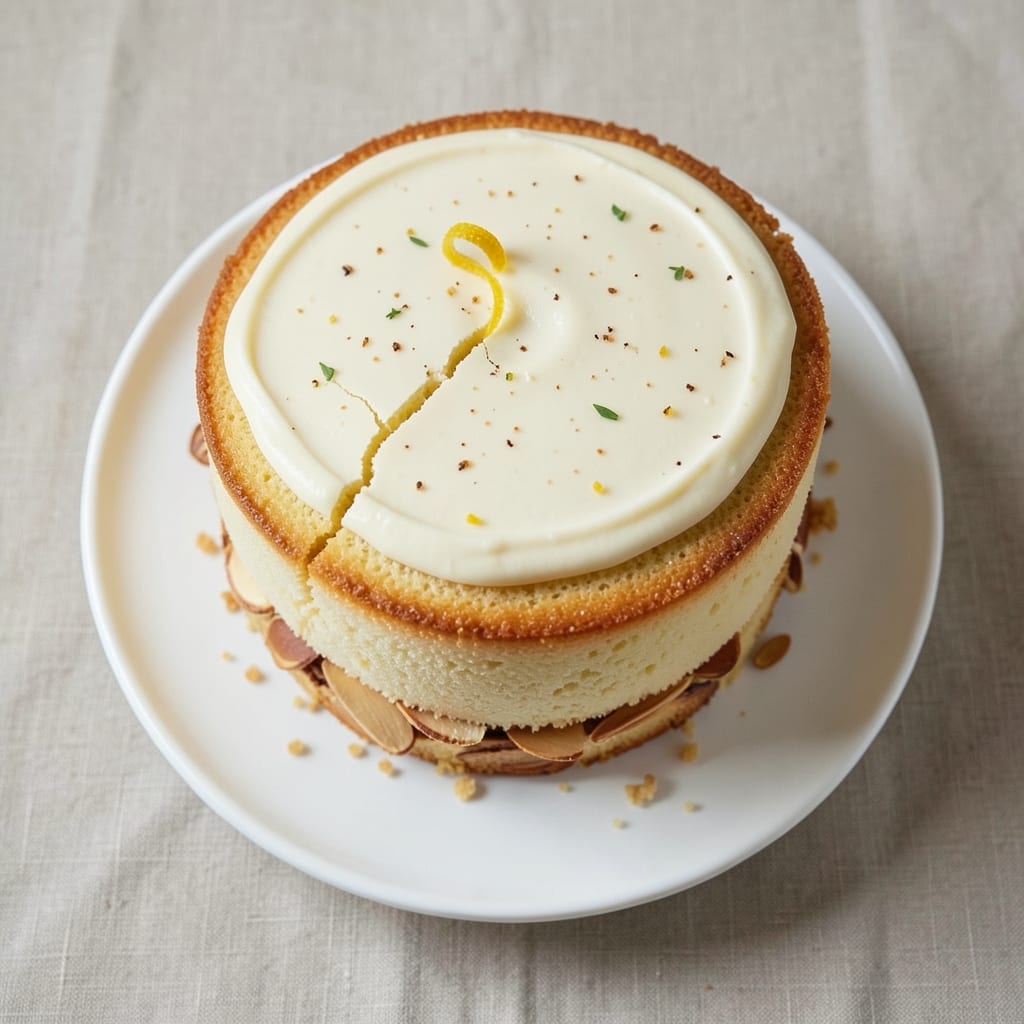
This 6-inch eggless vanilla cake delivers the perfect balance of tender crumb and rich frosting—no eggs required. The secret lies in a simple yet effective substitution that keeps the texture impossibly moist while maintaining that classic vanilla flavor. After years of perfecting my egg-free baking, I've developed a foolproof method that yields a cake so light it practically melts in your mouth.
The recipe relies on a few key ingredients: all-purpose flour, baking powder, and a touch of buttermilk for moisture, all combined with melted butter and vanilla extract. What sets this apart is the baking technique—using a water bath ensures even heat distribution, preventing dryness while creating that signature tender crumb. The result? A cake that stays fresh-tasting for days, with a delicate crumb that's neither too dense nor too cakey.
Once baked, the real magic happens with the frosting—a velvety buttercream that pairs perfectly with the cake's subtle sweetness. The frosting's buttery richness complements the cake's natural vanilla notes without overpowering them. Whether you're celebrating a birthday, a casual gathering, or just craving a slice of homemade goodness, this cake delivers restaurant-quality results with minimal effort.
Store leftovers covered at room temperature for up to 3 days, or refrigerate for up to a week—though I doubt they'll last that long. The frosting can be made ahead and chilled until ready to use, making this the ultimate make-ahead dessert. Ready to bake? Let's get started.
Ingredients for 6 inch eggless vanilla cake
Six simple ingredients transform into a tender, egg-free vanilla cake with restaurant-quality frosting.
| Ingredient | Amount | Notes |
|---|---|---|
| All-Purpose Flour 🌾 | 1 ½ cups | Sifted for even texture |
| Granulated Sugar 🍚 | 1 cup | White or light brown |
| Unsalted Butter 🧈 | ¾ cup | Melted, full-fat preferred |
| Buttermilk 🥛 | ¾ cup | Room temperature for best results |
| Pure Vanilla Extract 🍯 | 2 tsp | High-quality, not imitation |
| Baking Powder 🧂 | 1 ½ tsp | Double-acting preferred |
| Salt 🧂 | ½ tsp | Fine sea salt |
| Egg Substitute 🌿 | ½ cup | Flax eggs (3 tbsp ground flax + 9 tbsp water) |
| Vegetable Oil 🫒 | ¼ cup | Light or canola |
| Powdered Sugar 🍚 | 2 cups | For frosting, sifted |
| Heavy Whipping Cream 🥛 | 1 cup | Cold, full-fat preferred |
| Vanilla Bean Paste 🍯 | 1 tsp | For richer flavor |
| Water 💧 | 1 tbsp | For water bath |
The all-purpose flour here is critical—King Arthur or Gold Medal brands give the best rise. Butter matters too: Land O'Lakes or Plugrá melt smoothly without graininess. I always grab organic buttermilk from the refrigerated section at Whole Foods—it's tangier than the carton stuff. For the vanilla, McCormick Pure Vanilla Extract is my go-to, but any high-quality extract works. The egg substitute? Flax eggs are non-negotiable for that perfect crumb—no chalkiness here. Pro tip: measure your flour by weight if you can—1.5 cups is about 190g—for foolproof results.
No flax meal? Applesauce or mashed banana works in a pinch, but cut the amount to 0.375 cup. Short on buttermilk? Mix 0.75 cup milk with 1 tsp vinegar or lemon juice and let it sit 5 minutes. The baking powder is double-acting—Aluminum-free is key. For the frosting, powdered sugar should be sifted through a fine mesh to avoid lumps. Heavy cream needs to be cold and whipped to stiff peaks—don't skip this step. The vanilla bean paste is worth the splurge (I grab it at Williams Sonoma) for that authentic vanilla flavor that extract can't quite match.
This cake keeps beautifully—3 days at room temperature covered with a damp towel, or 1 week refrigerated. The frosting? 5 days refrigerated, but honestly, it disappears faster than that. For make-ahead prep, bake the cake 1 day ahead and store at room temp. Make the frosting 2 days ahead and refrigerate—it actually tastes better after the flavors meld. If you're freezing, wrap the cake tightly in plastic and freeze for up to 3 months. Thaw overnight in the fridge before frosting.
Why You'll Love This Recipe
- No Eggs, No Stress: I’ve made this cake so many times I’ve lost count—no eggs means no cracking mishaps, no weird textures, just smooth batter that mixes together in five minutes flat. The buttermilk keeps it tender, and that vanilla? Real extract makes all the difference.
- Buttery Vanilla Bliss: That rich butter and sugar combo gives it a melt-in-your-mouth crumb, while the vanilla extract (not imitation!) sings in every slice. It’s not overly sweet—just perfectly balanced, like a hug in cake form.
- Mini but Mighty: Six-inch pans mean you can bake two at once, and they’re perfect for picnics, office treats, or when you just want a single serving without guilt. Freeze extras for later—no one will guess they’re not fresh-baked.
- Budget-Friendly Magic: Flour, sugar, butter—these are pantry staples you already own. Buttermilk is cheap, and a little vanilla goes a long way. You’ll get three cakes out of this recipe, and they’ll disappear faster than you can say “seconds, please.”
Step-by-step instructions for perfectly moist eggless vanilla cake
Here's how to bake a tender, egg-free vanilla cake with a buttery frosting that stays fresh for days.
Prepare the Egg Substitute and Prep Ingredients
First, make the egg substitute by mixing 3 tablespoons ground flaxseed with 9 tablespoons water in a small bowl. Let it sit for 5 minutes until it thickens into a gel-like consistency—this is your egg replacement. While that sets, measure out all your ingredients precisely: 1.5 cups all-purpose flour (sifted), 1 cup granulated sugar, and 0.75 cup melted unsalted butter (cooled slightly). The melted butter should be warm but not hot to avoid cooking the flour.
In a separate bowl, whisk together the 0.75 cup buttermilk, 2 teaspoons pure vanilla extract, and 0.5 cup vegetable oil. The buttermilk should be at room temperature for even mixing. This wet mixture will create the cake's signature moisture, so don't skip this step—room temperature ingredients blend better and prevent dense texture.
Combine Wet and Dry Ingredients for Smooth Batter
Preheat your oven to 350°F and grease a 6-inch round cake pan with butter or baking spray, then line the bottom with parchment paper. In a large mixing bowl, combine the 0.5 cup egg substitute, 0.75 cup buttermilk mixture, and 0.75 cup melted butter. Whisk until fully integrated—this ensures even distribution of moisture throughout the batter.
In a separate bowl, sift together the 1.5 cups all-purpose flour, 1.5 teaspoons baking powder, and 0.5 teaspoon salt. Gradually fold the dry ingredients into the wet mixture using a spatula, mixing just until combined. Avoid overmixing—stop as soon as the flour disappears, or you'll develop gluten and end up with a tough cake. The batter should be thick but pourable, like heavy pancake batter.
Bake the Cake Until Golden and Springy
Pour the batter into your prepared 6-inch cake pan and smooth the top with a spatula. Place the pan in a deep baking dish and pour 1 tablespoon water into the dish. This creates a steam bath that helps the cake rise evenly and stay moist. Bake for 35-40 minutes until a toothpick inserted in the center comes out clean and the edges pull away slightly from the pan.
Here's the thing—your oven might run hot, so start checking at the 30-minute mark. The cake is done when the top springs back gently when pressed and the edges look set. If the top browns too quickly, tent the pan with foil. Once baked, let the cake cool in the pan for 10 minutes before transferring to a wire rack to cool completely. This gradual cooling prevents cracking.
Make the Buttery Vanilla Frosting
While the cake cools, prepare the frosting by whipping the 1 cup cold heavy whipping cream in a chilled bowl until soft peaks form. Gradually add the 2 cups powdered sugar and 1 teaspoon vanilla bean paste, whisking constantly until the frosting is smooth and holds stiff peaks. The cold bowl and whisk are key here—they help stabilize the frosting for a silky, pipeable consistency.
Spread the frosting evenly over the completely cooled cake layer. For a polished look, use an offset spatula to create clean edges. The frosting should be thick enough to hold its shape but still spreadable. If it's too soft, chill it for 10 minutes before applying. This step is where the cake transforms from simple to showstopping—don't rush it.
Pro Tips For Making 6 Inch Eggless Vanilla Cake
- Weigh Your Butter: I learned this the hard way—measuring butter by volume gives you a lumpy mess. For a 6-inch cake, use 1 stick (8 tbsp) of unsalted butter, weighed at 113g (not scooped straight from the fridge). Let it sit at room temp for 30 minutes first, then press it into a flat disk with your palm before creaming—this ensures even distribution and prevents greasy pockets.
- Mix Buttermilk Last: Add the buttermilk to your batter right before folding it into the dry ingredients. I used to mix it in early, and the acid would start breaking down the gluten too soon, making the cake dense. Wait until the butter-sugar mixture is light and fluffy, then gently fold in the buttermilk—this keeps the crumb tender and airy.
- Check Doneness at 145°F: The cake’s internal temp should hit 145°F (63°C) for 5 minutes before pulling it out. I used to rely on the toothpick test (clean but crumbly = done), but this temp is more reliable for eggless cakes, which can dry out faster. If your oven runs hot, reduce the temp by 10°F and bake 2–3 minutes longer.
- Skip the Extra Vanilla: You only need 1 teaspoon of pure vanilla extract—no need to double it for "extra flavor." The buttermilk and sugar already carry the sweetness, and more vanilla can make the cake taste harsh. If you’re using imitation vanilla, halve the amount and add a pinch of salt to balance it. Trust the recipe’s proportions.
Troubleshooting perfect results
Cake Too Dense?
Overmixing is the #1 culprit for dense eggless cakes. Mix the batter just until the flour disappears—about 10-12 strokes with a spatula. The flax egg substitute needs gentle handling, so avoid electric mixers. If your cake still feels dense, try adding 1 extra tablespoon of buttermilk to the batter for moisture. 💫
Cracked Top?
Rapid temperature changes cause cracks. Let the cake cool in the pan for 10 full minutes before transferring to a wire rack. If you notice cracks forming during baking, tent the pan with foil at the 30-minute mark to slow browning. The water bath (steam method) helps prevent this, but don't skip it!
Dry Crumb?
Your oven might be too hot or the cake overbaked. Check doneness at 30 minutes—the toothpick test is key. If the cake pulls away from the pan too soon, it's done. For extra moisture, brush warm cake layers with 2 tablespoons warmed apricot jam before frosting. The steam from the jam keeps it tender.
Frosting Too Soft?
Cold ingredients are critical! Chill your mixing bowl and beaters in the freezer for 10 minutes before whipping. If the frosting still doesn't set, add 1 tablespoon powdered sugar at a time until it thickens. For a quick fix, place the bowl over an ice bath while whipping. Never microwave frosting—it ruins the texture permanently.
Uneven Rise?
Uneven heat distribution causes lopsided cakes. Always use the water bath method (pour 1 tbsp water in the baking dish) and place the cake pan on a baking sheet for easy transfer. Rotate the pan halfway through baking if your oven has hot spots. For extra insurance, bake on the middle rack where heat is most consistent.
Frosting Separates?
This happens when fat and sugar aren't properly emulsified. Whip the cold heavy cream to stiff peaks before adding powdered sugar gradually. If separation occurs, gently fold in 1 tbsp whipped cream to re-emulsify. For a smoother finish, sift the powdered sugar through a fine mesh strainer before mixing. The vanilla bean paste should be added last for maximum flavor integration.
Nutrition facts
Frequently asked questions
Can I make this cake without buttermilk?
Mix 0.75 cup milk with 1 teaspoon vinegar or lemon juice, then let it sit for 5 minutes until it curdles. This DIY buttermilk works perfectly and keeps the cake moist. The acidity helps activate the baking powder for a lighter texture.
How do I adjust the recipe for a larger cake pan?
For an 8-inch pan, increase all ingredients by 50% (1.5x). For a 9-inch pan, multiply by 1.75x. Always use the same baking time per inch of pan diameter—so 8-inch would bake 40-45 minutes. The water bath method works the same way to prevent dryness.
What's the best way to store leftover cake?
Cover tightly with plastic wrap and store at room temperature for up to 3 days. For longer storage, refrigerate for 1 week or freeze for 3 months. Thaw overnight in the fridge before serving. The frosting keeps separately for 5 days refrigerated—just rewhip briefly before using.
Can I use oil instead of butter in this recipe?
Yes, but the texture will differ slightly. Replace the 0.75 cup melted butter with 0.75 cup vegetable oil (same measurement). The cake will be more tender but slightly less rich. For best results, use half butter and half oil—this balances moisture and flavor.
Why does my cake taste bland?
Boost the vanilla flavor by using 1.5 teaspoons vanilla extract instead of 1, or add 0.5 teaspoon almond extract for depth. For extra richness, fold in 2 tablespoons sour cream with the wet ingredients. The vanilla bean paste in the frosting also makes a difference—it's worth the upgrade!