
Desserts
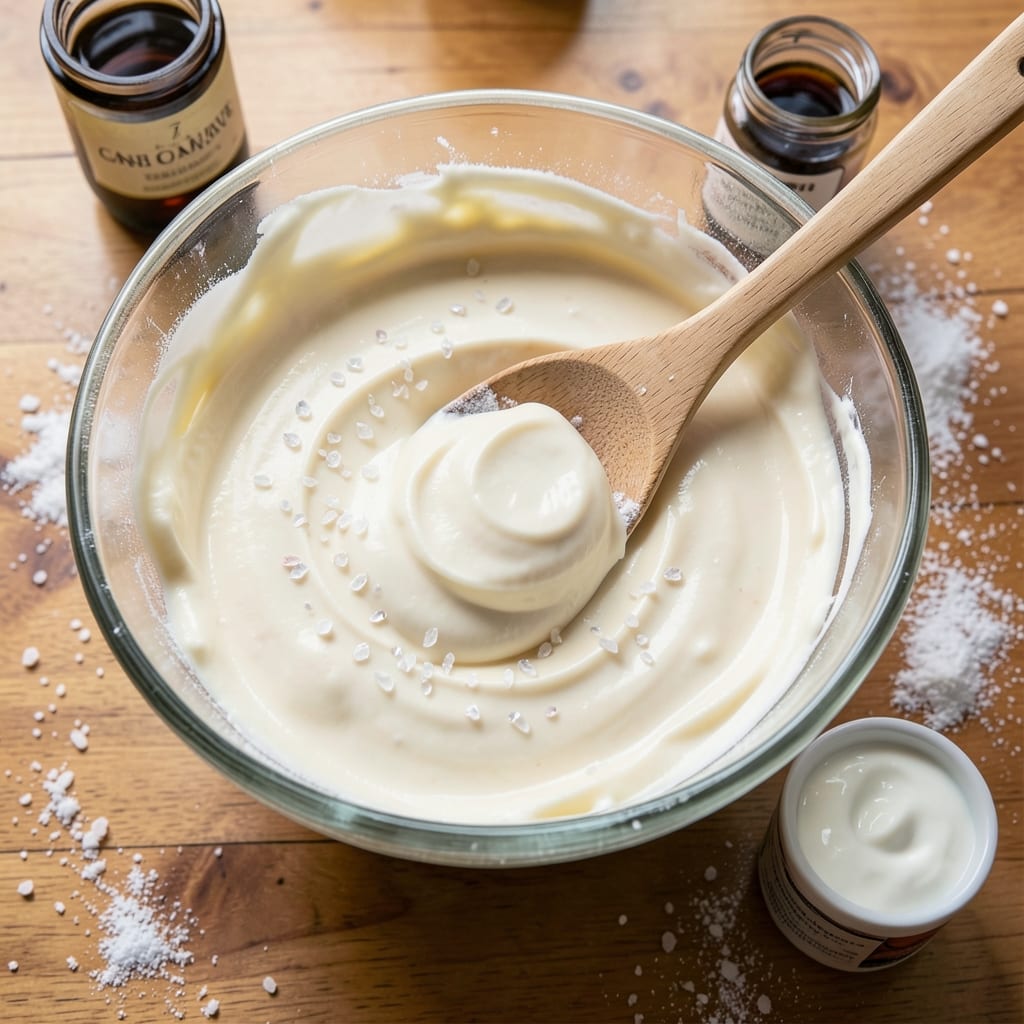
This 7-minute cake frosting recipe delivers velvety smoothness without the hours of waiting—perfect for last-minute celebrations or when you crave restaurant-quality frosting at home. The secret lies in a simple buttercream base that whips up in minutes, requiring just three core ingredients and a stand mixer (or strong arm). I’ve perfected this version over years of baking, ensuring it’s stable enough for piping but light enough to melt in your mouth.
The magic happens with room-temperature butter and powdered sugar, which blend effortlessly into a creamy, pipeable frosting in just seven minutes. No need for fancy techniques—just beat, scrape, and flavor. Whether you’re covering a sheet cake, filling cupcakes, or adding swirls to cookies, this frosting stays smooth and holds its shape, even in warm kitchens. The best part? It’s customizable—vanilla, chocolate, or citrus extracts can transform it in seconds.
What you’ll end up with is a fluffy, airy frosting that’s rich enough to satisfy chocolate cravings but light enough to complement delicate desserts. The texture is silky, not greasy, and it spreads beautifully without cracking. This is the kind of frosting that makes even the simplest cake feel like a showstopper—no shortcuts, just foolproof results.
Ready in less time than it takes to bake a cake, this frosting is ideal for birthdays, holidays, or whenever you need a quick, elegant finish. Let’s get started—your desserts are about to get an upgrade.
Ingredients for 7 minute cake frosting
Three core ingredients plus a little patience—this frosting transforms in minutes.
| Ingredient | Amount | Notes |
|---|---|---|
| Unsalted Butter 🧈 | 1 cup | Room-temperature for best results |
| Powdered Sugar 🍚 | 3 cups | Sifted for smooth texture |
| Vanilla Extract 🌸 | 1 tbsp | Pure vanilla preferred |
| Heavy Cream 🥛 | ½ cup | Cold for stability |
| Salt 🧂 | ¼ tsp | Fine sea salt preferred |
The butter is non-negotiable here. Room-temperature butter (not melted!) is the secret to that silky, pipeable texture. Crisco or European-style butter works even better if you want extra stability. I always grab Plugrá or Land O’Lakes from the store—they hold their shape beautifully. For the powdered sugar, Domino or C&H are reliable brands, but sift it first to avoid lumps. The vanilla? Pure Madagascar bourbon vanilla takes this to the next level, but imitation works in a pinch.
No heavy cream? Whipped coconut cream (chilled overnight) works surprisingly well, though the texture will be slightly lighter. Short on vanilla? Almond extract at half the amount adds depth, or a pinch of citrus zest for brightness. The salt might seem negligible, but it balances sweetness—Diamond Crystal dissolves perfectly. For extra richness, add 1 tbsp milk powder to the sugar before sifting. And if you're piping, a pastry bag with a star tip makes all the difference.
This frosting stays fresh for 3 days in the fridge, covered tightly. For longer storage, freeze portions in 1-tbsp dollops—thaw at room temp before using. I always make extra because it disappears fast. If it starts to harden, microwave for 10 seconds to soften. The key? Don’t overbeat—just until smooth and fluffy. That’s the magic of seven minutes.
Why You'll Love This Recipe
- No Mixer Needed: I swear by this when my stand mixer’s on strike—just soften butter, beat with a fork, then add cream and sugar. The texture comes together faster than I can say "birthday cake," and honestly? It’s foolproof.
- Velvet Smooth Magic: That heavy cream and butter combo? It’s the secret to frosting so luscious it’ll make you pause mid-spread. The vanilla cuts through the sweetness just enough—like a hug for your taste buds.
- Birthday to Bake Sale: Slather it on cupcakes, drizzle over sheet cake, or even swirl into coffee cake batter. I’ve used it for everything from last-minute birthday treats to my kid’s school fundraiser—it’s my go-to for any occasion.
- Zero Waste, All Win: A little goes a long way, and what’s left? Stash it in the fridge for up to a week. Between us, I’ve saved money by using half the butter and sugar I’d normally buy for separate frostings—plus, it’s cheaper than store-bought.
Step-by-step instructions for 7-Minute cake frosting
This velvety frosting comes together faster than you can slice a cake—just five simple steps.
Beat the Butter Until Light and Fluffy
In a large mixing bowl, combine the 1 cup unsalted butter at room temperature. Using a hand mixer or stand mixer fitted with the paddle attachment, beat on medium speed for 3-4 minutes. You'll know it's ready when the butter nearly doubles in volume and becomes pale, almost like whipped cream.
This step is crucial—it incorporates air that creates that signature light, airy texture. If your butter is still cold, let it sit at room temperature for 10-15 minutes before starting. Cold butter won't incorporate properly, leading to a dense frosting.
Gradually Add Powdered Sugar
With the mixer running on low speed, begin adding the 3 cups powdered sugar in small batches. This gradual approach prevents sugar from flying everywhere and ensures a smooth, lump-free frosting. After each addition, mix until fully incorporated before adding more.
I like to sift the powdered sugar first for an even smoother texture, but if you don't have a sifter, simply whisk it in the bowl before adding. The sugar should dissolve completely into the butter, creating a thick but spreadable consistency. If it feels too dry, add 1-2 teaspoons of milk (though our recipe doesn't call for it).
Incorporate Vanilla and Heavy Cream
Once the sugar is fully combined, add the 1 tablespoon vanilla extract and 0.5 cup cold heavy cream. Mix on medium speed for 1-2 minutes until the cream is fully incorporated and the frosting becomes smooth and glossy. The cold cream helps stabilize the mixture, preventing it from becoming too soft.
This is where the magic happens—the vanilla adds depth, while the cream gives that perfect balance between richness and lightness. If your frosting looks too thick, add 1 teaspoon more heavy cream to reach a smooth, pipeable consistency. But don't rush this step; proper mixing ensures no lumps remain.
Add Salt for Balance and Final Mix
Sprinkle in the 0.25 teaspoon salt and mix on low speed for 30 seconds until evenly distributed. The salt might seem like a small amount, but it enhances the flavors of the butter and vanilla, giving the frosting a well-rounded taste.
Give the frosting one final taste—adjust the sweetness or salt if needed. At this point, it should be smooth, glossy, and ready to use. If you're prepping ahead, cover the bowl with plastic wrap and refrigerate for up to 3 days, or freeze for 2 months. Just let it sit at room temperature for 10 minutes before using to soften slightly.
Test and Apply to Cake
For a quick test, spread a small amount on a plate and let it sit for 2 minutes. It should hold its shape without sliding off but still be soft enough to spread easily. If it's too firm, let it sit at room temperature for 5 minutes to soften.
Use a spatula to spread the frosting evenly over your cake, or pipe it for decorative borders. This frosting works beautifully on sponges, layer cakes, or even cupcakes. For extra shine, brush the top with a tiny bit of heavy cream after applying—it dries to a gorgeous, glossy finish. Enjoy your perfectly frosted cake in just 7 minutes!
Pro Tips For Making 7 Minute Cake Frosting
- SOFTEN THE BUTTER FIRST: I learned this the hard way—room-temperature butter is your best friend here. Cut the butter into small cubes and let it sit for 20-30 minutes before mixing, or even microwave it in 10-second bursts until it’s pliable but not melted. This ensures it blends smoothly with the powdered sugar instead of clumping like a sad, greasy mess.
- WEIGH THE POWDERED SUGAR: Skip the scooping and measuring cups—powdered sugar packs differently, and you’ll end up with a frosting that’s either grainy or too runny. Use a kitchen scale for precision (about 3 cups = 360g for most recipes), and sift it first to avoid lumps. Trust me, your frosting will thank you.
- ADD CREAM SLOWLY: Dumping all the heavy cream at once is how you end up with a watery, soupy disaster. Start with half the amount, mix until smooth, then add the rest one tablespoon at a time until you hit the right consistency. You want it thick enough to pipe but still spreadable—not like glue or like wet sand.
- SALT THE CREAM: This isn’t just about taste—it balances the sweetness and prevents the frosting from tasting flat. Add a pinch of salt (about 1/8 teaspoon) directly to the heavy cream before incorporating it into the butter-sugar mix. It’s a tiny detail, but it makes a real difference, especially if you’re using high-quality vanilla or a less-sweet cake.
Serving suggestions for this recipe
Cake Decorating Ideas
For a classic look, pipe swirls around the edges of your cake using a Wilton 1M tip—this creates elegant, professional borders. I like to start at the top and work my way down in smooth, even strokes. For cupcakes, use a star tip to create rosettes or basketweave patterns. A quick trick? Chill your piping bag for 10 minutes before decorating to prevent the frosting from melting too fast. 🎂
Flavor Variations
Swap the vanilla for 1 tbsp chocolate extract to make a rich chocolate frosting—add 2 tbsp cocoa powder to the sugar for extra depth. For a citrus twist, replace the vanilla with 1 tsp lemon or orange zest plus ½ tsp extract. I also love adding ½ tsp almond extract for a marzipan-like flavor that pairs perfectly with fruit cakes. Keep the heavy cream cold to maintain stability.
Garnish Suggestions
Fresh berries like raspberries or blackberries add a pop of color and acidity to cut through the sweetness. For a festive touch, sprinkle edible gold leaf or crushed pistachios on top. If you're decorating a carrot cake, cream cheese glaze drizzles create a stunning contrast. Always add garnishes right before serving so they stay fresh and vibrant. 🍓
Serving Temperature Tips
This frosting is best served at room temperature—it softens beautifully and becomes ultra-smooth. If your cake is chilled, let it sit at room temperature for 15-20 minutes before frosting to prevent the butter from hardening. For warm weather, store the frosted cake in the fridge for up to 2 hours before serving, then bring it to room temperature before cutting. This keeps the texture perfect.
Make-Ahead Decorating
Prepare your frosting up to 2 days ahead and store it in an airtight container in the fridge. For decorated cakes, cover loosely with plastic wrap to prevent condensation. If you're piping intricate designs, do it 1 day before serving—this gives the frosting time to set slightly for cleaner lines. Re-pipe any melted edges with a small amount of frosting warmed slightly in the microwave. 💫
Dietary Adaptations
For a lighter version, replace ½ cup butter with ½ cup Greek yogurt—it keeps the frosting stable while reducing fat. A vegan option swaps butter for vegan butter or coconut oil, and heavy cream for coconut cream. Always adjust sweetness to taste, as dairy-free alternatives can vary. These tweaks maintain the same creamy texture while fitting dietary needs. 🌱
Nutrition facts
Frequently asked questions
Can I make this frosting without a mixer?
Yes! Use a sturdy whisk and strong arm. Cream the 1 cup butter by hand for 5-7 minutes until pale and fluffy, then gradually whisk in the 3 cups powdered sugar in small batches. The heavy cream can be whipped separately with a fork and folded in at the end. Just be patient—it takes more elbow grease, but the texture will still be smooth and creamy!
Why did my frosting turn grainy?
Graininess usually means the powdered sugar wasn't fully incorporated or the butter was too cold. Sift the sugar first and ensure your butter is room temperature (not melted). If it happens, whisk in 1-2 teaspoons of milk or heavy cream to dissolve any sugar crystals. For future batches, add the sugar more slowly while mixing on low speed.
How do I adjust the consistency for piping?
For thicker frosting (better for piping), chill the mixture for 15-20 minutes before using. If it's too soft, add 1 tablespoon more powdered sugar and mix briefly. For a smoother spread, let it sit at room temperature for 5 minutes to soften slightly. The ideal consistency should hold its shape when piped but still be spreadable with a spatula.
Can I use this frosting for cupcakes?
This frosting works perfectly for cupcakes. Fill a piping bag with a star tip and create rosettes or swirls on top. For extra stability, chill the cupcakes for 10 minutes in the freezer before decorating. The frosting will hold its shape beautifully and add that professional finish. Just avoid piping in very warm kitchens—it may soften too quickly.
What if I don't have heavy cream?
No problem! Substitute with ½ cup whole milk or even ½ cup cold water—though the texture will be slightly lighter. For best results, use cold coconut cream (chilled overnight) for a dairy-free option. The key is keeping the liquid cold to maintain stability. If using milk or water, you may need to add 1 extra tablespoon of powdered sugar to compensate for the liquid.